
Last updated November 2, 2026
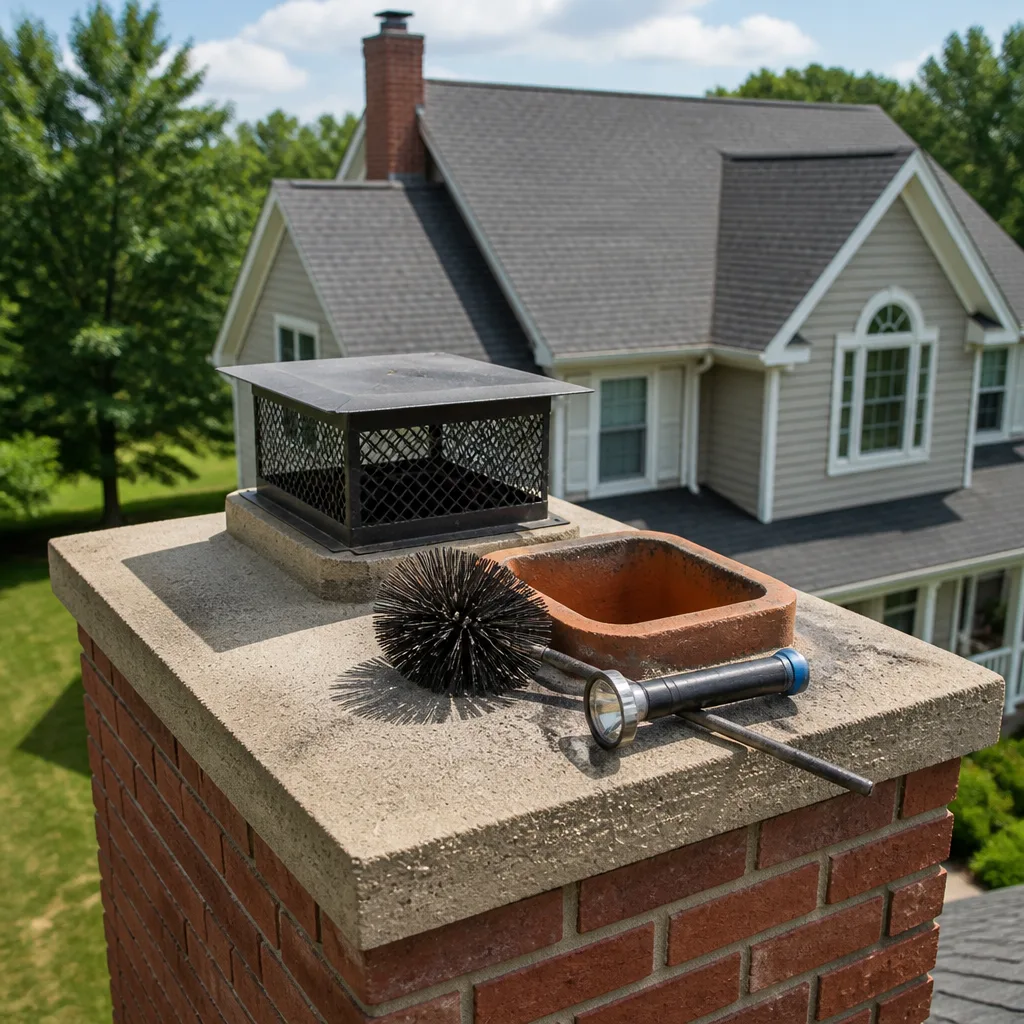 Sweep & inspection
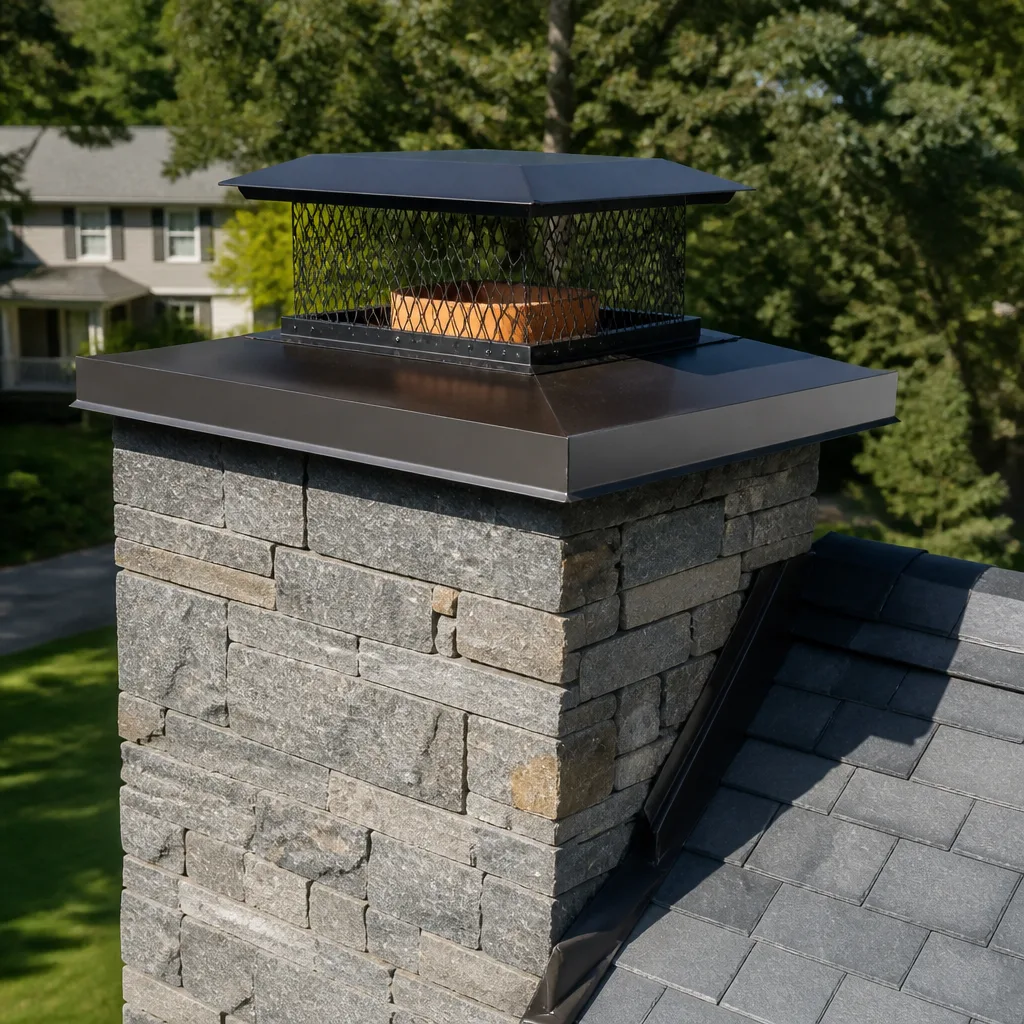 Caps & crowns
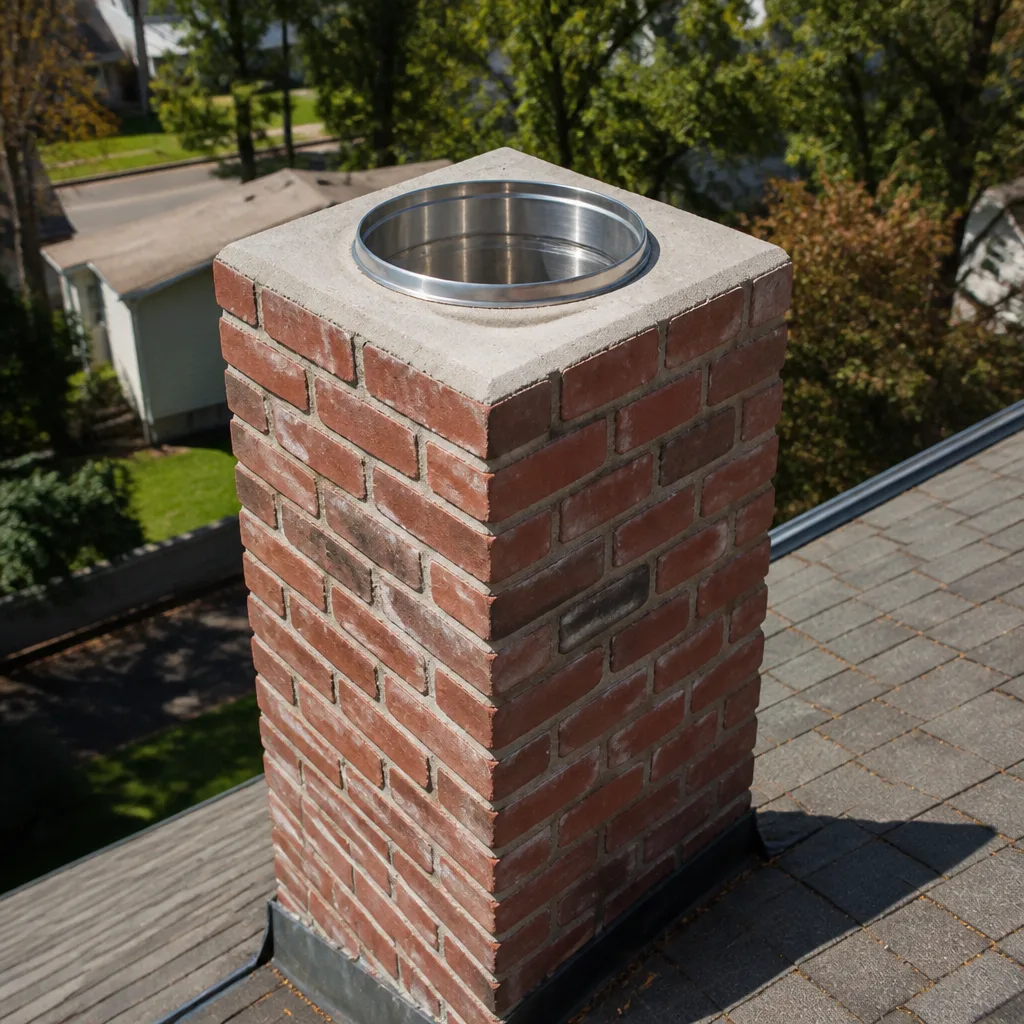 Flue relining
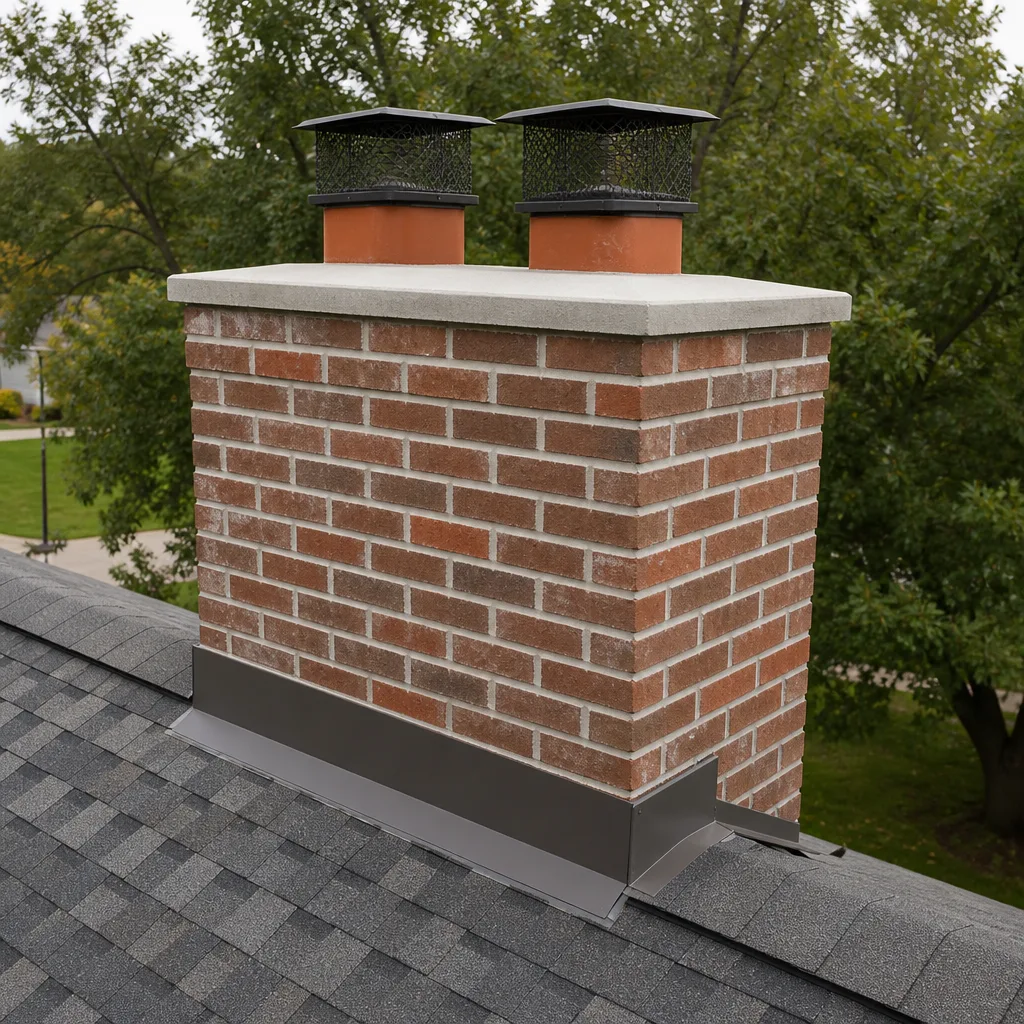 Masonry repair
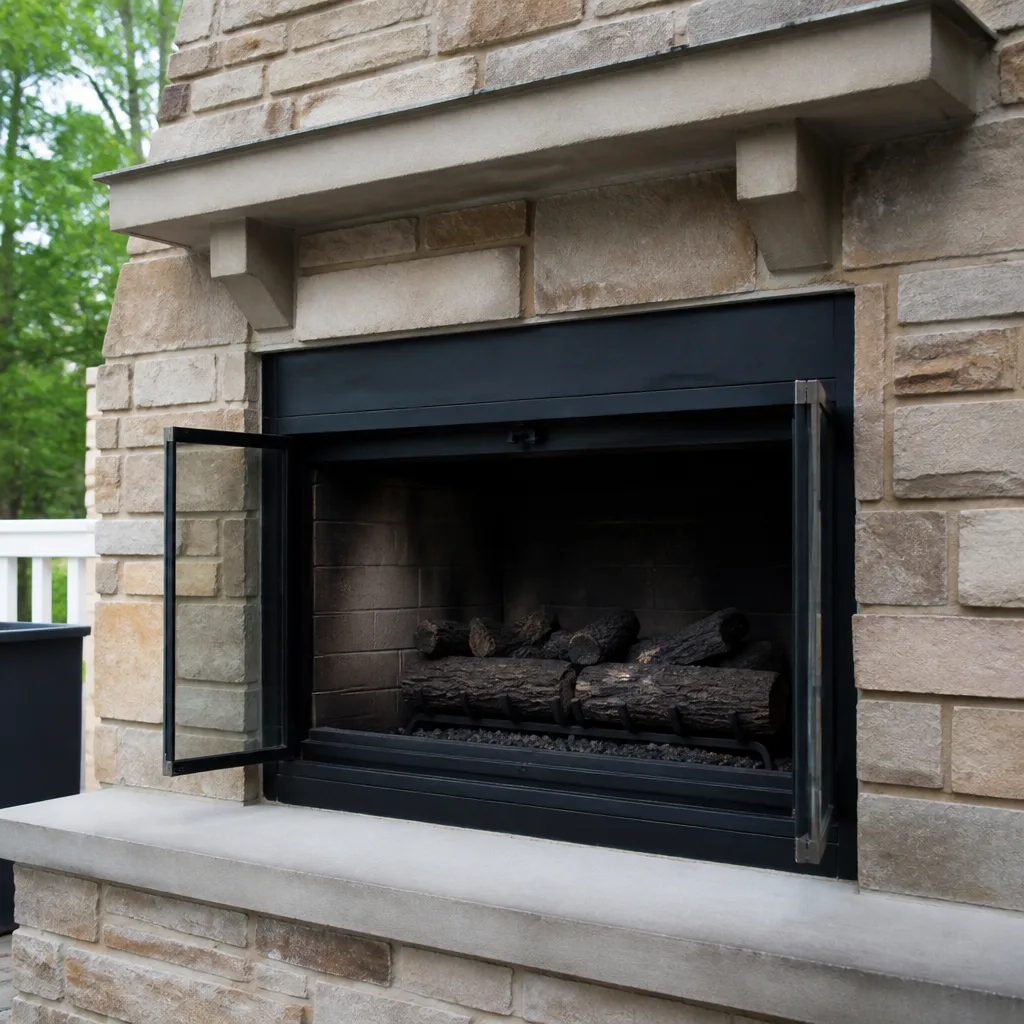 Gas fireplace service
Level 1 sweep and inspection to the NFPA 211 annual standard - flue, crown, cap, and flashing checked and photographed
Chimney sweep logs do not sweep chimneys. They loosen some creosote - which then falls where a brush and vacuum still have to collect it.
How to Hire a Chimney Cleaning Contractor in San Jose: A Step-by-Step Guide
A Yelp search for “chimney sweep San Jose” returns dozens of results, but the CSIA (Chimney Safety Institute of America) lists fewer than a handful of certified sweeps in the immediate area. That gap explains why so many “cleanings” skip the inspection, miss liner damage, and leave the homeowner with a false sense of safety. This guide gives you the exact questions, credentials, and red flags to verify before anyone gets on your roof, and you can find more guides & resources on our blog.
Styles & brands we work with
- Sweep & inspection
- Caps & crowns
- Flue relining
- Masonry repair
- Gas fireplace service
Quick Answer
To hire a chimney cleaning contractor in San Jose, verify CSIA certification on the CSIA public registry (not just a logo on a website), require a written inspection report that includes photos, ask specifically about flue liner evaluation and whether the technician can perform repairs using trade-grade brands like DuraFlex or HeatShield, and get an itemized quote before any work begins. A legitimate specialist will answer these questions directly; a generalist will deflect.
Table of Contents
- Why CSIA Certification Matters More Than a Logo
- Five Questions That Separate a Specialist From a Generalist
- Step-by-Step Hiring Process for San Jose Homeowners
- Red Flags in Quotes and Sales Tactics
- Why the Lowest Bid Is Structurally Misleading
- How to Evaluate a Contractor’s Material Supply Chain
- San Jose Climate and How It Affects Your Chimney
- Common Mistakes to Avoid
- When to Call a Professional
- Frequently Asked Questions
- The Bottom Line
Why CSIA Certification Matters More Than a Logo
CSIA certification is the industry’s only nationally recognized credential for chimney sweeps, and it’s not easy to get. A technician must pass a rigorous exam covering fire codes, clearances, construction methods, and inspection procedures. They must also complete continuing education credits to maintain the credential. When a sweep’s website displays a CSIA logo, that logo means something only if the technician’s name actually appears on the CSIA public registry.
Here’s what CSIA certification actually requires:
- Passing a comprehensive exam covering NFPA 211 standards, the code that governs chimney construction and maintenance.
- Ongoing education – certified sweeps must earn continuing education units to stay current with code changes and new materials.
- Adherence to inspection protocols that distinguish a sweep from a cleaning. A certified sweep is trained to look for liner cracks, clearance violations, and structural issues, not just to remove soot.
Verification is simple and takes about two minutes. Go to the CSIA website, open the “Find a Certified Professional” search tool, and enter the technician’s name. If the name doesn’t appear, that technician is not certified, no matter what their van says. In San Jose, where the ratio of non-certified to certified sweeps is heavily skewed toward the former, this single verification step eliminates most of the risk. The Chimney Sweep Blossom Valley home page explains how we approach the same standard.
Five Questions That Separate a Specialist From a Generalist
You don’t need to know the technical details of chimney construction to evaluate a contractor. You need to listen for how they answer five specific questions. A specialist answers immediately and with specifics. A generalist hesitates, deflects, or gives a vague answer that doesn’t actually answer the question.
- “What level of inspection will you perform, and what does it include?” A specialist will explain Level 1 (visible inspection of accessible areas, done during routine sweeps) versus Level 2 (video scan of the flue interior, required when the home is changing hands or after a chimney fire). A generalist will say “we check everything” without explaining what that means.
- “Do you repair flue liners with HeatShield, or do you only replace them?” HeatShield is a ceramic resurfacing system that repairs cracked clay liners without a full rebuild. A specialist who carries HeatShield can offer you the lower-cost repair option. A sweep-only service will tell you a full relining is your only choice, which is often not true.
- “Do you stock DuraFlex liner systems for same-day relining work?” DuraFlex is the trade-standard stainless steel liner brand. Contractors who don’t stock it have to order parts, which means a second visit and a longer process. A specialist can tell you in one sentence whether they have the materials in their vehicle or warehouse.
- “Can you perform a Level 2 inspection with a video camera the same day?” This is a capability question. If the contractor doesn’t own video inspection equipment, they will either skip the flue interior entirely or refer you to another company. Either way, you’re not getting the full picture.
- “Do you also clean dryer vents?” This sounds unrelated, but it’s actually one of the strongest signals of a systems thinker. A chimney specialist who also handles dryer exhaust understands household combustion and venting as an interconnected system. A generalist who only sweeps chimneys often misses the broader fire-risk picture. We handle both because a clogged dryer vent is as much of a fire hazard as a blocked chimney flue.
Our Chimney Sweep in Blossom Valley page covers these capabilities in more detail, but the questions above work with any contractor you’re evaluating.
Step-by-Step Hiring Process for San Jose Homeowners
This process works whether you’re hiring a chimney sweep for the first time or replacing a contractor who let you down. Follow it in order and you’ll eliminate most of the risk before anyone climbs onto your roof.
Step 1: Verify Certification Before You Call
Start with the CSIA registry. Type in the company name and the technician’s name, if you have it. If neither appears, move on. In San Jose, there are dozens of listings that use the words “certified” or “licensed” without any verifiable credential behind them. This step takes two minutes and saves you from a potentially dangerous hiring mistake.
Step 2: Request a Written, Photo-Documented Inspection Report
A professional sweep documents what they find. Ask before you book: “Will you provide a written report with photos of the flue interior?” The answer reveals everything. A specialist with video inspection equipment will say yes without hesitation. A generalist will make excuses – “we don’t do that,” “it’s not necessary for a basic cleaning,” or “we’ll let you know verbally if we see anything.”
Without camera evidence, you’re trusting a verbal claim about the condition of a system you can’t see. That’s not a professional relationship; that’s a leap of faith. In our experience, flue liner damage is invisible from the exterior. You can’t see a crack in a clay liner from the fireplace opening, and you certainly can’t assess it from the roof.
Step 3: Ask About Materials Before Discussing Price
Here’s a script you can use: “Before we talk about price, can you tell me what brands you carry for liner repair and caps?” Then listen. A specialist answers with specific brand names – Copperfield caps, Gelco flashing components, Olympia Chimney products for crown repair. A generalist says “uh, whatever the supply house has” or “we use quality materials” without naming one.
This matters because it tells you whether the contractor can repair same-day or will need to order parts. A professional who stocks Gelco flashing, Copperfield caps, and HeatShield repair materials can address most issues in a single visit. A contractor who doesn’t stock these brands is telling you, without saying it directly, that any repair beyond a basic brush cleaning will require a second visit and a second trip charge.
Step 4: Get an Itemized Quote Before Work Begins
“Sweep and inspect: $X. Liner repair with HeatShield: $X if needed. New Copperfield cap with installation: $X.” That’s an itemized quote. “Full service: $450” is not. The itemized quote tells you what’s included, what’s optional, and what might be added based on findings. It also gives you a document to compare against if the technician tries to add charges after the work is done.
Step 5: Book the Service With Clear Expectations
Confirm the date, the scope, the price, and the deliverables (written report, photos). Ask whether the technician will walk you through the findings in person. A professional sweep wants you to understand what they found. A hit-and-run cleaner wants to hand you an invoice and leave.
Red Flags in Quotes and Sales Tactics
Most bad chimney experiences happen because homeowners don’t know what a legitimate quote looks like. Here are the patterns to watch for:
- The un-itemized flat rate: A quote that says “chimney cleaning: $200” without specifying what’s included, what’s inspected, and what might trigger additional charges is a red flag. Itemization is the norm for professionals.
- The quote that doesn’t ask about your home: A sweep who quotes a price without asking about your flue type, fireplace type, home age, or last cleaning date is pricing by volume, not by assessment. Every chimney is different.
- The pressure close on liner repairs: “Your liner is cracked – you need to replace it today or you’re risking a house fire.” This is the most common scare tactic in the industry. A legitimate contractor shows you the camera footage, explains what they’re seeing, and tells you whether the repair is urgent or can wait. If they won’t show you evidence, walk away.
- The quote that can’t explain why: “You need a new crown” should be followed by “Here’s the photo of the crack in your existing crown. Here’s what water intrusion through that crack will do over the next five years.” A recommendation without evidence is an opinion with an invoice attached.
- The technician who rushes: A proper chimney sweep and Level 1 inspection for a typical San Jose home takes 60 to 90 minutes. If the technician is in and out in 25 minutes, the inspection was skipped or rushed, and you just paid for a brushing, not an evaluation.
Why the Lowest Bid Is Structurally Misleading
The cheapest chimney sweep in San Jose is often the most expensive one by the time the project is done. Here’s why the structure of the industry makes “cheap” misleading.
A sweep holding a brush and a shop vac can clean a chimney for about $40 in overhead. A professional carrying video inspection equipment, a full set of liners and caps, HeatShield repair materials, and trade-brand replacement parts for Gelco, Olympia Chimney, and Copperfield has significantly higher overhead. The difference is not markup; it’s capability.
When a low-bid sweep finds a cracked liner, they refer you to another contractor. When a low-bid sweep finds a damaged crown, they tell you to “keep an eye on it.” The cheap quote didn’t eliminate the problem; it deferred it. You’ll pay for the repair eventually, plus the cost of the second visit, plus whatever damage accumulated while the problem was deferred.
The high-pressure upsell works the same way in reverse. A sweep who’s losing money on a $59 promotional cleaning needs to make up that loss somewhere. The most profitable upsell in the industry is the “your chimney is unsafe” liner replacement pitch. The legitimate version of that conversation includes camera evidence and a written report. The manufactured version includes fear and urgency without documentation. The difference is verifiable. Ask to see the footage.
How to Evaluate a Contractor’s Material Supply Chain
This is the hidden differentiator most homeowners never think about, and it matters more in San Jose than in most markets. Here’s why: the majority of chimney contractors in the Bay Area are small operations with no warehouse and no inventory. When they encounter a repair need, they place an order, wait for delivery, and schedule a second visit.
A specialist who stocks trade-grade materials can handle most repairs on the spot. That means:
- DuraFlex stainless steel liners for relining work, cut and fitted to your flue dimensions on the day of service.
- HeatShield resurfacing materials for repairing cracked clay liners without a full rebuild.
- Copperfield caps and chase covers for replacing rusted or animal-damaged terminations.
- Gelco flashing and termination components for water-tight roof penetration work.
- Olympia Chimney products for crown repair and waterproofing.
Ask the contractor a simple question: “If you find a problem during the inspection, can you fix it the same day, or will I need a follow-up visit?” A professional who has invested in inventory will answer directly. A generalist will hedge. The answer tells you how the rest of the relationship will go.
The same logic applies to Dryer Vent Cleaning in Blossom Valley. A specialist who carries Famco venting components can address a damaged vent run immediately. A generalist will clean what’s there and leave a damaged run for another visit, another trip charge, and another day off work.
San Jose Climate and How It Affects Your Chimney
San Jose’s Mediterranean climate creates specific chimney conditions that homeowners in other regions don’t face. Understanding these helps you evaluate contractor recommendations more intelligently.
The damp winter problem: San Jose sees most of its rain between November and March. When a chimney crown develops hairline cracks, winter rains penetrate the masonry, and the freeze-thaw cycle (rare but real in San Jose’s colder winter snaps) expands those cracks. By spring, the damage is structural. A contractor who recommends crown sealing in the fall is not upselling; they’re responding to a real seasonal risk covered in our Seasonal Chimney Cleaning Care for San Jose: Year-Round Homeowner’s Guide. A contractor who doesn’t mention crowns at all during a fall inspection is missing the most important piece of San Jose chimney maintenance.
The wildlife issue: San Jose’s oak and eucalyptus canopies support large populations of squirrels and raccoons. Un-capped chimneys become nesting sites in early spring. A proper Copperfield cap with wildlife screening prevents this entirely. If your chimney doesn’t have a cap, or the existing cap has gaps, a professional should flag this immediately.
The creosote build-up pattern: San Jose homeowners who burn wood exclusively during our relatively short winter season often under-clean their chimneys. They assume that because they burn less than a cold-climate homeowner, their chimneys need less maintenance. The opposite is often true: infrequent burning produces cooler, smokier fires that deposit wet creosote at a faster rate. A professional sweep in San Jose will ask about burning habits and frequency before recommending an interval.
Our Chimney Repair in Blossom Valley service addresses the damage patterns common to San Jose homes, including water intrusion through crowns and caps that were installed by generalists using generic hardware-store parts.
Common Mistakes to Avoid
- Hiring based on Google Ads position. The top ad spot is purchased, not earned. A company that spends heavily on ads may do excellent work, but the ad position itself tells you nothing about their skill. Verify credentials independently.
- Skipping the CSIA registry check. The logo on the website means nothing until the technician’s name appears on the registry. This takes two minutes and is the single highest-leverage verification step available.
- Accepting a verbal-only inspection report. If you can’t see the photos, you haven’t been given an inspection. You’ve been given an opinion.
- Paying for a sweep without understanding what’s included. “Sweep” can mean brushing the flue, or brushing plus full inspection, cap check, crown check, and written documentation. Know which you’re paying for.
- Deferring a documented repair recommendation to save money now. Cracks don’t heal. A damaged liner or crown documented today will cost more to fix next year. The deferral isn’t savings; it’s a payment plan to a future contractor.
- Hiring a chimney sweep and a separate dryer vent cleaner without recognizing the connection. Both systems exhaust combustion byproducts or heat from your home. A specialist who handles both sees the full picture. Coordinating two contractors means two visits, two trip charges, and no one looking at the system holistically.
When to Call a Professional
Call a chimney professional if you see smoke backing up into the room, notice a strong odor coming from the fireplace even when it’s not in use, find flaking masonry or water stains on the ceiling near the chimney, hear animals in the flue, or have not had the system inspected in more than two years, as explained in our Chimney Cleaning Emergency Preparedness Guide for San Jose Homes. If you’re buying a home in San Jose, a Level 2 inspection should be part of your due diligence regardless of what the home inspector says. Most home inspectors are not certified chimney specialists. Chimney Sweep Blossom Valley offers free estimates in San Jose – call (833) 593-5179 to schedule.
Frequently Asked Questions
Chimney sweeping in San Jose typically costs $180 to $350 depending on flue type, accessibility, and whether the service includes a Level 1 inspection with documentation; see our Chimney Cleaning Cost Breakdown: The San Jose Homeowner’s Reference for 2026 for full details. The lowest-quoted prices in the area often exclude the inspection component or use the sweep as a loss leader for repair upselling. Call (833) 593-5179 for an exact quote – estimates are free.
The NFPA 211 standard says chimneys should be inspected at least once per year and swept when creosote accumulation reaches 1/8 inch, regardless of burn frequency. San Jose’s short burning season means many homeowners under-clean, and cooler, smokier fires can produce creosote faster than a hot, clean burn. If you burn wood more than twice per week during winter, annual sweeping is the right interval.
Not always. HeatShield resurfacing can repair cracked clay liners without a full replacement, saving significant cost. However, the repair is only viable if the damage is caught before clay sections begin to separate or shift. This is exactly why the video inspection matters: it tells you whether resurfacing is appropriate or whether the condition has advanced beyond repair. Call (833) 593-5179 to schedule an inspection with camera documentation.
A Level 2 inspection includes a video scan of the flue interior and is required by NFPA 211 when a property changes hands, after a chimney fire, or when the system has been altered. A Level 1 inspection is visual-only and is performed during routine sweeps. If a contractor cannot perform a Level 2 inspection, they cannot fully evaluate flue liner condition.
The quotes differ because the scopes differ. A $99 sweep with no inspection, no report, and no materials inventory is structurally different from a $300 sweep with video documentation, a written report, and the capability to repair same-day. Compare line items, not bottom lines.
Creosote accumulates faster than most homeowners expect, and at a certain thickness it becomes the fuel source for a chimney fire. Cracks in the liner worsen with each seasonal expansion and contraction cycle. Water intrusion through an unsealed crown damages masonry and framing over time. The cost of addressing these issues increases the longer they’re deferred. Call (833) 593-5179 for a free estimate before another burning season passes.
The Bottom Line
Hiring a chimney cleaning contractor in San Jose comes down to verification and evidence. Verify CSIA certification on the registry, not the website. Require a written report with camera photos. Ask about material brands – DuraFlex, HeatShield, Copperfield, Gelco, Olympia Chimney – and listen for specific answers. Compare itemized quotes, not bottom lines. A contractor who can answer the five questions in this guide, show you documented evidence, and repair the same day with trade-grade materials is a specialist. Everyone else is a brush with a van. Choose accordingly.
Written by the team at Chimney Sweep Blossom Valley, serving San Jose since 2014.
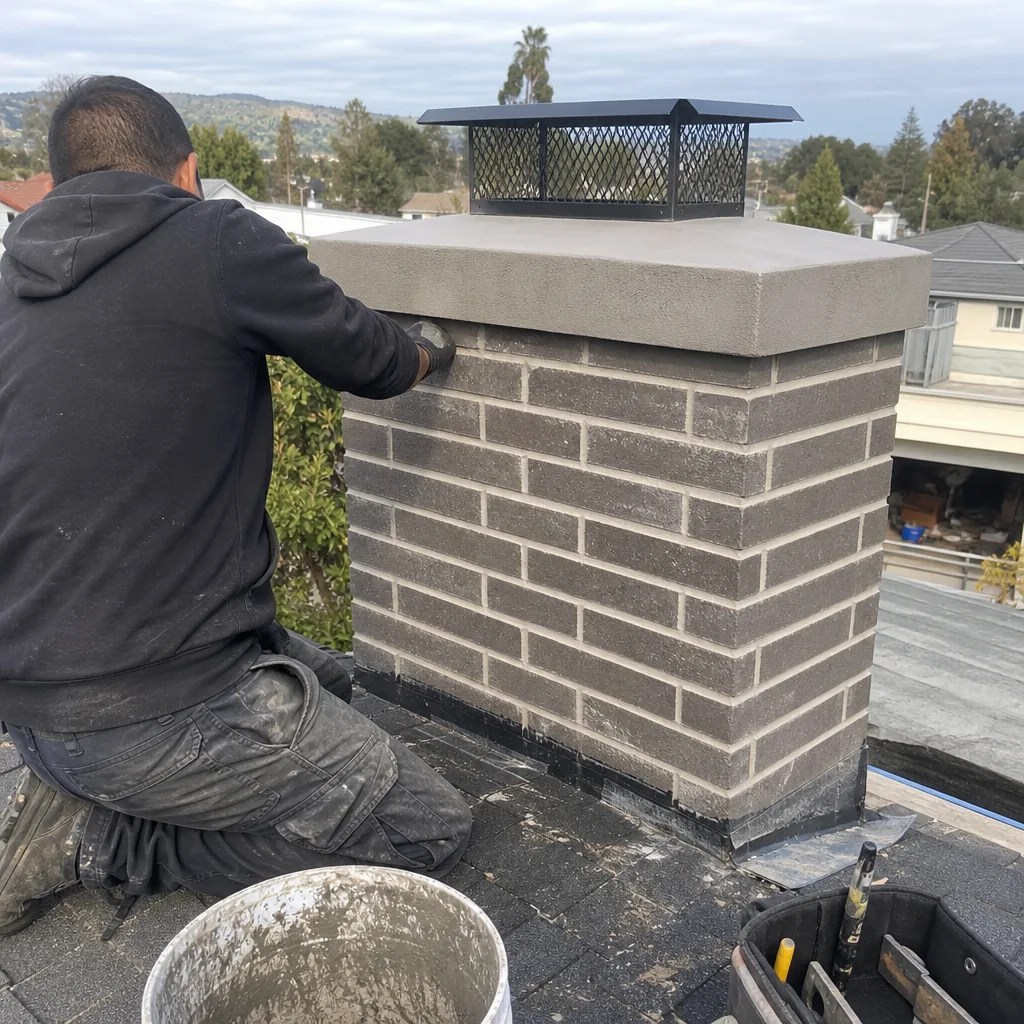
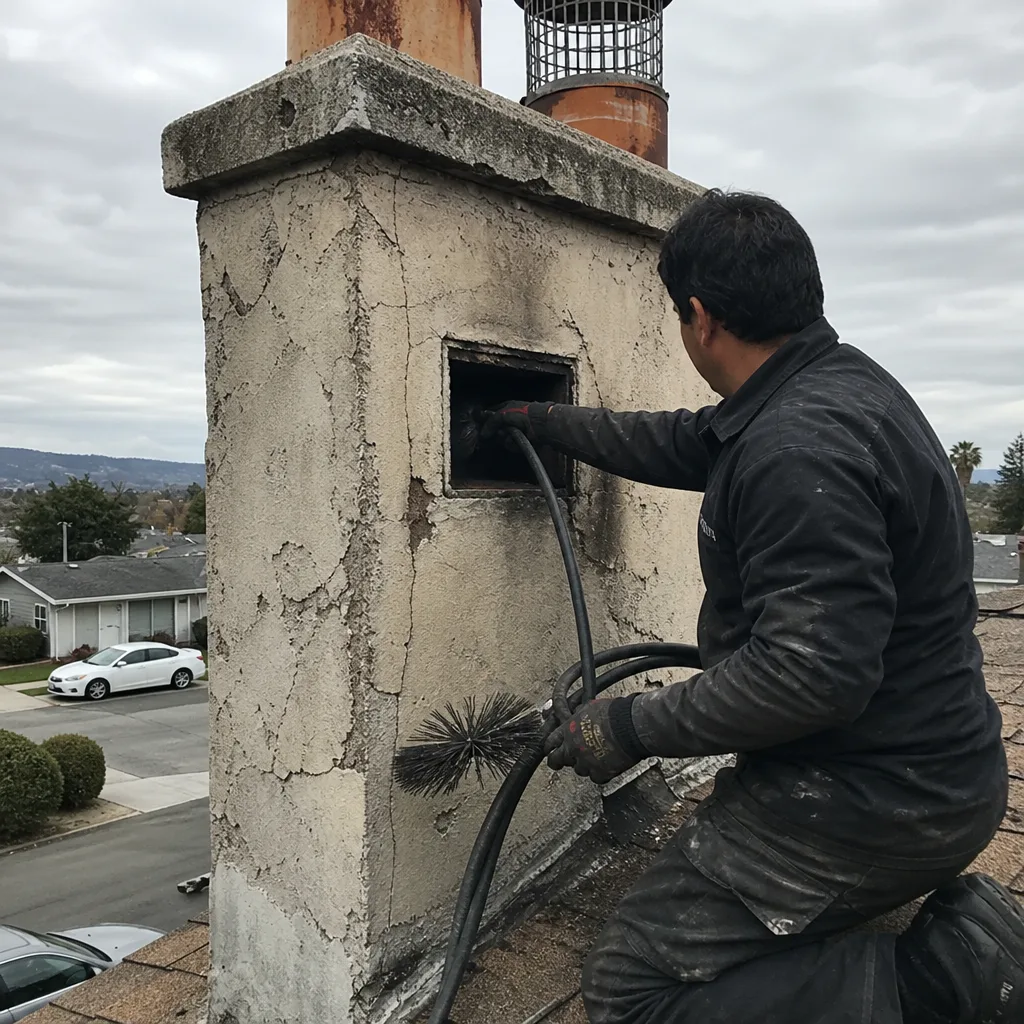
See the difference
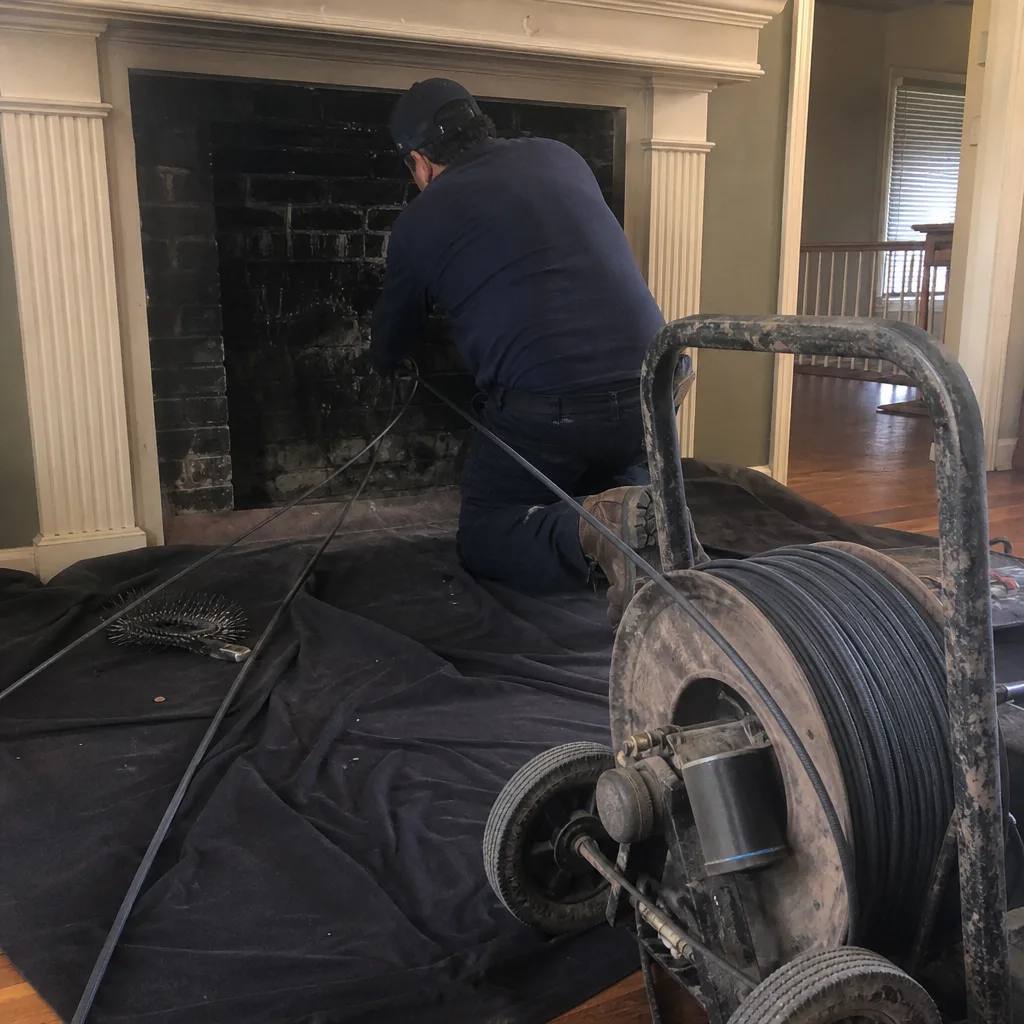 Before
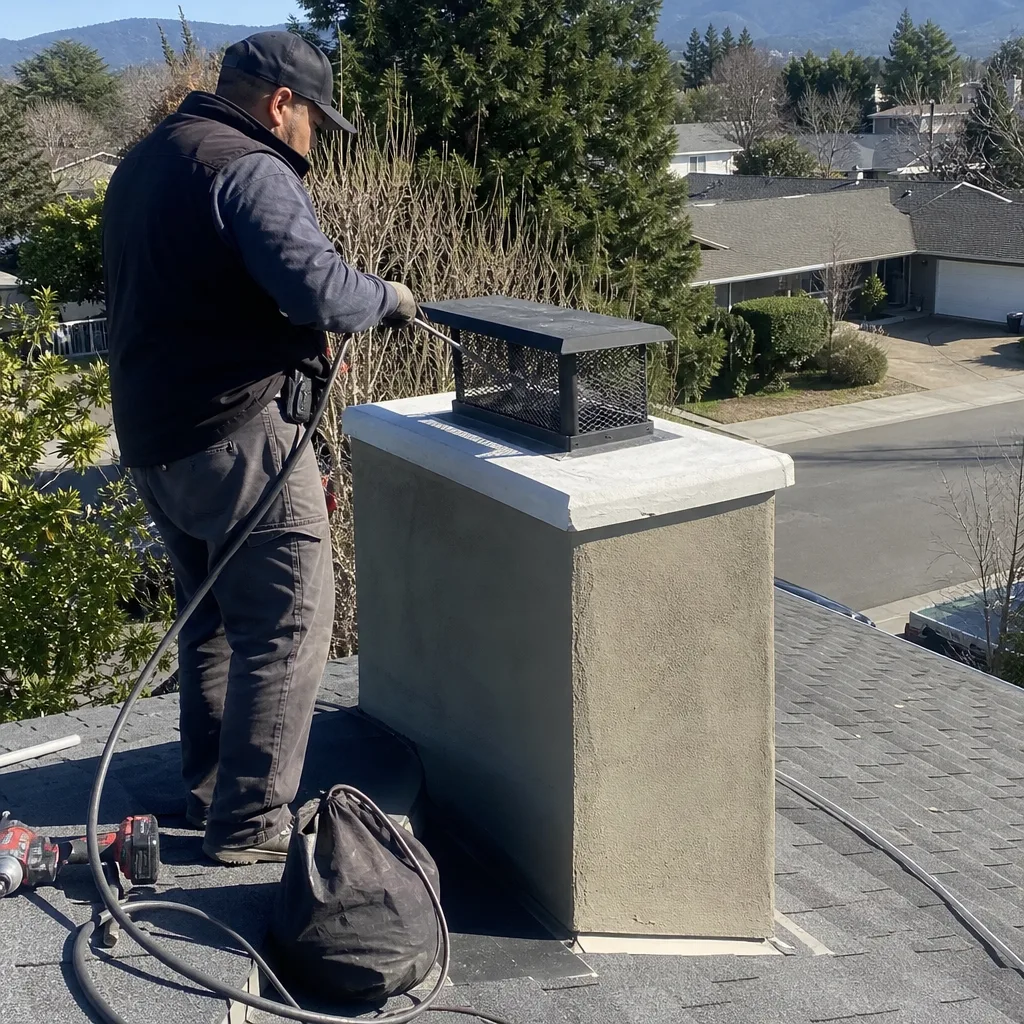 After
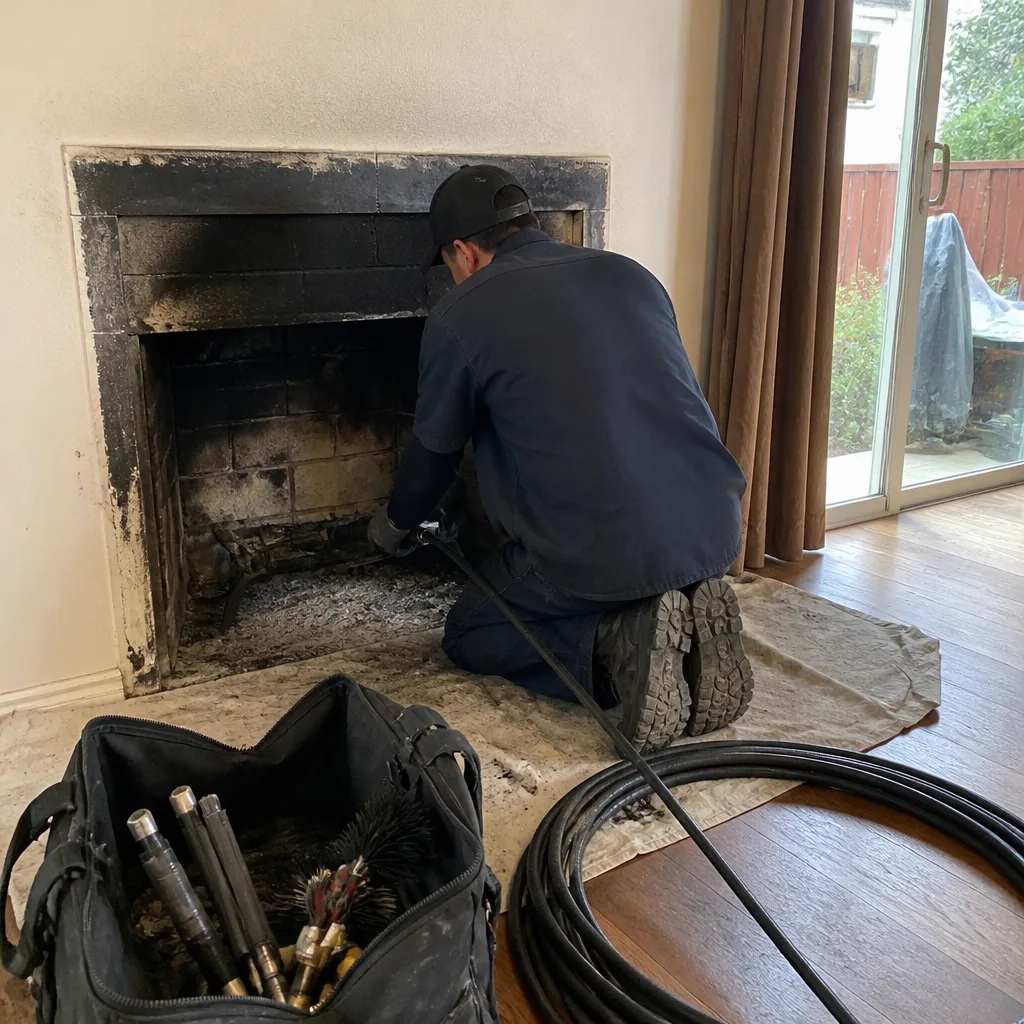 Before
 After
 Before
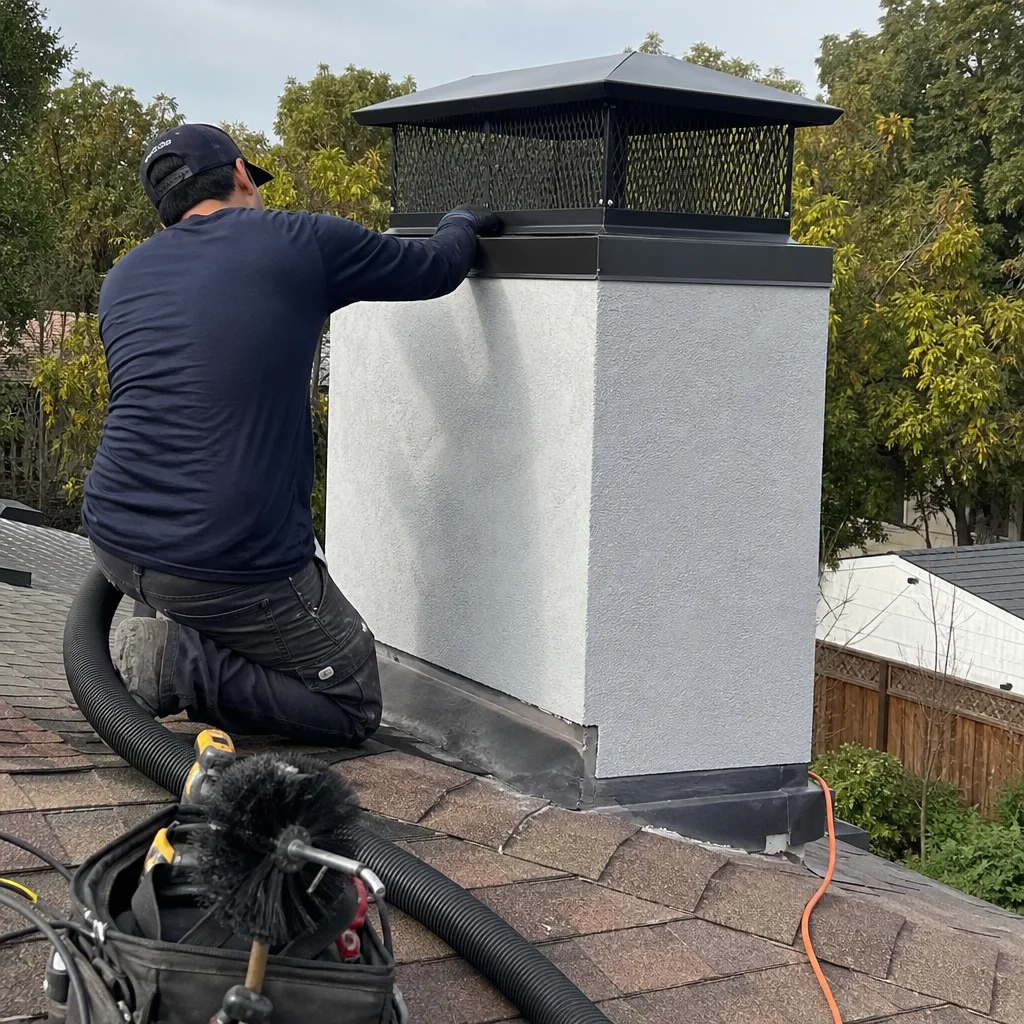 After