
Last updated November 2, 2026
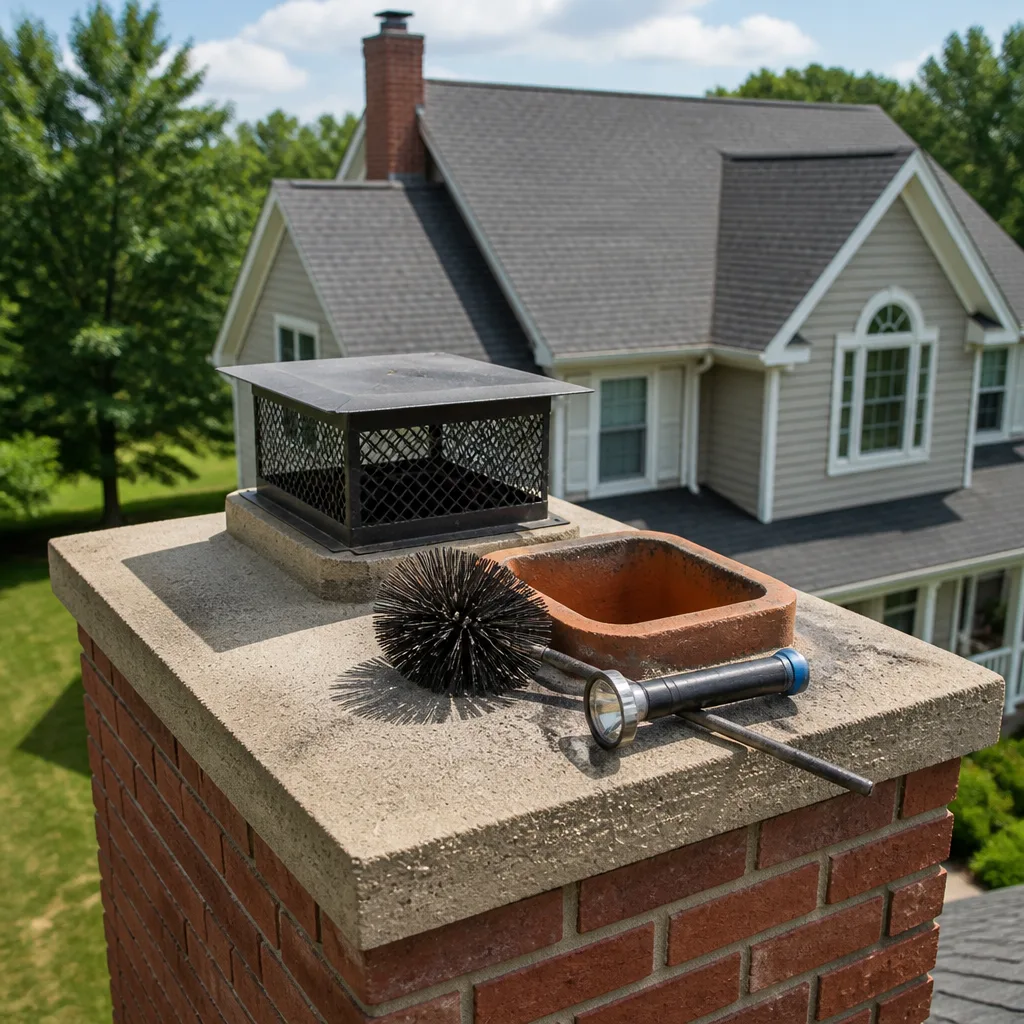 Sweep & inspection
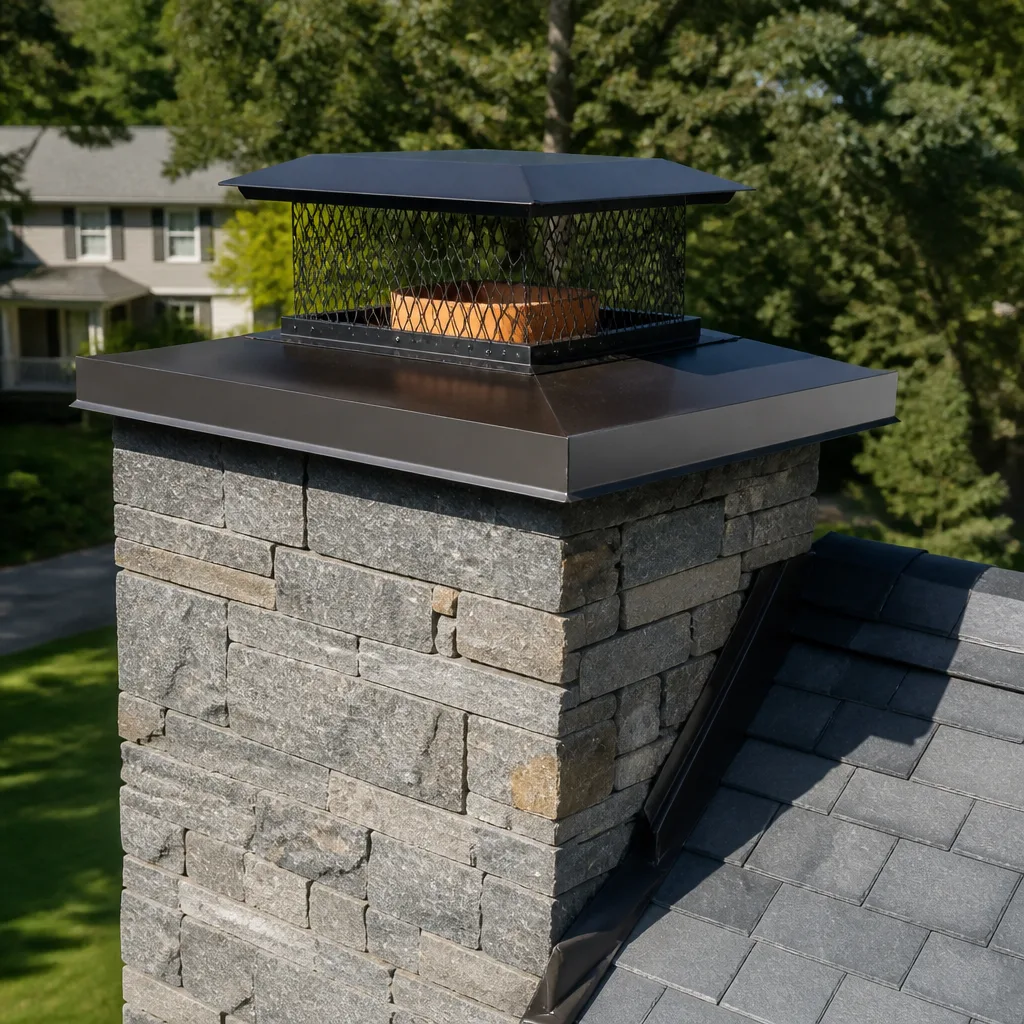 Caps & crowns
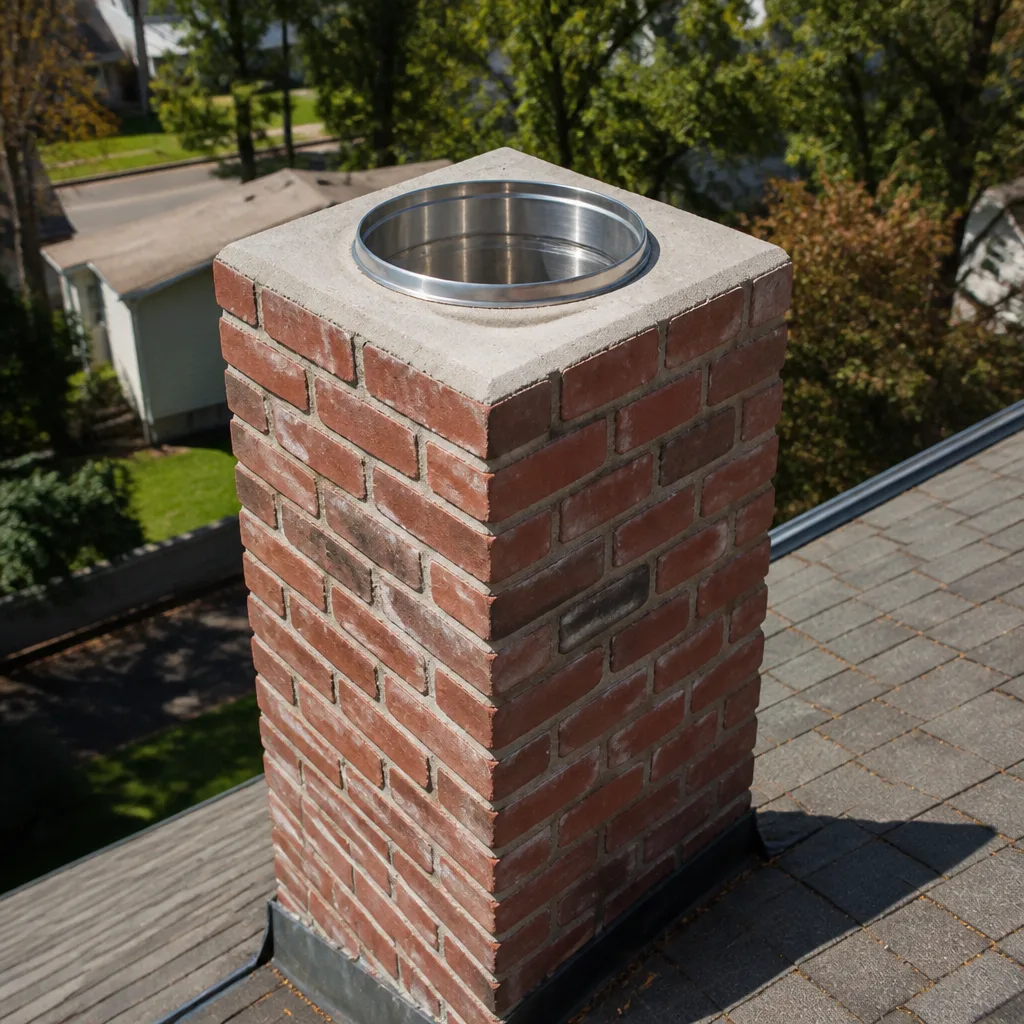 Flue relining
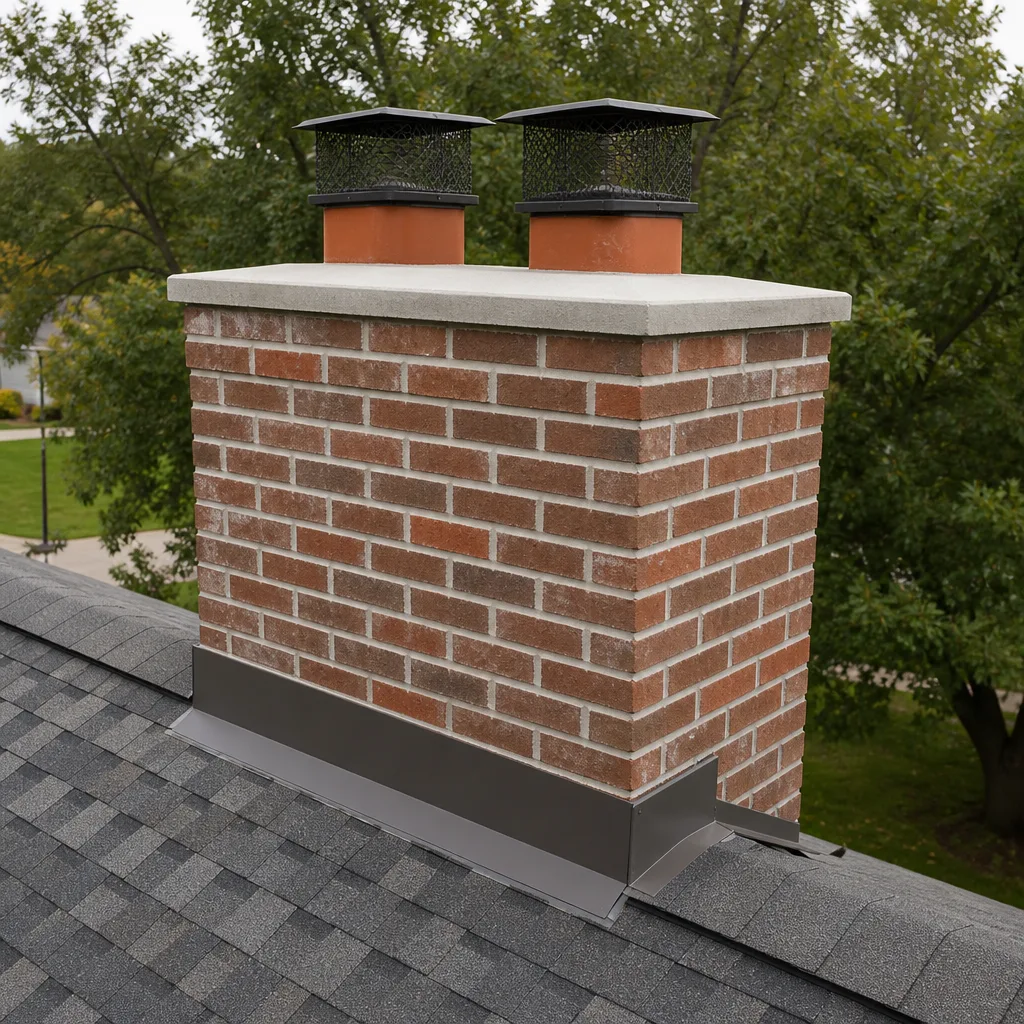 Masonry repair
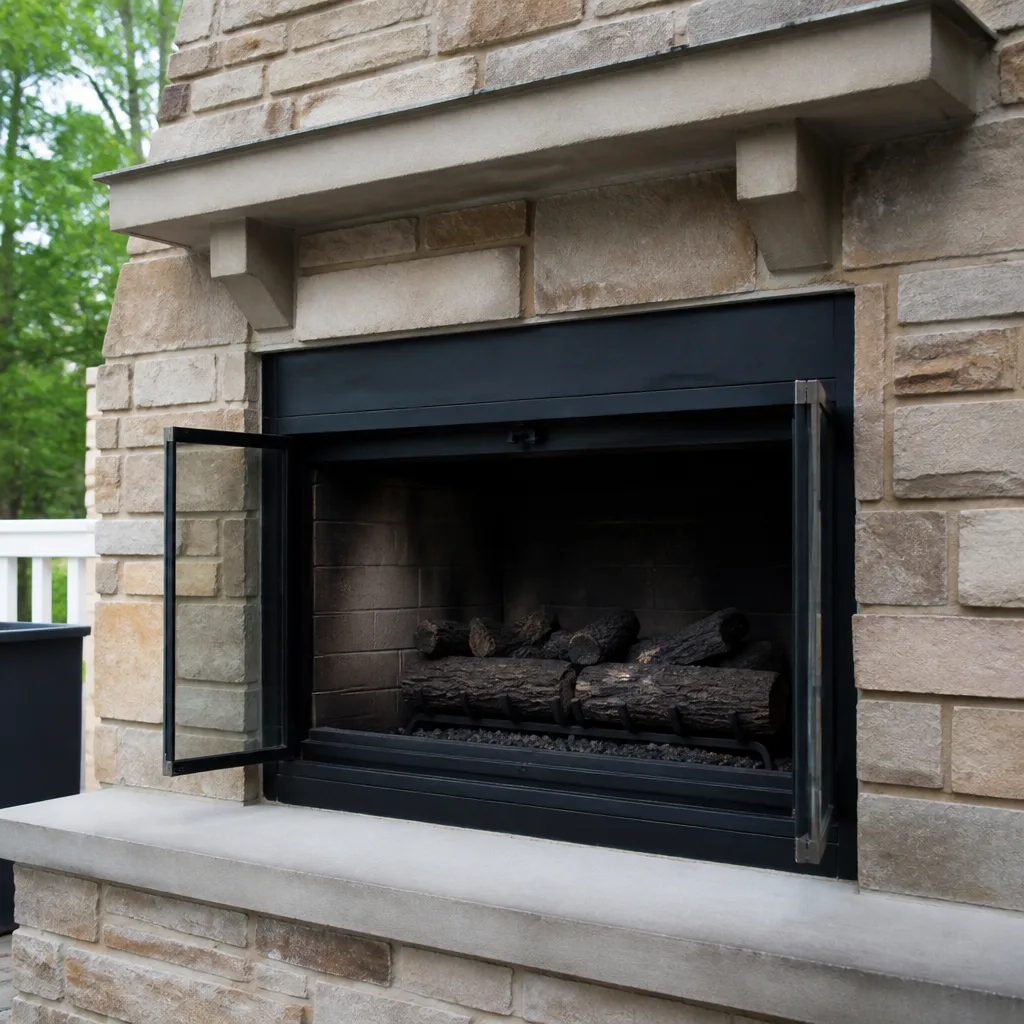 Gas fireplace service
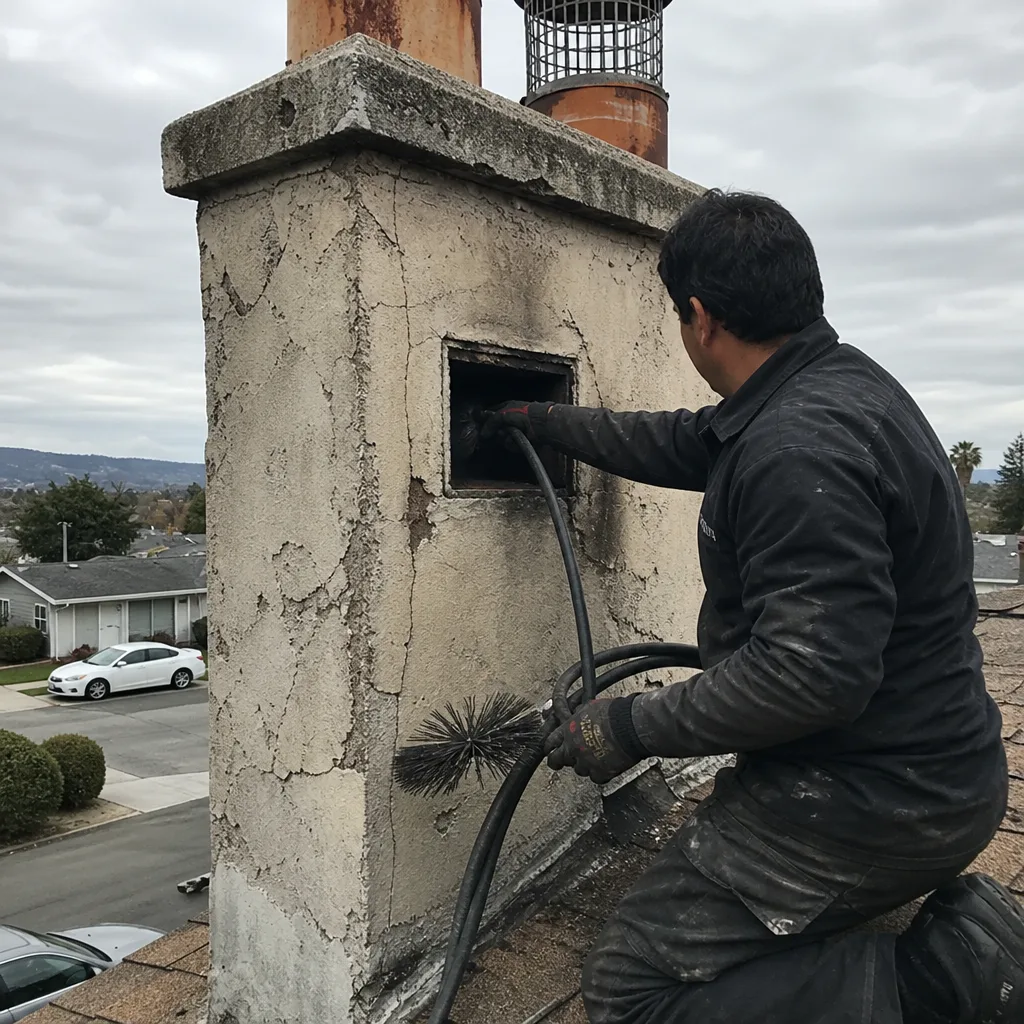
Level 1 sweep and inspection to the NFPA 211 annual standard - flue, crown, cap, and flashing checked and photographed
Chimney sweep logs do not sweep chimneys. They loosen some creosote - which then falls where a brush and vacuum still have to collect it.
Chimney Cleaning Emergency Preparedness Guide for San Jose Homes
After the Loma Prieta earthquake in 1989, Santa Clara County building inspectors documented chimney damage in thousands of homes, and most of that damage was impossible to see from the outside. Homeowners who fired up their fireplaces in the months that followed without post-seismic Level 2 inspections were burning in compromised flues, pushing carbon monoxide and fire risks through systems that looked fine but were not. San Jose sits in one of the most seismically active regions in the country, and the same principle applies to any structural event: what you cannot see is what gets you. This guide walks through the specific emergency scenarios Bay Area homeowners face, the correct sequence of actions for each, and what to do before and after a chimney emergency so you never learn the hard way. For more guides & resources, visit our blog.
Styles & brands we work with
- Sweep & inspection
- Caps & crowns
- Flue relining
- Masonry repair
- Gas fireplace service
Quick Answer
Chimney emergency preparedness for San Jose homeowners means knowing how to identify a chimney fire in progress, understanding which seismic events require professional flue inspection before fireplace use, recognizing storm and debris blockage signs from inside the home, and documenting damage properly for insurance. The single most important rule: after any earthquake of magnitude 4.5 or higher, any chimney fire, or any visible flue damage, do not use the fireplace again until a professional Level 2 inspection confirms the system is sound.
Table of Contents
- How to Identify a Chimney Fire in Progress
- Post-Earthquake Chimney Protocol for San Jose Homes
- Storm Damage, Animal Nesting, and Cap Failure
- Carbon Monoxide Risks in Gas Appliance Chimneys
- Insurance Documentation After a Chimney Emergency
- Building a Chimney Emergency Preparedness Kit
- Common Mistakes to Avoid
- When to Call a Professional
- Frequently Asked Questions
- The Bottom Line
How to Identify a Chimney Fire in Progress
A chimney fire is not subtle. The first sign is almost always sound: a loud roaring or rumbling noise coming from the flue, often compared to a freight train or a low-flying jet passing directly over the house. In our experience with San Jose homes, that sound is the creosote inside the flue igniting and burning at temperatures that can exceed 2,000°F. Review our Chimney Cleaning Warning Signs: A San Jose Homeowner’s Reference Guide to learn what to watch for before a fire starts. The second sign is visual: intense flames or glowing material shooting from the chimney top, visible from outside the home. The third is smoke pushing from unexpected places, including wall outlets near the chimney chase, gaps around the fireplace surround, or seams in the chimney breast.
If you suspect a chimney fire is happening, the sequence is straightforward and non-negotiable:
- Call 911 from outside the home. Do not stay inside to investigate.
- Evacuate everyone, including pets. Do not attempt to retrieve items.
- Close the fireplace damper if you can do so safely without reaching into heat or flame. This reduces oxygen feeding the fire. If it is already too hot to approach, leave it alone and get out.
- Do not use water. Water inside a burning chimney can flash to steam, crack the flue liner, and spread the fire into the structure.
- Wait for the fire department. They will assess from the roof and interior walls.
After the fire is out, the chimney is not safe until a professional inspects it. Chimney fires crack flue liners, warp dampers, melt flashing, and sometimes spread into the attic or wall cavities where they smolder unseen. A Level 2 inspection, which includes video scanning of the flue interior, is the minimum standard before the system is used again. Our Chimney Sweep in Blossom Valley service includes this camera-based evaluation, so you see exactly what the fire did and what needs repair before anyone lights another fire.
What a Chimney Fire Leaves Behind
Even a chimney fire that seems minor leaves physical evidence. After a chimney fire, we typically find one or more of the following:
- Puffy or honeycombed creosote: This transformed residue indicates creosote burned at high temperature and expanded. It is a different color and texture than normal buildup.
- Cracked flue tiles: Thermal shock expands clay tiles unevenly. Video inspection reveals vertical cracks and missing tile sections that cannot be seen from the top or bottom alone.
- Warped or melted damper components: The damper sits directly in the fire path during a chimney fire and often loses its seal, which means smoke and CO can backdraft into the home even when the damper is closed.
- Damaged flashing or roof penetration: Intense heat at the top of the chimney can compromise the seal between chimney and roofline, creating a water intrusion path on top of everything else.
None of these conditions are visible from ground level, which is why the “it looks fine from outside” instinct is dangerous. If a flue liner cracks after a chimney fire and you burn again, the fire now has direct access to the wooden framing around the chimney chase. That is how chimney fires become house fires.
Post-Earthquake Chimney Protocol for San Jose Homes
San Jose sits between the San Andreas Fault to the west and the Calaveras and Hayward faults to the east. Seismic activity is not theoretical here; it is a recurring fact of homeownership. The question most homeowners ask after an earthquake is “can I still use my fireplace?” The answer depends on magnitude and your chimney type.
Our rule for San Jose homes: any earthquake of magnitude 4.5 or greater within 30 miles of your home requires a professional Level 2 chimney inspection before fireplace use. This applies even if the chimney looks perfectly fine from the ground. Here is why: earthquakes apply lateral force to masonry structures, and chimneys are the least reinforced vertical element on most houses. The failure happens inside the flue first, in the form of cracked clay liners, dislodged mortar joints, or shifted flue tile sections. From the outside, nothing looks different. From the inside, carbon monoxide can leak through those cracks and into bedrooms on the second floor.
Santa Clara County’s building history backs this up. After Loma Prieta, inspectors found chimney damage in homes across San Jose, Campbell, and Los Gatos that ranged from minor cracking to complete structural separation at the roofline. Many of those homeowners kept using their fireplaces for weeks or months before the damage was discovered, because the exterior brick showed no visible movement.
Signs of Earthquake-Related Chimney Damage
After a seismic event, check these indicators before you even call for an inspection. These are not substitutes for a camera scan, but they help you describe what you are seeing when you call:
- New cracks in the chimney masonry, especially horizontal cracks or stair-step cracking along mortar joints
- Loose or shifted bricks at the stack, crown, or where the chimney meets the roofline
- Chimney separation from the house: a gap of any width between the chimney stack and the exterior wall
- Ceiling cracks or water stains on the ceiling directly below the chimney chase
- Mortar dust or debris in the firebox that was not there before the earthquake
- A shifted or loose chimney cap, visible from the ground with binoculars
If you notice any of these, do not use the fireplace, do not light a gas log set, and do not run the furnace if it vents through the same chimney. Carbon monoxide from gas appliances is invisible and odorless, and a compromised flue is exactly how CO finds its way into living spaces. Call for a Level 2 inspection before restoring any use.
For homeowners with HeatShield-certified liner restoration, seismic damage may be repairable without a full flue rebuild. HeatShield is a ceramic refractory material applied inside the damaged flue to create a continuous, insulated, code-compliant liner surface. It is a repair-first option that has saved many San Jose homeowners from full chimney demolition after moderate earthquake damage. The key is catching the damage early, before continued use and thermal cycling makes it worse.
Storm Damage, Animal Nesting, and Cap Failure
San Jose’s winter storm season and its wildlife population create a different category of chimney emergency. Fallen branches, dislodged caps, and animal nesting do not announce themselves with a roar like a chimney fire. They show up as slow smoke, strange odors, or water stains that homeowners sometimes ignore for weeks. By the time the problem is obvious, the flue interior may already be damaged.
Here is what we see most often in San Jose homes after storm season:
- Raccoon and squirrel nesting in the flue: Animals enter through missing or damaged caps and build nests from leaves, twigs, and roofing material. These nests block the flue and ignite quickly when the fireplace is lit.
- Fallen tree branches damaging the chimney cap or flue tile: A branch that strikes the cap hard enough to dent it has likely also cracked flue tile below, even if the tile is not visible from the ground.
- Wind-driven rain entering through a damaged crown: This saturates the masonry, and the freeze-thaw cycle (which does happen in San Jose on cold winter nights) accelerates cracking.
- Debris blockage at the smoke shelf: Leaves, sticks, and nesting material accumulate at the smoke shelf just above the damper, constricting airflow and causing smoke to roll back into the room.
When Is It an Emergency vs. a Scheduled Repair?
Not every blockage situation is a five-alarm emergency. The distinction matters because some homeowners panic and overreact, while others underreact and light a fire in a blocked flue.
Treat as an emergency (do not use the fireplace, call immediately) if:
- Smoke is entering the living space when you light a fire, even with the damper fully open
- You smell a strong animal or rotting odor from the fireplace, which may indicate a deceased animal blocking the flue
- You hear animal activity inside the chimney
- Water is actively flowing into the firebox during rain
- The chimney cap is visibly missing or hanging loose
Treat as a scheduled repair (can wait a few days to a week) if:
- The damper is difficult to open or close but there is no smoke issue yet
- You notice a slight musty odor from the fireplace after rain
- Minor water staining on the ceiling near the chimney, with no active leak during dry weather
- The exterior mortar is beginning to crumble but the flue interior is still intact
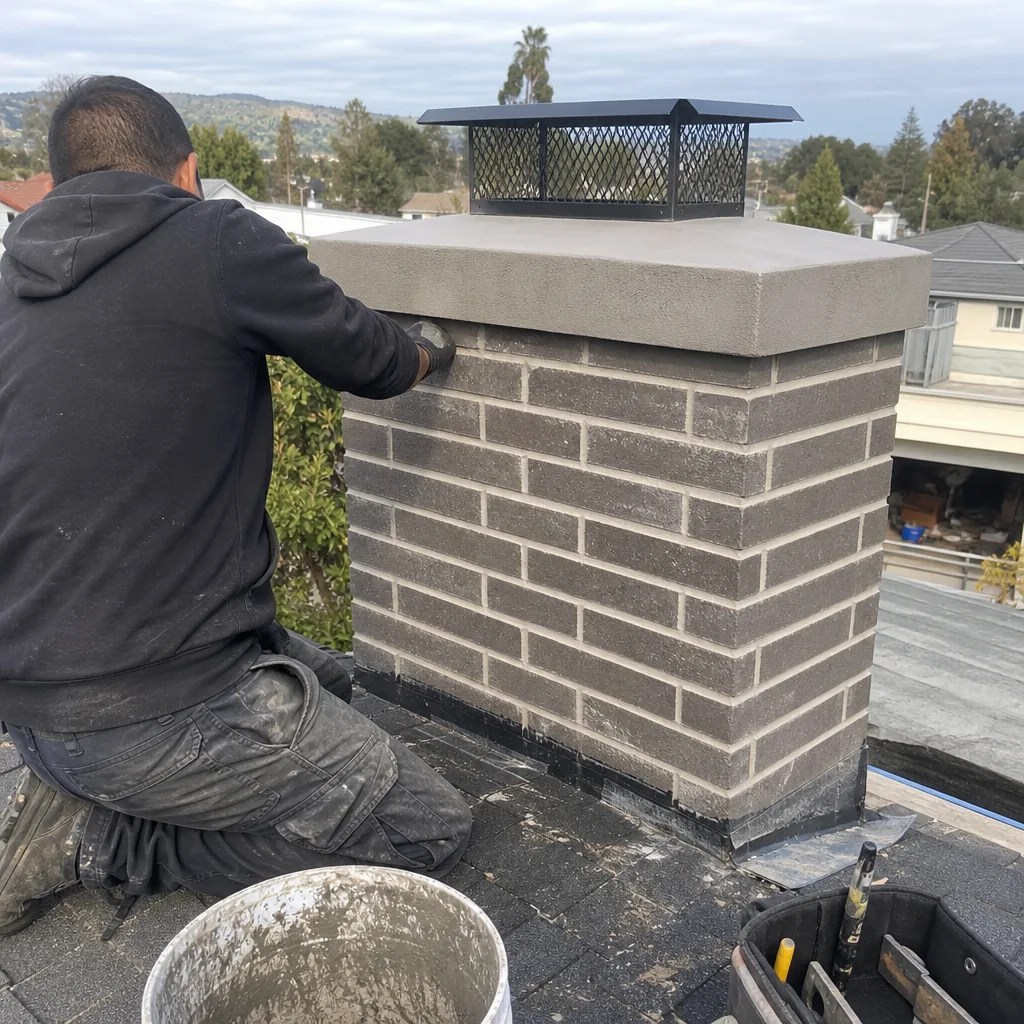
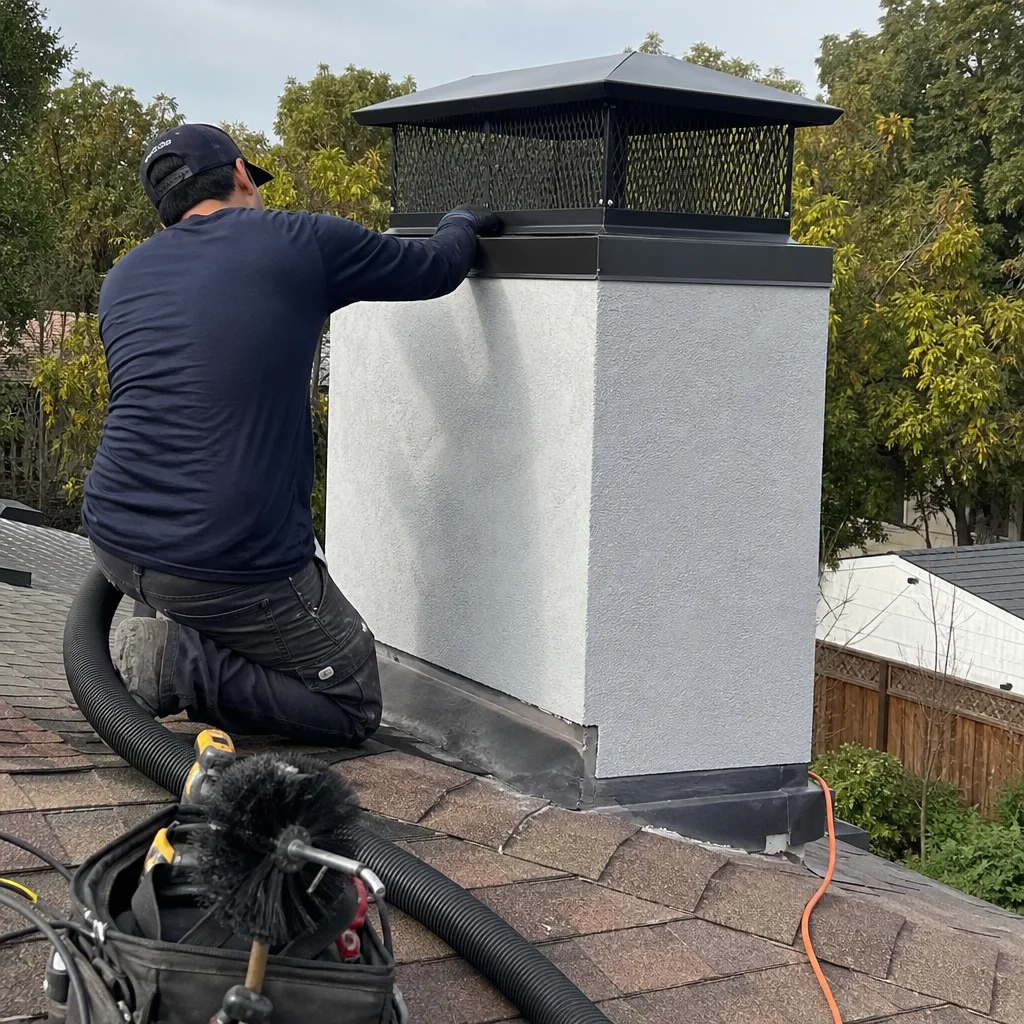
One of the advantages of working with a Chimney Repair in Blossom Valley service that carries Gelco and Olympia Chimney materials is that cap and crown replacement is done with purpose-built components designed for specific flue dimensions. A generic hardware-store cap, or a cap that is improvised on site, creates gaps that let animals and water right back in. Professional-grade caps and crowns are sized to the flue tile, include proper screening, and are secured to survive the next storm season.
Carbon Monoxide Risks in Gas Appliance Chimneys
Carbon monoxide emergencies in San Jose homes are not limited to wood-burning fireplaces. Gas furnaces, gas water heaters, and gas-fired log sets all vent combustion products through the chimney or a dedicated flue, and when that venting is compromised, CO accumulates inside the home. This is a silent emergency, because carbon monoxide has no odor, no color, and no taste, and the early symptoms mimic the flu or general fatigue.
The households most at risk in San Jose are those with older gas appliances that were originally vented through a masonry chimney. Over decades of service, the following problems develop:
- Flue liner deterioration from acidic condensate: Modern high-efficiency gas appliances produce exhaust with more moisture and acidity than older units. That condensate attacks clay flue liners, causing spalling (flaking) that narrows the flue and creates blockages.
- Mortar joint failure between flue tile sections: CO leaks through these gaps into wall cavities and second-story rooms. The leaks are invisible and undetectable without a camera scan.
- Rust and corrosion on the appliance’s vent connector: The visible pipe connecting the furnace or water heater to the chimney can develop holes or loose joints that leak exhaust directly into the utility room or garage.
- Common venting failure: When multiple gas appliances share one flue, and one is replaced with a direct-vent or high-efficiency model, the remaining appliance may not draft properly, pulling exhaust back into the home.
Placement of Carbon Monoxide Detectors
CO detector placement is not something to guess at. The California Building Code and the manufacturer’s guidelines are clear, and San Jose homeowners should follow both:
- Install one CO detector on each level of the home, including the basement if you have one
- Place detectors within 15-20 feet of every sleeping area, and if bedroom doors are closed at night, install one inside each bedroom
- Install a detector in the same room as any gas appliance, but at least 5-10 feet away from the appliance itself to avoid nuisance alarms during normal operation
- Do not mount CO detectors directly above or beside fireplaces or in humid bathrooms
- Test detectors monthly and replace batteries every six months, even for hardwired models with battery backup
If your CO detector sounds and you are experiencing headache, dizziness, nausea, or confusion, evacuate the home immediately and call 911 from outside. Do not open windows and stay inside to “air it out.” The correct response is get out, stay out, and let the fire department identify the source.
Prevention is the better path. For gas appliance chimneys in San Jose homes, an annual Chimney Sweep in Blossom Valley inspection includes checking the vent connector, verifying proper draft, and camera-scanning the flue for the liner damage that causes CO leaks. If the liner is compromised, a DuraFlex stainless steel liner or HeatShield restoration brings the system back to code without requiring a full masonry rebuild.
Insurance Documentation After a Chimney Emergency
After a chimney fire, earthquake damage, or storm-related failure, insurance adjusters need specific documentation to process your claim, and they look for evidence that the damage was sudden and accidental rather than the result of deferred maintenance. The difference in payout can be tens of thousands of dollars, and homeowners who document properly are in a much stronger position.
Here is the documentation sequence we recommend for San Jose homeowners after any chimney emergency:
- Take photos and video immediately. Document the fireplace, the exterior chimney, the roof, and any interior water or smoke damage before anything is cleaned or moved. Video is especially useful because it captures the full context.
- Keep the fire department report if the fire department responded. This report establishes the event, the time, and the observed conditions, and insurers treat it as a primary source.
- Get a written inspection report from a chimney professional. The report should include a camera scan summary, photos of the flue interior, and a written assessment of the damage. This is where brand-backed materials matter: a report that specifies repair with HeatShield restoration or DuraFlex stainless steel liner carries manufacturer documentation and warranty language that insurers recognize as legitimate remediation.
- Obtain written repair estimates on company letterhead. Itemize the repair scope: flue liner, damper, cap, crown, flashing, masonry work. Generic estimates get pushed back; line-item estimates get approved faster.
- Request warranty documentation for any materials specified. HeatShield, DuraFlex, and similar professional trade brands issue written warranties on their products. Insurers treat a repair that includes a manufacturer warranty as a complete, permanent fix, not a patch.
- Save all correspondence with the insurance company. Dates, adjuster names, and summary of conversations. This matters if the claim is delayed or disputed.
San Jose homeowners should understand that insurance typically covers sudden damage from chimney fires, earthquake-related collapse, and storm damage. It typically does not cover gradual deterioration from years of deferred sweeping or water intrusion that was never addressed. This is why annual sweeping and inspection records are valuable: they demonstrate that the homeowner maintained the system, and then a sudden event caused the damage. That distinction is often the difference between an approved claim and a denied one.
Building a Chimney Emergency Preparedness Kit
You have a first aid kit and a fire extinguisher. A chimney emergency preparedness kit is the same idea, applied to the specific risks of a wood-burning system. Most of these items are inexpensive and already in your home. Together, they give you the ability to respond correctly in the first minutes of a chimney emergency.
- Working CO detectors on each level and within 20 feet of sleeping areas. This is the single most important item on the list. If the flue fails, the CO detector is what tells you before symptoms do.
- Smoke detectors in the same rooms as fireplaces and gas appliances. Interconnected detectors are best; when one sounds, they all sound.
- Binoculars kept near a window with a view of the chimney top. After storms or earthquakes, you can check the cap and crown from the ground without climbing onto the roof.
- One ABC-rated fire extinguisher on each floor, not stored next to the fireplace but accessible on the way out of the house.
- Your chimney professional’s phone number saved in your phone, along with the last inspection date and any notes from the last camera scan. In an emergency, you do not want to search for this information.
- A log of chimney maintenance, including sweep dates and any repairs. This log is your documentation for insurance and for future inspections.
- Using the fireplace after any earthquake without an inspection. Even a small earthquake can crack flue liners, and the damage is invisible from outside. The cost of a Level 2 inspection is a fraction of what a cracked liner left in service will eventually cost.
- Assuming a gas fireplace does not need chimney maintenance. Gas fireplaces produce moisture and acidic condensate that attacks flue liners over time. Gas appliance vents fail as often as wood-burning systems; they just fail silently.
- Treating a loud roar from the chimney as “normal.” A chimney fire is unmistakably loud. If you hear it, call 911 first and investigate later.
- Reusing the fireplace after a chimney fire because “it still works.” The fire may have cracked the liner, compromised the damper, and damaged the flashing. Burning again without inspection is the second fire waiting to happen.
- Ignoring a musty or animal odor from the fireplace. That odor often means an animal has nested or died in the flue, and the blockage is a fire hazard. The odor will not resolve on its own.
- Skipping annual sweeping because the fireplace “does not get used much.” Creosote buildup depends on burn conditions, not frequency. A single bad fire can create more creosote than a full season of clean burns.
- Covering the chimney top with mesh or screen bought from a hardware store. Improper screening restricts draft, collects creosote, and creates a new fire hazard. Proper caps are sized by a professional and installed to code.
This kit costs less than $100 to assemble and takes 30 minutes. For San Jose homeowners with any combustion appliance in the home, it is the difference between catching a problem early and discovering it after it becomes an emergency.
Common Mistakes to Avoid
Most chimney emergencies we see in San Jose homes are made worse by one of these specific mistakes. Each one is preventable.
When to Call a Professional
Call a chimney professional immediately after any chimney fire, any earthquake of magnitude 4.5 or higher within 30 miles of your home, any visible chimney damage, any smoke entering the living space, any CO detector alarm that cannot be traced to a dying battery, or any animal activity inside the chimney. These are not situations where you wait and see. The downside of ignoring any one of them is a house fire or carbon monoxide poisoning, and neither one gives you a warning before it happens.
For San Jose homeowners who want the full system evaluated, not just the flue swept, working with a specialist who handles chimney sweeping, repair, and Dryer Vent Cleaning in Blossom Valley under one roof is valuable, because a clogged dryer vent is the same class of fire risk as a clogged chimney, and many homes have both problems at the same time. Chimney Sweep Blossom Valley offers free estimates in San Jose. Call (833) 593-5179 to schedule an inspection before burning season starts.
Frequently Asked Questions
A Level 2 chimney inspection in San Jose typically costs between $200 and $500 depending on the chimney height, access, and whether video scanning equipment is needed. If the inspection identifies damage that requires repair, many companies credit part of the inspection fee toward the repair cost. Call (833) 593-5179 for an exact quote for your chimney, because every system is different and the price depends on what we find.
The National Fire Protection Association recommends a chimney sweep whenever 1/8 inch or more of creosote has accumulated, and for most San Jose homes that means once per year. Homes that burn green or unseasoned wood, or that use the fireplace as a primary heat source during winter, may need sweeping twice per season. The safest approach is an annual sweep and inspection, which catches liner damage before it becomes an emergency.
Yes, and this is one of the most common damage patterns in San Jose after seismic events. Earthquakes apply lateral force that cracks clay flue liners and shifts mortar joints inside the chimney, while the exterior masonry shows no visible change. The only way to detect this damage is a camera scan of the flue interior, which is part of a Level 2 inspection. After any earthquake of magnitude 4.5 or higher, assume the flue has been compromised until a professional confirms otherwise.
Gas fireplaces do not produce creosote, but they do produce moisture and acidic condensate that corrodes flue liners and can create blockages over time. The venting system still needs annual inspection, even if sweeping is less frequent. Carbon monoxide leaks from gas appliance flues are the most dangerous chimney problem in San Jose homes because the leak is invisible and odorless. If your CO detector sounds near a gas fireplace, evacuate and call for an inspection before using the appliance again.
Extinguish the fire if you can do so safely, open windows to ventilate the room, and do not use the fireplace again until a professional has inspected the flue. Smoke entering the living space means the flue is blocked, the damper is malfunctioning, or the chimney is not drafting properly. Continued use forces smoke and carbon monoxide into the home, and a blocked flue can drive embers into wall cavities. Call (833) 593-5179 for an emergency inspection.
Earthquake damage is typically covered by a separate earthquake insurance policy, not a standard homeowners policy, so San Jose homeowners should verify their coverage before an event happens. Chimney fires and storm damage are usually covered by standard homeowners insurance if the homeowner can demonstrate the system was properly maintained. Keep records of annual sweeps and inspections. After any emergency, document damage with photos and video before cleaning or repairs, and obtain a written inspection report from a chimney professional that specifies the repair materials used.
The Bottom Line
Chimney emergencies in San Jose follow a pattern: earthquakes crack flue liners invisibly, chimney fires destroy liners that were already compromised by creosote, and storm debris creates blockages that turn into house fires when ignored. The common thread is that none of these conditions can be seen from the ground, and all of them require professional inspection to detect. The prepared homeowner is the one who knows the warning signs, has working CO detectors, documents maintenance, and treats any structural event as a reason to verify the chimney before using it again. That is the difference between a problem you catch and a problem that catches you.
Written by the team at Chimney Sweep Blossom Valley, serving San Jose since 2014. We work exclusively with professional chimney-trade brands including DuraFlex, HeatShield, Gelco, and Olympia Chimney, and we handle chimney sweeping, repair, and dryer vent cleaning under one roof. Chimney Sweep Blossom Valley home | Call (833) 593-5179 for a free estimate.
See the difference
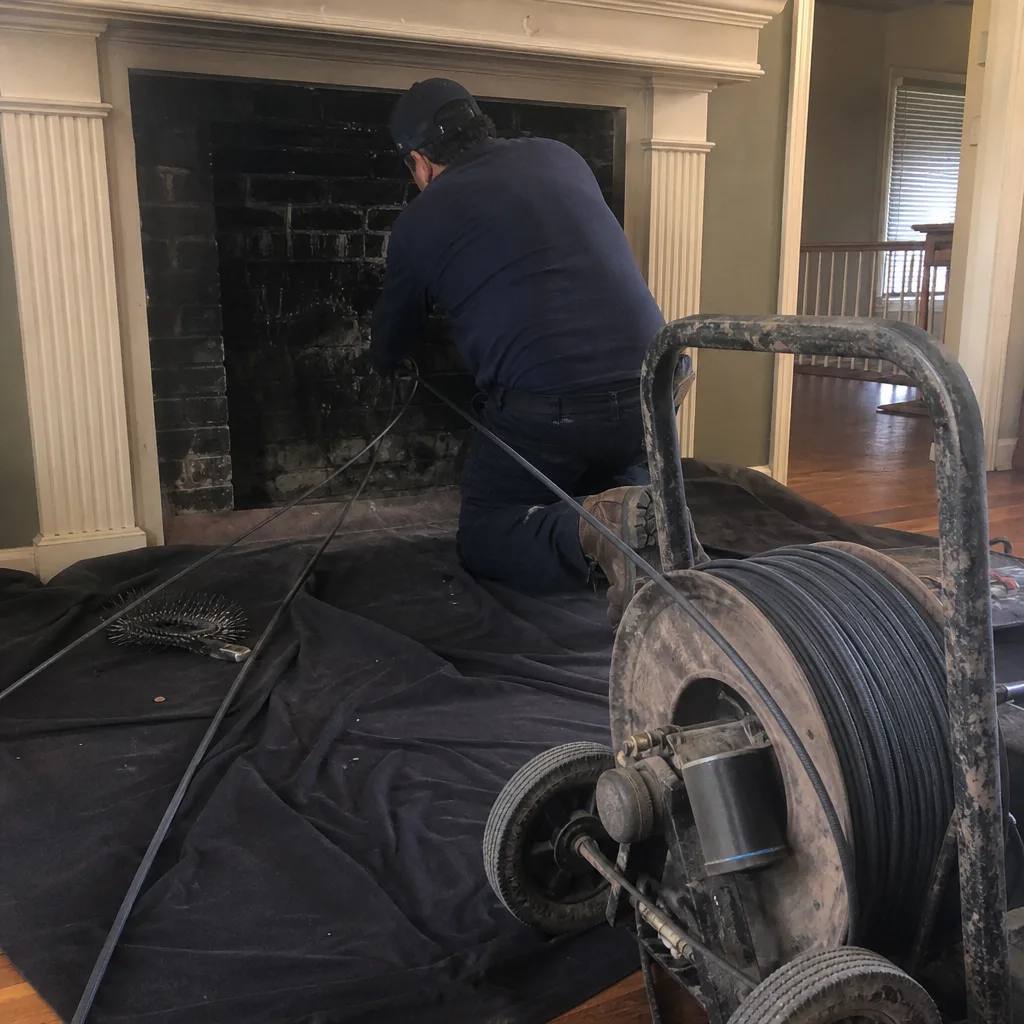 Before
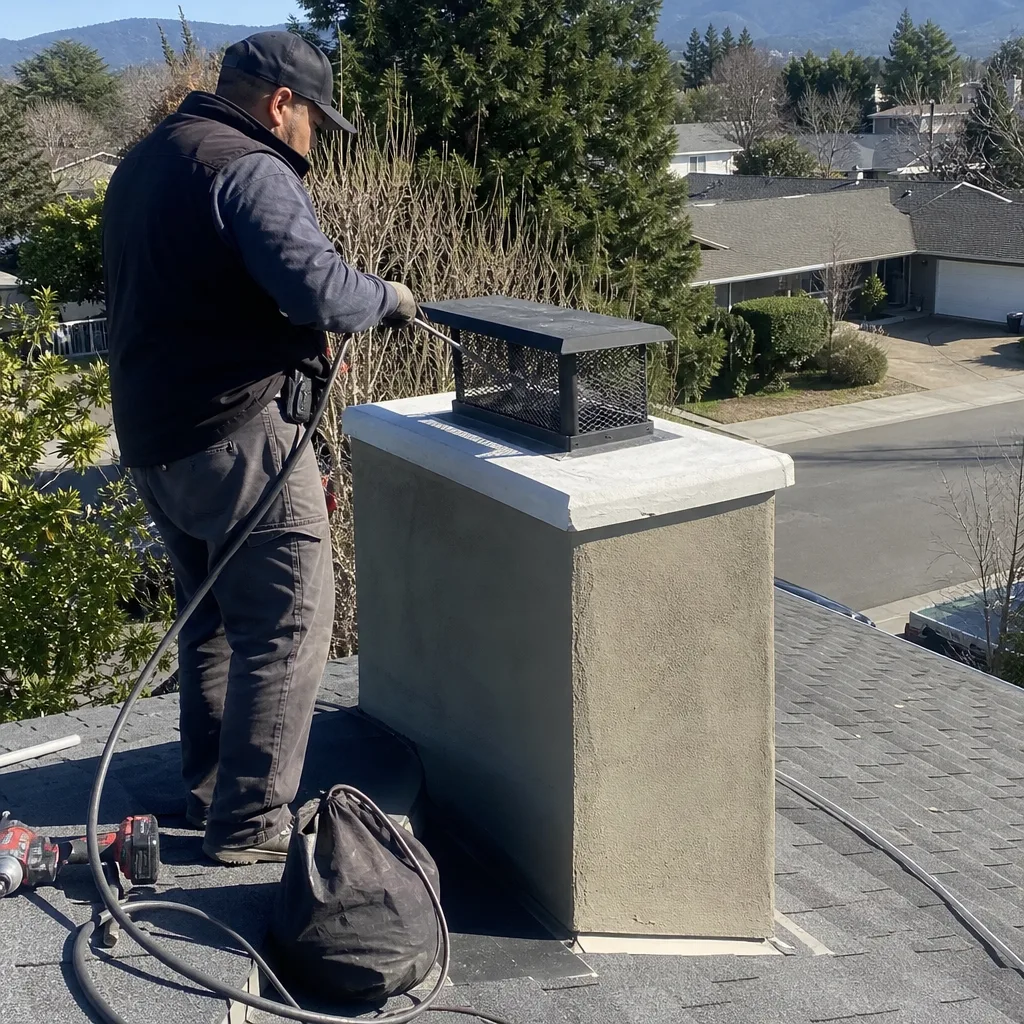 After
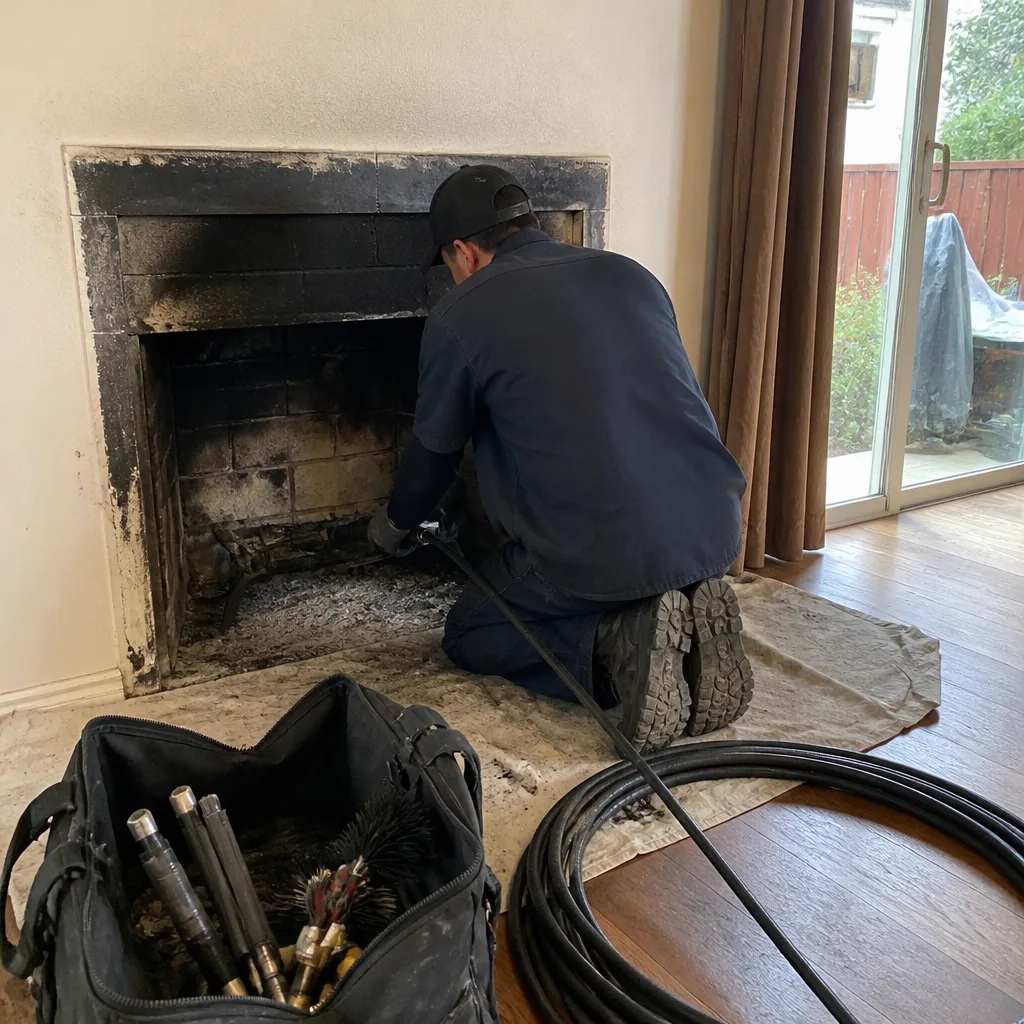 Before
 After
 Before
 After