
Last updated November 2, 2026
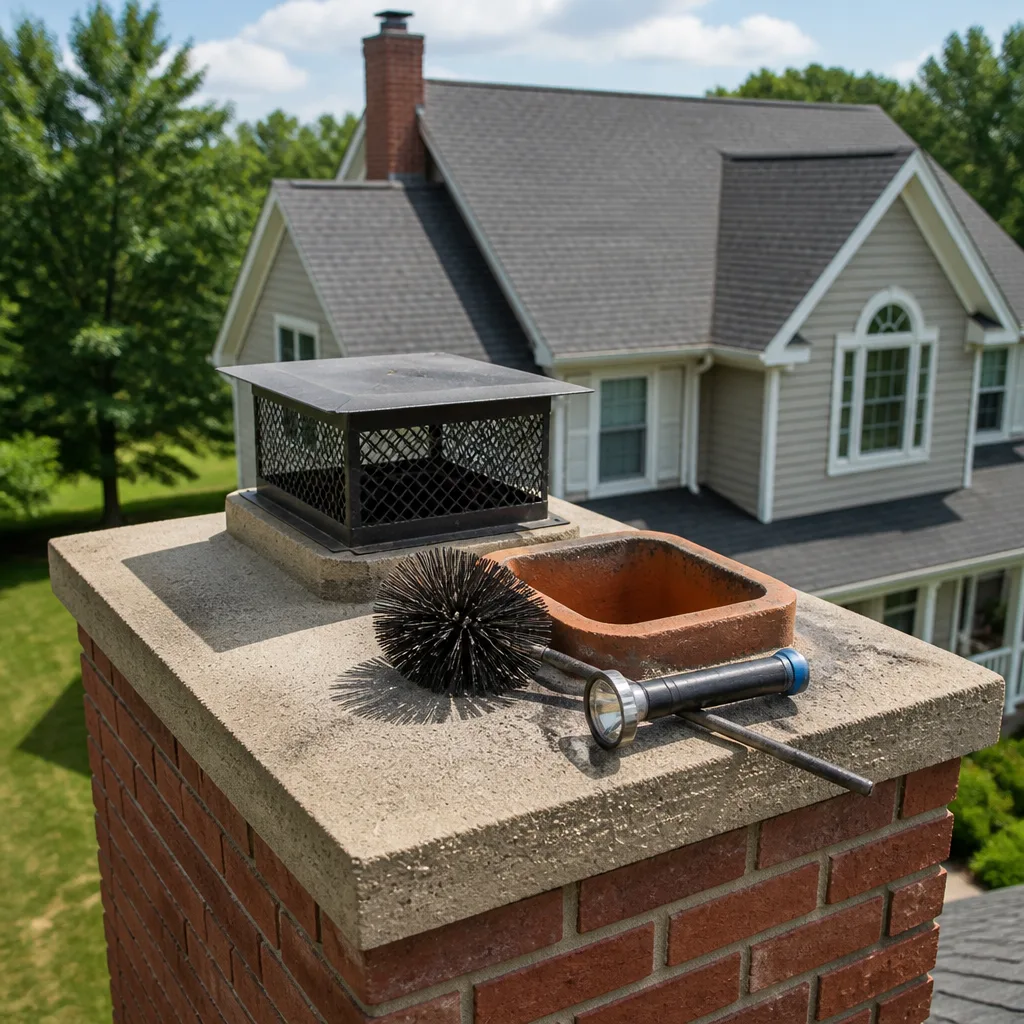 Sweep & inspection
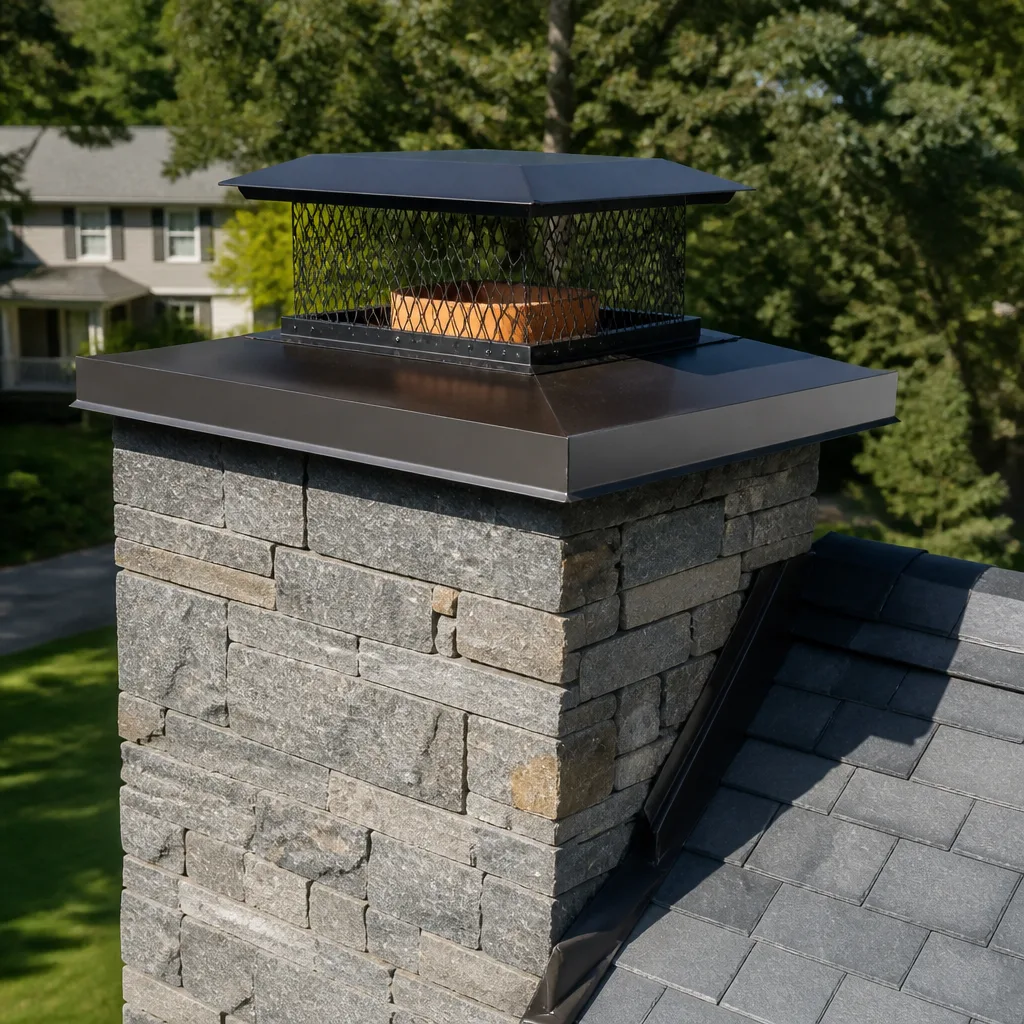 Caps & crowns
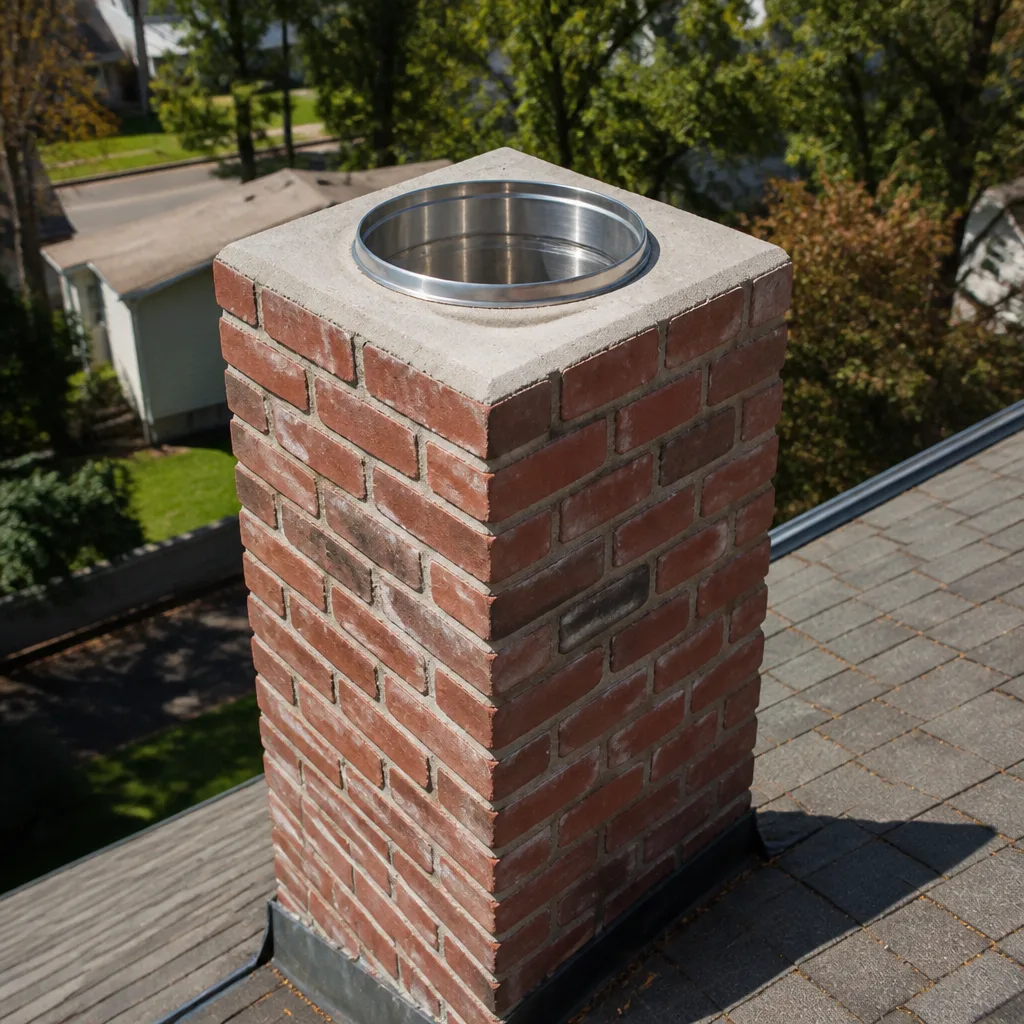 Flue relining
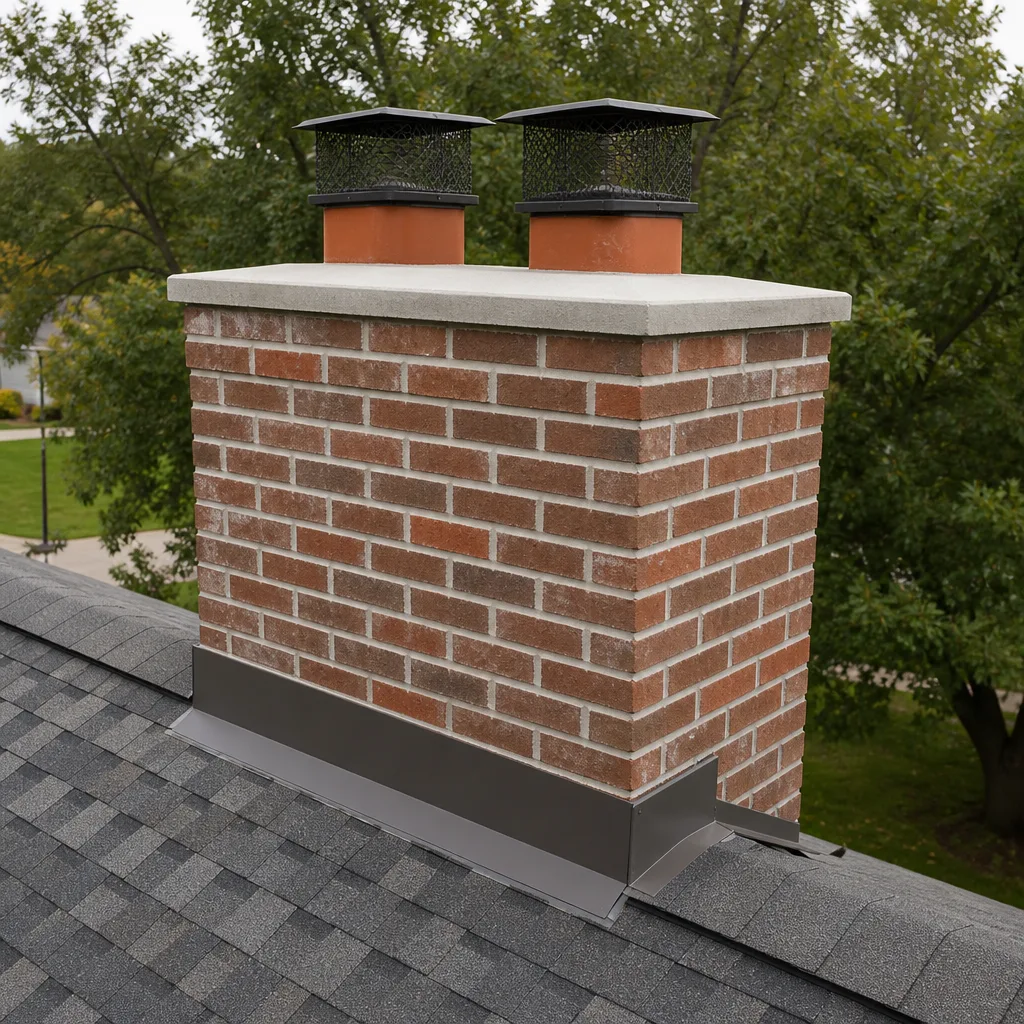 Masonry repair
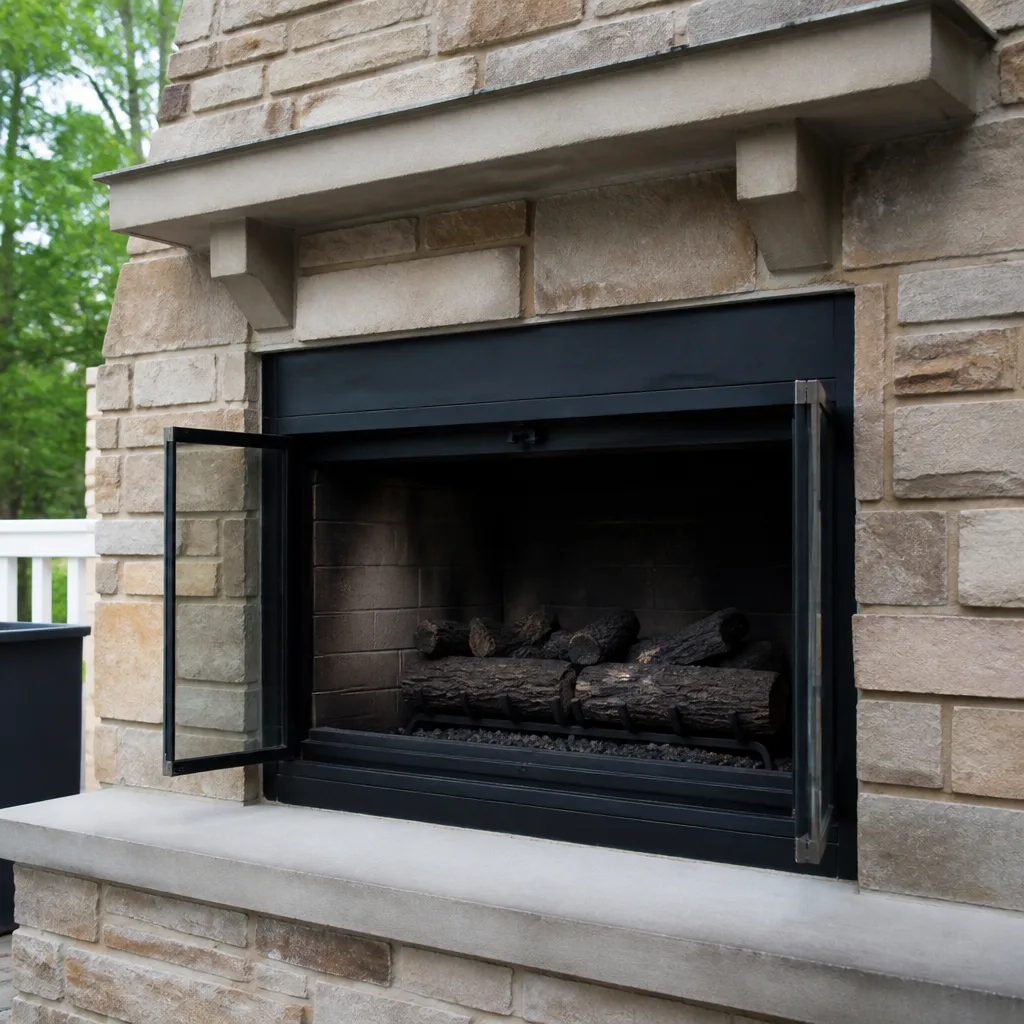 Gas fireplace service
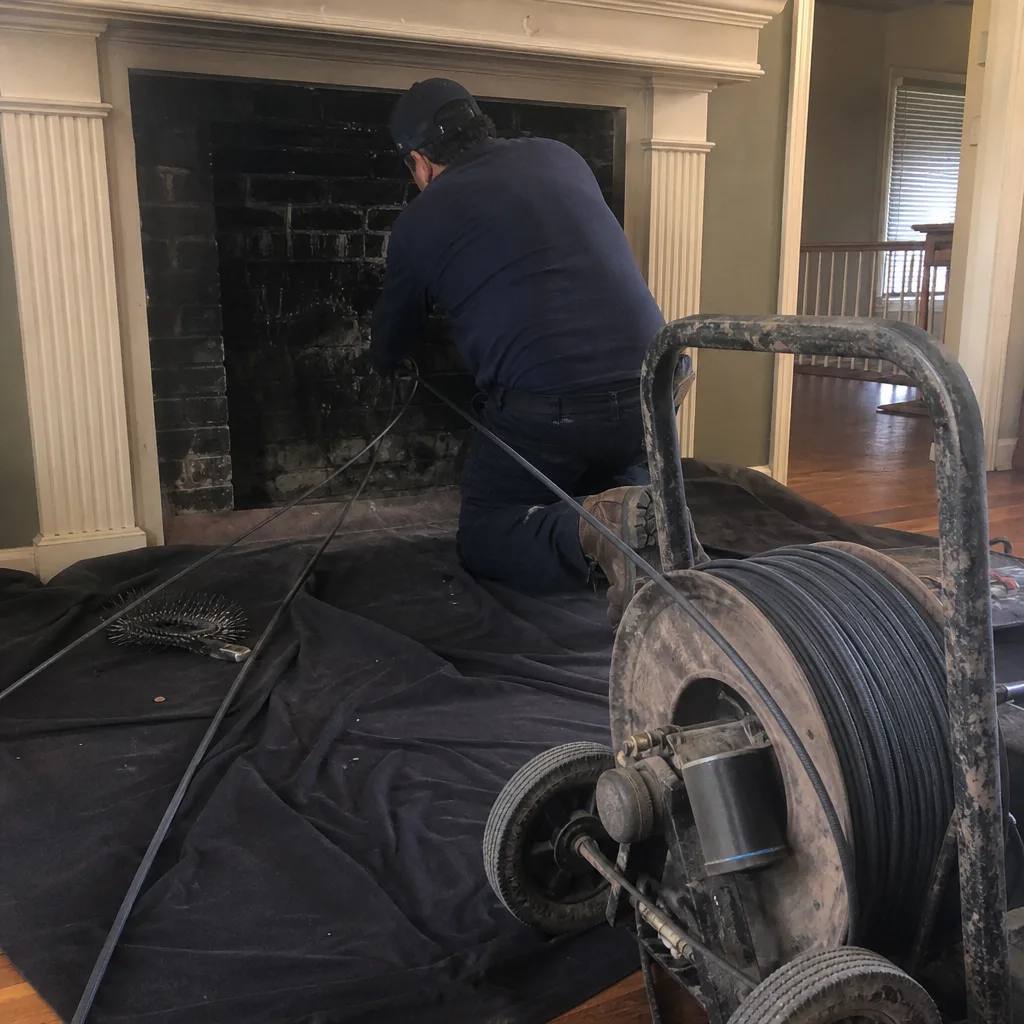
Level 1 sweep and inspection to the NFPA 211 annual standard - flue, crown, cap, and flashing checked and photographed
Chimney sweep logs do not sweep chimneys. They loosen some creosote - which then falls where a brush and vacuum still have to collect it.
Chimney Cleaning Cost Breakdown: The San Jose Homeowner’s Reference for 2026
A $79 chimney cleaning special and a $299 cleaning quote are not the same service with different margins. The $79 job typically covers a single flue brush pass with no inspection report, no camera, and no assessment of the liner, smoke chamber, or firebox. Those are the components most likely to be the actual safety problem. This San Jose guide breaks down what each price tier actually includes, so you can compare quotes that aren’t comparable and understand exactly what gets skipped at the bottom of the range. For related reading, see our Chimney Cleaning Warning Signs: A San Jose Homeowner’s Reference Guide.
Styles & brands we work with
- Sweep & inspection
- Caps & crowns
- Flue relining
- Masonry repair
- Gas fireplace service
Quick Answer
Chimney cleaning in San Jose costs between $129 and $349 for a standard sweep in 2026, with most complete services landing between $189 and $289. A Level 2 inspection with camera adds $150 to $300. Dryer vent cleaning runs $129 to $199. The difference between the top and bottom of each range is almost always scope: whether anyone actually inspects the flue liner, smoke chamber, and cap, or just runs a brush through and leaves.
Table of Contents
- What a Chimney Cleaning Actually Costs in San Jose
- The Line-Item Breakdown: What a Complete Service Includes
- Level 2 Inspections: When You Need a Camera, Not Just a Brush
- Dryer Vent Cleaning Costs and Why It Belongs in the Same Conversation
- Repair Add-Ons: HeatShield, Liners, Caps and Crowns
- The Factors That Legitimately Increase Your Cost
- How to Evaluate a Quote for Hidden Costs
- The True Cost of Deferring Maintenance
- Common Mistakes to Avoid
- When to Call a Professional
- Frequently Asked Questions
- The Bottom Line
What a Chimney Cleaning Actually Costs in San Jose
San Jose pricing runs higher than national averages for one simple reason: this is a market where homes range from 1950s ranchers in Willow Glen with original masonry chimneys to 1990s tract builds in Evergreen with prefab metal flues, and each requires different tools, time, and care. You’re not paying for a commodity. You’re paying for time on the roof, equipment that fits your flue type, and the expertise to interpret what gets pulled out.
Here’s what we see across the South Bay in 2026:
- Standard sweep, no inspection: $80 to $140. A brush through the flue. No liner assessment, no camera, no written report. Often marketed as a “special.”
- Sweep with Level 1 inspection: $189 to $289. The brush work plus a visual check of accessible portions of the chimney, firebox, damper, and cap. This is what most homeowners in San Jose should expect to pay for a proper annual service.
- Sweep with Level 2 inspection (camera): $349 to $549. Everything in the Level 1 plus video scanning of the entire flue interior. Required by code after a property transfer, chimney fire, or any change to the system.
- Dryer vent cleaning: $129 to $199 depending on the vent length and accessibility. Most San Jose dryers vent to the roof, which adds time versus a ground-level wall vent.
What you’re buying at each tier isn’t a fancier brush. It’s whether anyone looks at the parts of the chimney that fail silently. A sweep without an inspection answers one question: is the flue clear enough to use? It answers nothing about whether the liner has cracked, the mortar crown has worn through, or the smoke chamber has accumulated enough creosote to ignite. Those are the questions that determine whether your chimney is safe, not just clear.
The Line-Item Breakdown: What a Complete Service Includes
When a Chimney Sweep in Blossom Valley or any other San Jose specialist quotes a complete service, you should see these components addressed. If you don’t, ask why. A complete sweep is not one task. It’s a sequence of distinct checks, and each one exists because someone’s house burned down or filled with carbon monoxide when it was skipped.
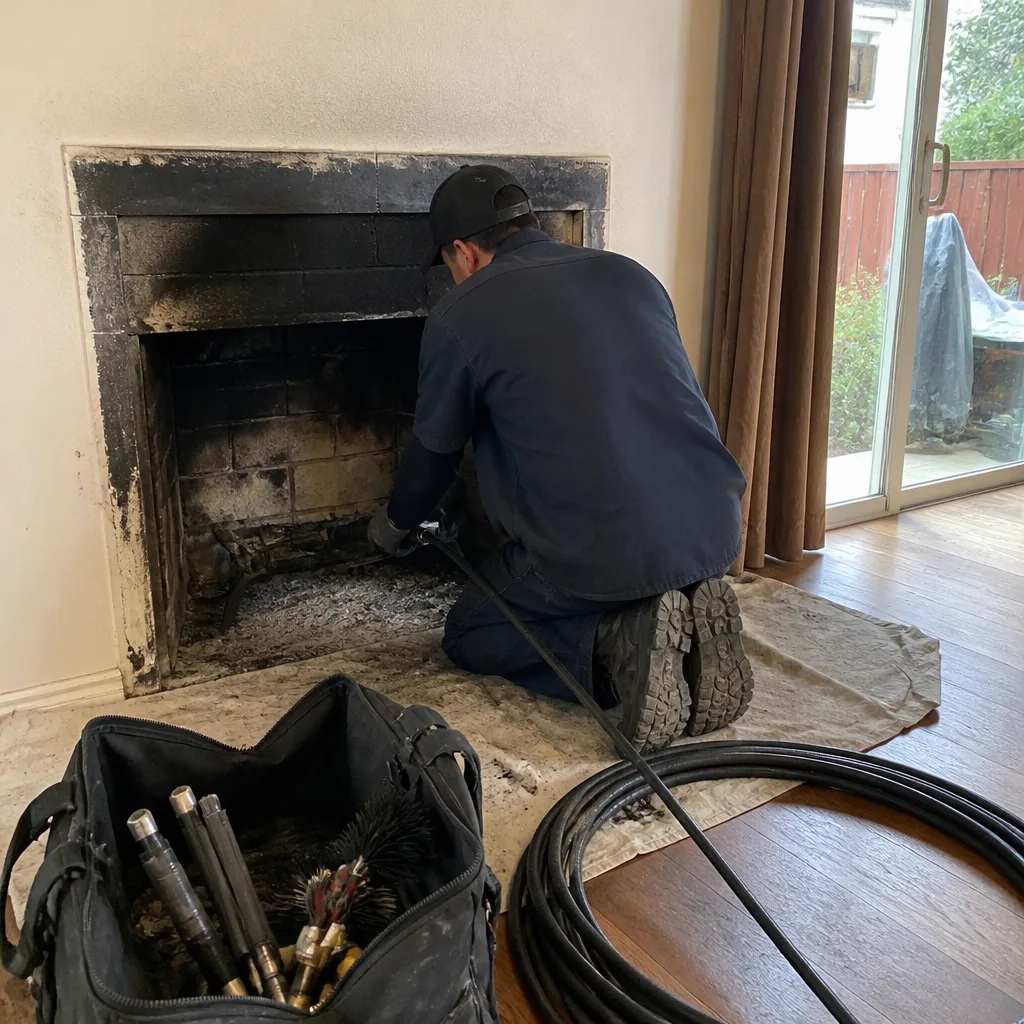
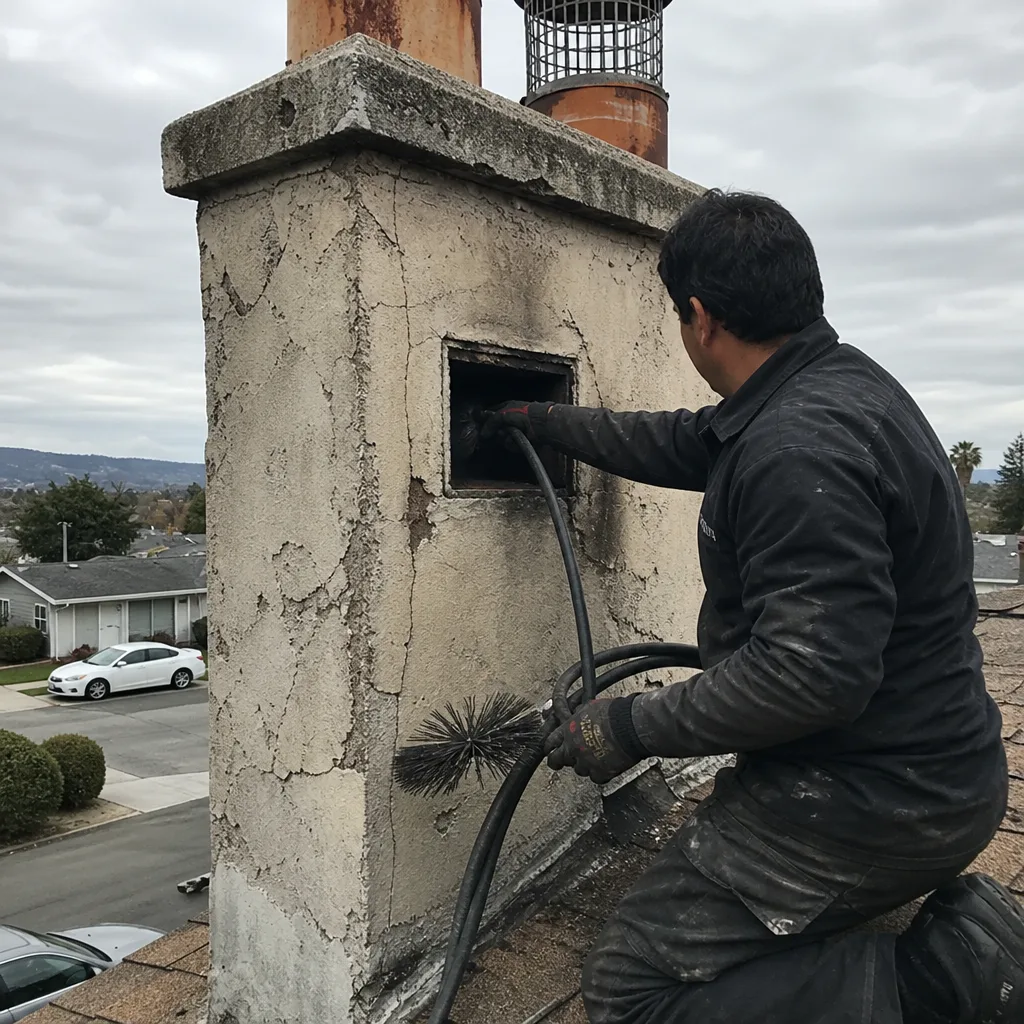
- Flue brushing: Mechanical removal of creosote and soot from the flue walls. The brush diameter must match your flue dimensions. A 12-inch brush in a 14-inch flue leaves a layer of fuel on the walls.
- Creosote inspection: Measuring the thickness and type of creosote. First and second degree creosote brushes out. Third degree glazed creosote requires chemical treatment or mechanical removal by a rotary tool. If your sweep doesn’t check, you won’t know which you have.
- Smoke chamber assessment: The funnel area above the firebox where creosote also collects and where most chimney fires actually start. Checked visually, from inside the firebox when possible.
- Firebox inspection: Looking for cracked brick, deteriorating mortar joints, and heat damage. The firebox contains the fire itself. It’s the part of the system with the least margin for error.
- Damper operation: Is the damper opening and closing fully? Does it seal? A damper stuck open means heated air from your home goes up the chimney all winter. A damper stuck closed means smoke backs into the living room.
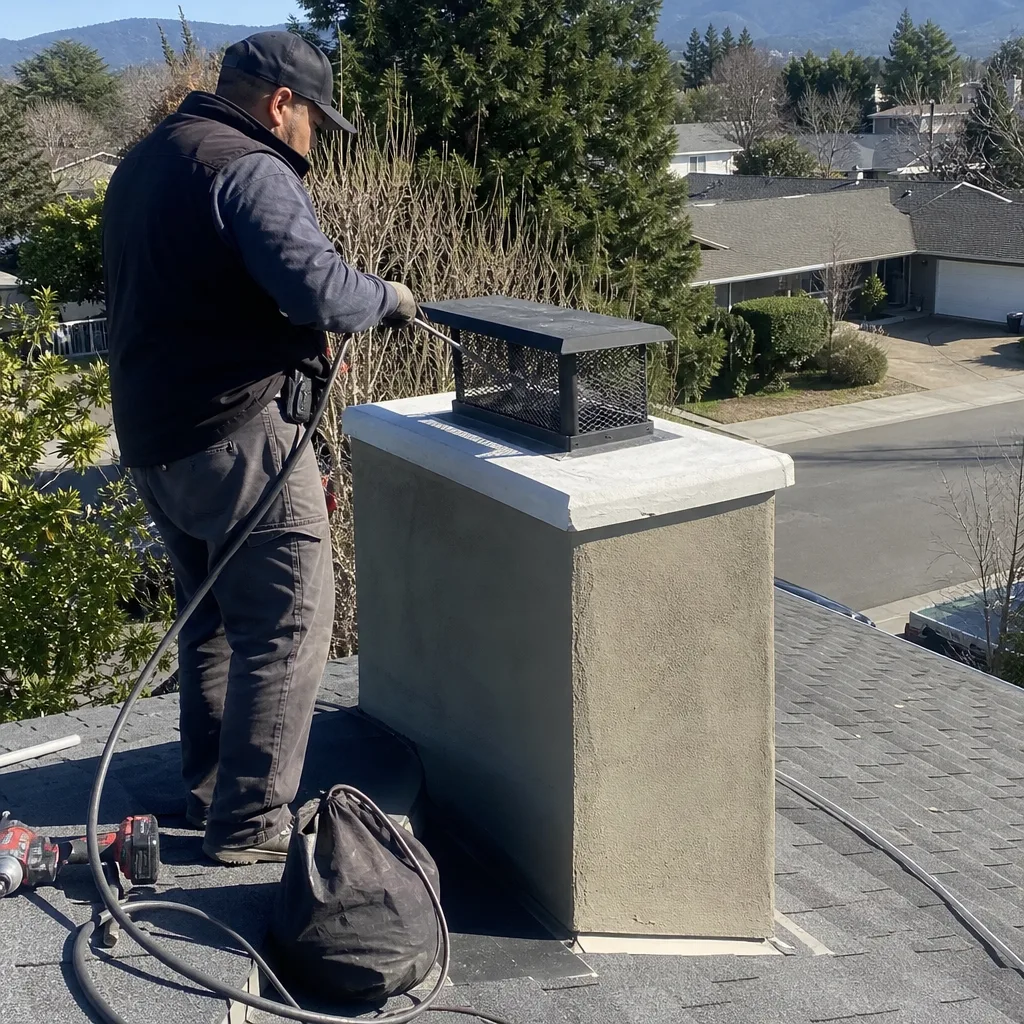
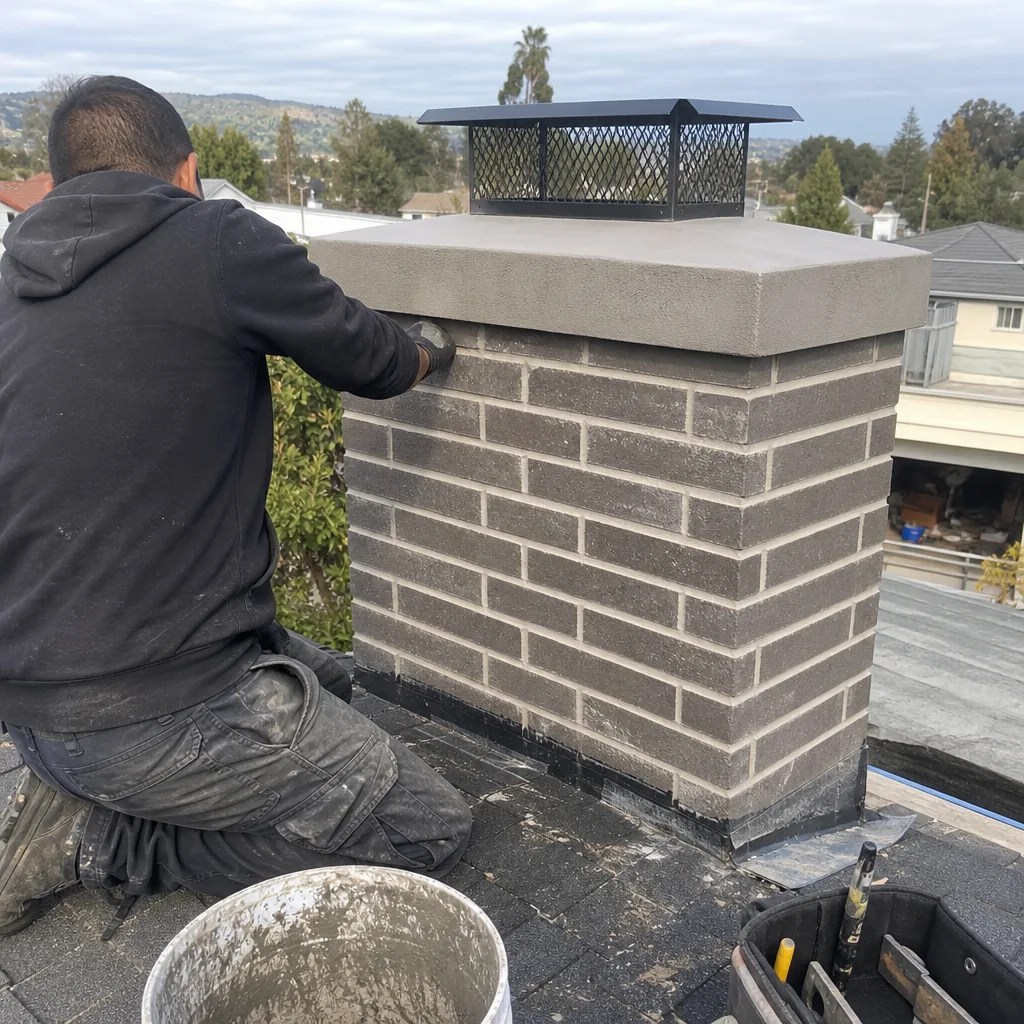
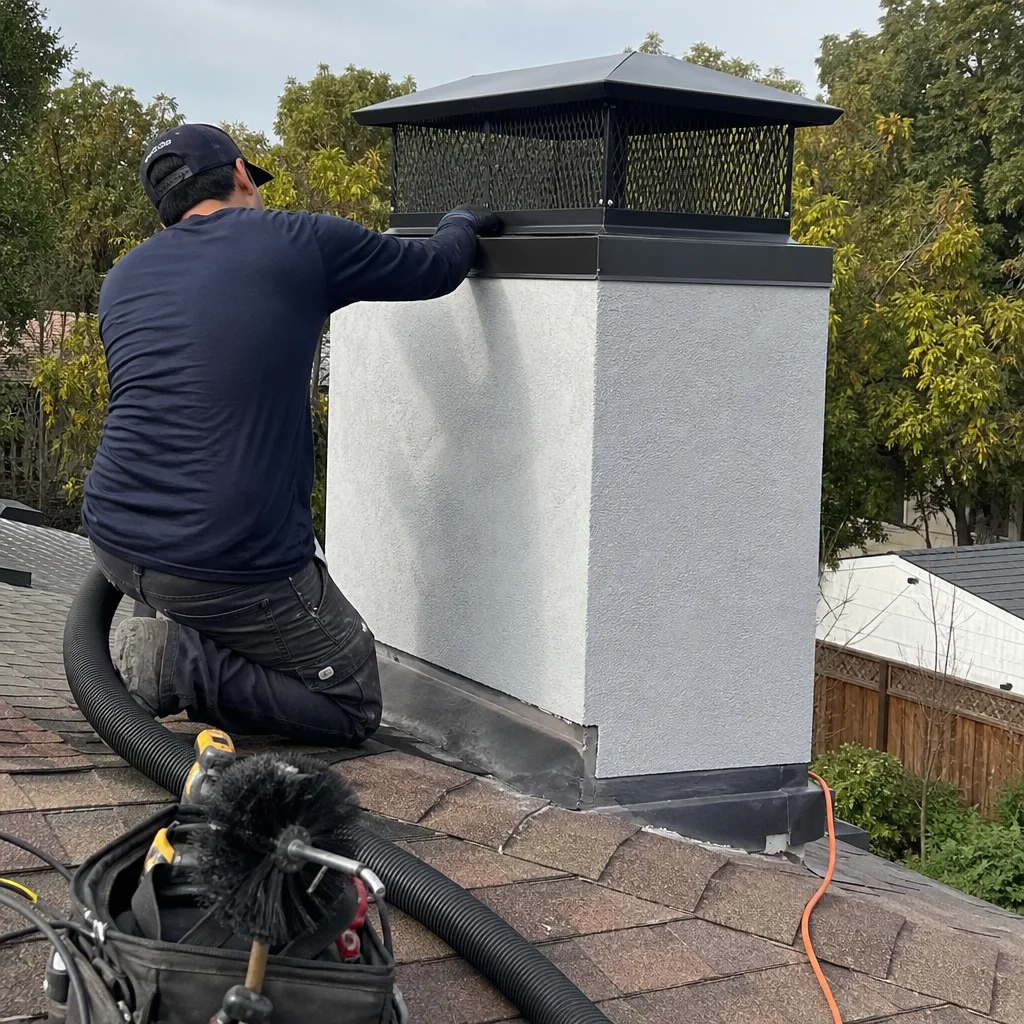
- Cap and crown check: From the roof. San Jose gets a real rainy season, and the cap and mortar crown are the only things between your chimney and water intrusion. We use Gelco and Olympia Chimney caps and crown products because they’re purpose-built for chimney terminations, not generic sheet-metal caps that rust through in five years.
- Flash inspection: The metal seal where chimney meets roof. San Jose’s seismic activity works flashing loose over time, and a leak at the flashing often gets misdiagnosed as a roof leak.
- Written report: Photos of findings, measurements taken, condition of each component. If there’s no written record, there was no inspection. It doesn’t count.
This sequence costs more than a brush pass because it takes longer and requires the technician to actually know what they’re looking at. But it’s also the difference between paying $129 a year to maintain a system and paying $4,000 in year five because nobody caught a crack in the liner until it spread.
Level 2 Inspections: When You Need a Camera, Not Just a Brush
A Level 2 inspection is a video scan of the entire interior flue surface. It’s the only way to see hairline cracks in a clay tile liner, failed mortar joints between tiles, or separation in a prefab metal flue. These defects are invisible from the top and invisible from the firebox. If your sweep service doesn’t own a camera system, they cannot find them. Period.
In San Jose, a Level 2 inspection is required by NFPA 211 code in three specific circumstances. Learn more in our Chimney Cleaning Permits, Codes & Inspections in CA: What You Need to Know:
- Property transfer: If you’re selling a home with a fireplace, the buyer’s inspector will likely require a Level 2. Smart sellers do it before listing, not after a negotiation gets held hostage by a surprise finding.
- After a chimney fire: Even a small one. A chimney fire can damage the liner in ways that are invisible without a camera. If you had a fire, you need the camera. No exceptions.
- System change: Converting from wood to gas, changing the liner, or any structural modification to the chimney.
Expect to pay $150 to $300 for the camera inspection on top of the sweep, or $349 to $549 for a combined sweep plus Level 2 if the service structures it that way. If you’ve owned your home for more than five years and have never had a camera in the flue, you have an uninspected system. We’d tell you to schedule one. The $250 is cheap compared to discovering a failed liner through a chimney fire or a carbon monoxide detector at 3 a.m.
Dryer Vent Cleaning Costs and Why It Belongs in the Same Conversation
We offer Dryer Vent Cleaning in Blossom Valley because the physics is identical to a chimney: you have a vertical exhaust passage, it collects flammable material, and when it clogs, the system fails in a way that can kill you. The only difference is the fuel source. A chimney collects creosote from wood combustion. A dryer vent collects lint, and lint is essentially cotton. It ignites easily.
In San Jose, dryer vent cleaning runs $129 to $199. The variable is vent length and accessibility. Many South Bay homes vent dryers through the roof, which means getting on the roof, removing the vent cap, and cleaning from the top down. A ground-level wall vent takes half the time. Either way, the job requires a rotating brush, a vacuum system, and a check of the exterior termination point. Using a Famco vent connector and proper termination cap matters; improvised ductwork with foil tape and plastic fittings is exactly how lint builds up at the joints and catches.
If you don’t know the last time your dryer vent was cleaned, that’s your answer: it needs it. A clogged dryer vent means your dryer runs longer, your clothes come out damp, and somewhere in that duct, a lint accumulation is drying and hardening and waiting for a spark. The cost of the cleaning is less than the difference in your PG&E bill over the months a clogged vent forces your dryer to work harder.
Repair Add-Ons: HeatShield, Liners, Caps and Crowns
A cleaning visit sometimes turns into a repair conversation. That’s not upselling. It’s what happens when someone actually looks at the system. Here are the common add-ons in San Jose and what they legitimately cost.
HeatShield Cerfractory Flue Sealant: When a clay liner has cracked but the chimney structure is otherwise sound, HeatShield can resurface the interior of the flue instead of rebuilding it. The material is a cerfractory (ceramic-refractory) compound that bonds to the existing liner and seals cracks from inside. It’s a permanent repair, not a coating. Expect to pay $2,500 to $4,500 depending on flue height and number of flues. In many cases, that’s less than half the cost of a full liner replacement. This is the repair a sweep-only service can’t offer, because it requires specialized training and equipment.
DuraFlex liner installation: When a clay liner is beyond HeatShield repair, or when a homeowner is converting from wood to gas, a new stainless liner goes in. DuraFlex liners are used by professional chimney specialists because they’re UL-listed for the application and sized precisely to the flue. A typical San Jose installation runs $1,800 to $3,500 including materials and labor. Sometimes a full reline can be avoided with HeatShield. Sometimes it can’t. The camera tells you which.
Cap and crown replacement: A rusted cap or cracked mortar crown lets water into the chimney, and in San Jose’s wet winters, a single season of water intrusion can destroy the interior. Gelco and Olympia Chimney make caps and crown products built for chimney terminations. A cap replacement runs $200 to $500. A crown repair or rebuild runs $600 to $1,200. This is the cheapest insurance you’ll ever buy for your chimney.
The Factors That Legitimately Increase Your Cost
Some quotes are higher because the job is harder. Here’s what actually moves the price in San Jose.
- Flue height: A two-story home in Almaden Valley has a taller flue than a single-story ranch in Cambrian. More flue means more time, more brush work, and sometimes a taller ladder or a second access point.
- Liner type: Clay tile liners are brittle and need careful brushing. Metal flues tolerate more aggressive cleaning but show corrosion if the wrong tools are used. Prefab chimneys need specific brush types. Using the wrong brush on the wrong liner causes damage, and a sweep who knows the difference charges accordingly.
- Last cleaning date: If it’s been five years, the creosote is thicker and takes longer to remove. If it’s been fifteen years, you might be looking at third-degree glazed creosote that requires chemical treatment first. The longer you wait, the higher the per-visit cost.
- Accessible vs. inaccessible cap: Steep roof pitches in the San Jose foothills make getting to the chimney cap harder. If the chimney is at the ridge line of a 8/12 roof with no walkable path, the job takes longer and the quote reflects the safety gear and time required.
- Animals: Raccoons, birds, and squirrels in San Jose chimneys are common. If there’s a nest or animal debris, removal costs extra, and a proper cap installation should follow, or the animal returns next season.
- Heavy blockage: Crumbled mortar, tile shards, or a full animal nest at the smoke shelf requires removal before brushing can even start. It’s not a simple sweep anymore.
None of these are markups. They’re the actual conditions of the job. The $79 special assumes none of them exist. When any of them do, the price changes, and the technician who quoted $79 over the phone is now standing in your living room explaining why the job is actually $400.
How to Evaluate a Quote for Hidden Costs
The most common complaint we hear from San Jose homeowners isn’t that a cleaning cost more than expected. It’s that the $79 quote became $425 after the technician arrived. That’s a bait-and-switch, and it works because homeowners don’t know which questions to ask on the phone. Here’s the script:
- Does the cleaning price include the inspection? If the answer is no, the inspection is a separate line item added on arrival. That’s how $79 becomes $249. Ask directly: “Is the inspection included in the cleaning price, or is it billed separately?”
- Do you provide a written report with photos? If there’s no written record, there was no real inspection. A technician who won’t put their findings in writing either didn’t look or doesn’t want a paper trail when something goes wrong.
- Do you inspect the liner, smoke chamber, firebox, and cap? A brush-only service cleans the flue and leaves. That’s a fifth of the system. Ask what components are checked.
- Is there a camera option? If the service doesn’t own a camera, they can’t see inside the flue. Fine for a routine sweep on a system you’ve maintained. Not fine if it’s been years or if you’re buying the house.
- Are cap and crown work included if damaged? Some services will identify a damaged cap and quote repair separately. Others include basic cap checks in the cleaning. Know which you’re getting before you book.
If the company can’t answer these questions clearly over the phone, that’s your answer. A chimney service that won’t tell you what their cleaning includes before they arrive is telling you what you’re going to find out after it’s too late to say no.
The True Cost of Deferring Maintenance
A $250 annual cleaning and inspection in San Jose feels like a discretionary expense until you see what happens when it’s deferred. Here’s the math we watch play out in this market every year.
Year one, no service: Creosote builds. No visible problem. Cost: $250 saved.
Year two, no service: Creosote thickens. The fireplace still burns fine. A hairline crack forms in a clay tile from a heat cycle. Nobody knows. Cost: $500 saved.
Year three, no service: Rain enters through a cracked cap, soaks into the mortar joints, and freezes. The crack in the tile widens. Combustion gases find their way into the wall cavity. The home’s carbon monoxide detector is six years old and its sensor has degraded. Cost: $750 saved, and everyone’s still fine unless the detector fails.
Year four: The homeowner either experiences a chimney fire, notices water staining on the ceiling, or sells the house and the buyer’s inspector calls for a Level 2 inspection that finds the damage. Repair cost: $3,500 to $6,000 for a liner and crown rebuild. Or worse.
The annual service over those four years would have cost $1,000. The deferred cost is three to six times that, and that’s the best-case scenario where the house doesn’t burn. This isn’t a hypothetical. We see it in San Jose every year, in every neighborhood with older masonry chimneys. The homes in Willow Glen and the Rose Garden are beautiful. Their chimneys are sixty to eighty years old. They need annual eyes on them. They do not forgive neglect.
Our Chimney Sweep Blossom Valley home team handles this from the other direction too: when we repair a system, we’re also checking whether the entire exhaust path, including the dryer vent, needs attention. One visit can address both, and that’s the point of having a specialist who thinks in terms of the whole combustion system instead of just the chimney.
Common Mistakes to Avoid
- Booking the cheapest advertised special without asking what it includes. A $79 brush pass in San Jose is not a sweep and inspection. It’s a brush. If you never use the fireplace, fine. If you burn regularly, you paid $79 for nothing that protects your house.
- Skipping the inspection to save money. You don’t know your liner is cracked until something fails. The inspection is the part that keeps you alive. The brush is the part that keeps the chimney efficient.
- Assuming a gas fireplace doesn’t need service. Gas fireplaces still vent combustion products, and a clogged or deteriorating vent is a carbon monoxide risk. A gas log set in a masonry chimney without a proper liner is one of the more dangerous configurations in older San Jose homes.
- Ignoring the dryer vent because it’s “not a chimney.” Dryer lint fires are one of the most common residential fire causes in the country. If you’re having the chimney cleaned, having the dryer vent cleaned at the same time costs little extra and closes another fire-risk point in the house.
- Trusting a home inspector’s chimney notes without a Level 2. A home inspector looks at the chimney from the ground and from the roof. They don’t put a camera in the flue. On an older San Jose home, get the Level 2 inspection before you close.
- Delaying repairs because “we don’t use the fireplace much.” A damaged chimney doesn’t care how often you use it. Water intrusion continues, mortar continues to degrade, and structural damage compounds. The repair gets more expensive every year it waits.
- Accepting a verbal quote without a written scope. If the scope of work isn’t written down, it doesn’t exist. Verbal quotes are how disputes happen. Get it in writing, even for a cleaning.
When to Call a Professional
Call a chimney professional if you see water staining on the ceiling near the chimney, if you smell smoke or creosote in the house when the fireplace isn’t in use, if your fire burns poorly or smokes, if you hear animals in the chimney, if your carbon monoxide detector has triggered, or if you simply can’t remember when the chimney was last looked at. For a full emergency checklist, see our Chimney Cleaning Emergency Preparedness Guide for San Jose Homes. Chimney problems do not self-correct. They compound. The $250 visit that catches a crack is always cheaper than the $4,000 repair four years later. Chimney Sweep Blossom Valley offers free estimates in San Jose. Call (833) 593-5179 and ask what’s included. If you’re comparing quotes, ask us the five questions from the section above and see how we answer.
Frequently Asked Questions
A chimney sweep in San Jose costs $129 to $349 in 2026 depending on the level of inspection included. A standard sweep with a Level 1 inspection runs $189 to $289 for most homes. A sweep with a Level 2 camera inspection runs $349 to $549. The price reflects whether the service includes an actual system assessment or just runs a brush through the flue. Call (833) 593-5179 for an exact quote for your chimney, including what’s covered at each level.
The National Fire Protection Association recommends a chimney inspection at least once a year and cleaning as needed based on use. For San Jose homeowners who burn wood regularly during the winter months, that typically means an annual sweep. If you burn infrequently, the inspection can confirm whether cleaning is actually required. The rule of thumb: 1/8 inch of creosote buildup means it’s time to clean. Call (833) 593-5179 if you’re overdue and need a professional assessment.
You need a Level 2 camera inspection if you’ve never had one, if you’re buying or selling the home, if you’ve had a chimney fire, or if you’re changing the system. A Level 2 is the only way to see the inside of the flue where cracks, failed joints, and hidden damage occur. If you’ve owned the home for years and never had a camera in the flue, you have an uninspected chimney. Schedule one with a San Jose specialist by calling (833) 593-5179.
Creosote accumulates on the flue walls and becomes a fire hazard. Water intrusion through an unchecked cap or crown damages mortar and liners. Hairline cracks in the liner allow combustion gases, including carbon monoxide, to leak into the home’s structure. Minor problems become major repairs that cost thousands more than annual maintenance. If it’s been more than a year, call (833) 593-5179 and get it looked at before the next burning season.
No, dryer vent cleaning is typically billed as a separate service, but many San Jose chimney specialists include a dryer vent check when they’re already on the property. The two systems fail in similar ways and a combined visit costs less than booking two separate appointments. Ask whether the company cleaning your chimney also handles dryer vents. Ours does. Call (833) 593-5179 to discuss both.
You can, but you’ll be working on a roof without the proper safety equipment, you won’t be able to inspect the liner from inside, and you won’t have the measurements to know whether your brush is actually making contact with the flue walls. You also won’t produce a written inspection report, which is the part that documents the system’s condition over time. For what a professional charges and what a professional sees, doing it yourself is a poor trade. Call (833) 593-5179 for a free estimate in San Jose.
The Bottom Line
Chimney cleaning in San Jose in 2026 costs $129 to $349 for a sweep, with the spread determined almost entirely by whether an inspection is included. If your service doesn’t inspect the liner, smoke chamber, cap, and crown, and doesn’t give you a written report, you’ve paid for a brush pass, not a chimney service. The homes in this market, many of them old enough to have original masonry chimneys, need annual eyes on them. A complete service from Chimney Repair in Blossom Valley specialists, using professional trade materials like HeatShield, Gelco, and DuraFlex, costs more than the ad special because it addresses the whole system, not the one part the brush touches. That’s not markup. That’s the difference between a task and a safety inspection. Call (833) 593-5179 and ask what a cleaning includes. The answer tells you everything you need to know about who you’re hiring.
Written by the team at Chimney Sweep Blossom Valley, serving San Jose since 2014. Browse more guides & resources.
See the difference
 Before
 After
 Before
 After
 Before
 After