
Last updated November 2, 2026
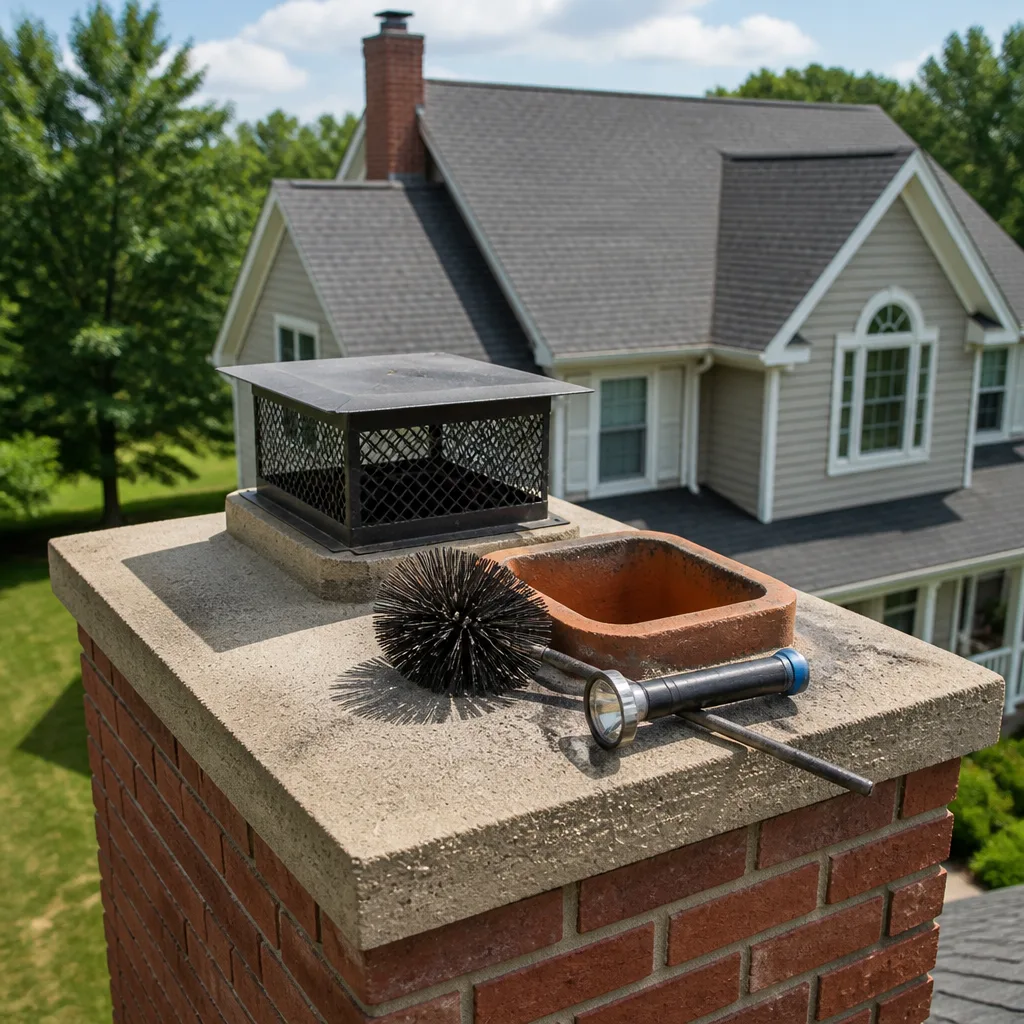 Sweep & inspection
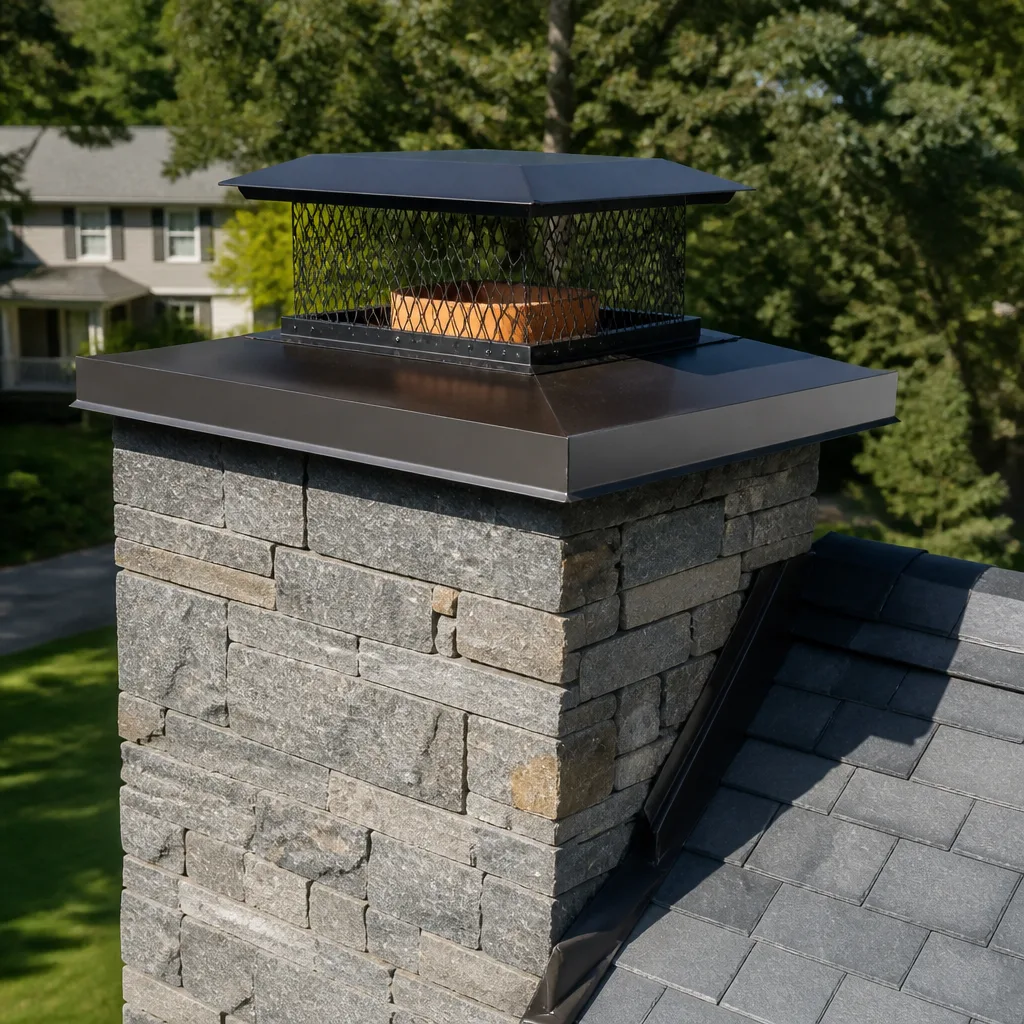 Caps & crowns
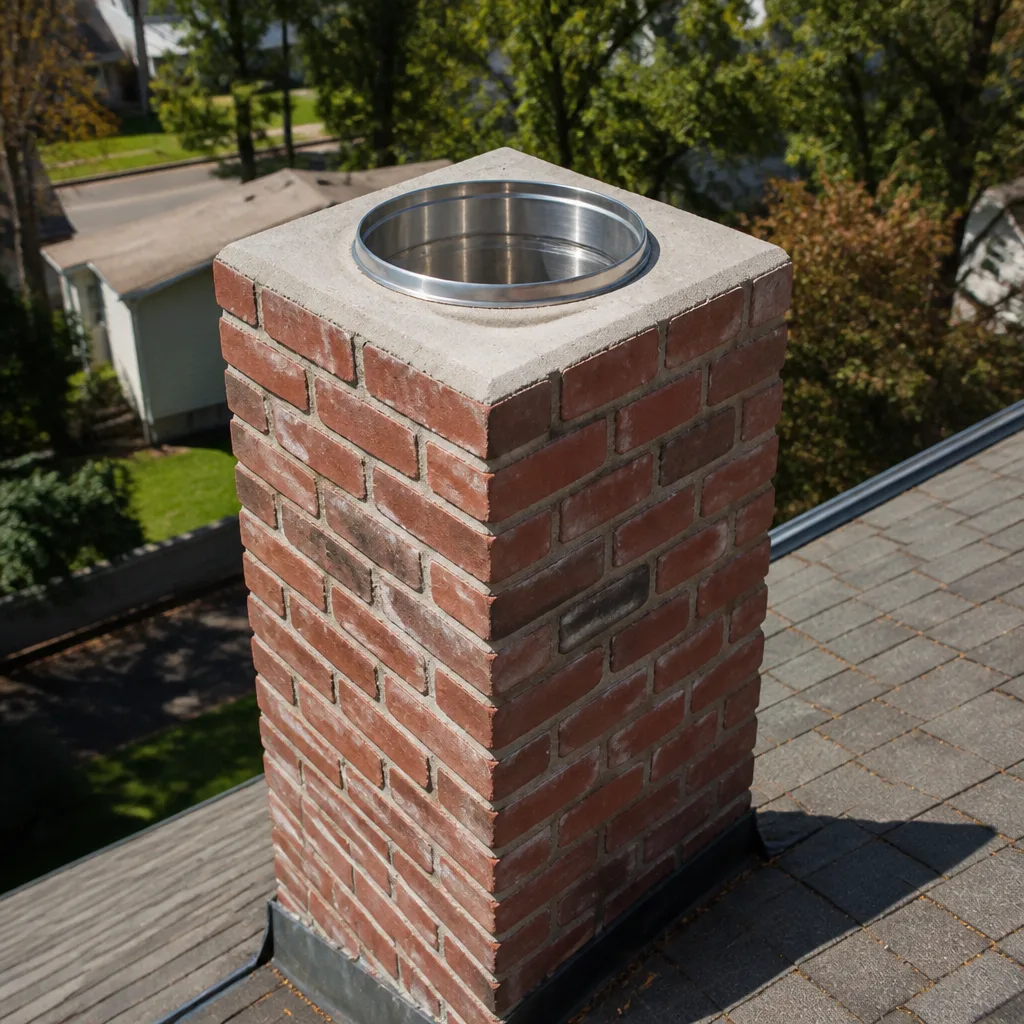 Flue relining
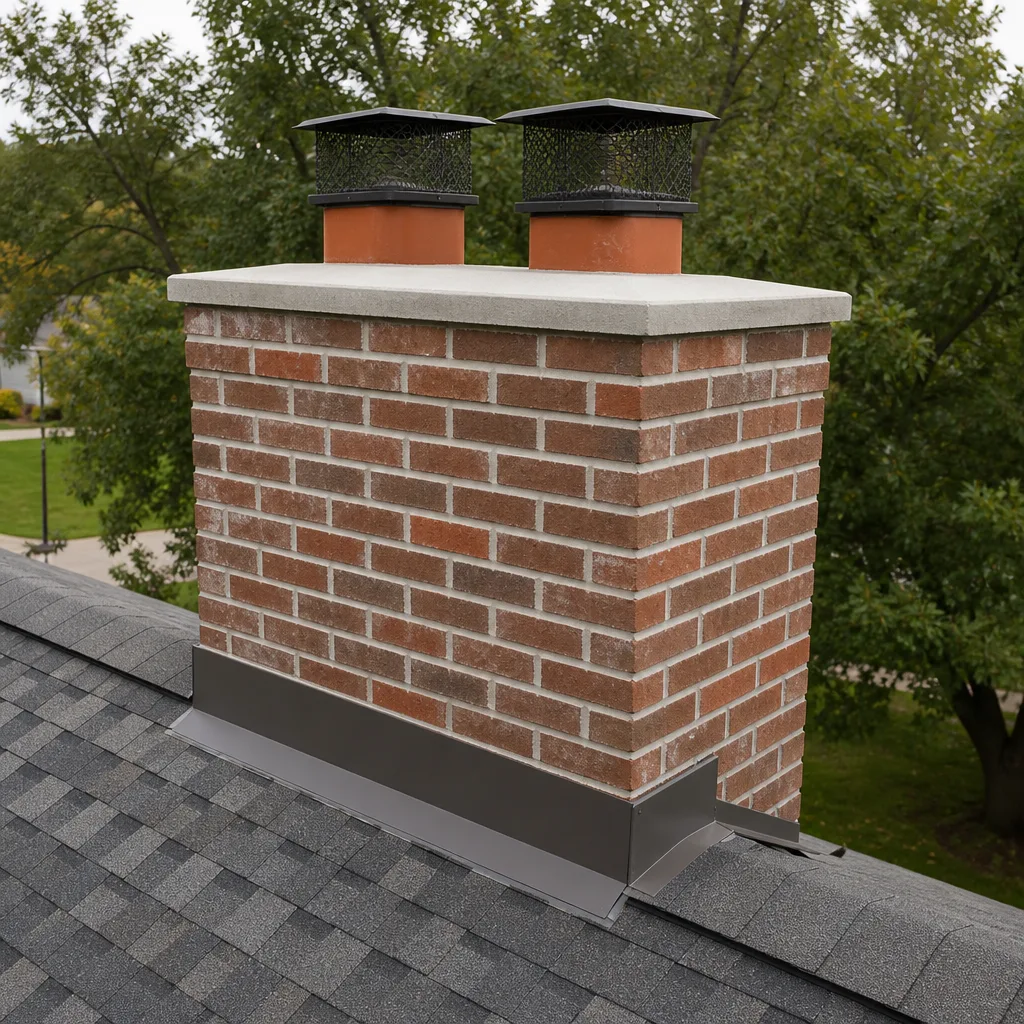 Masonry repair
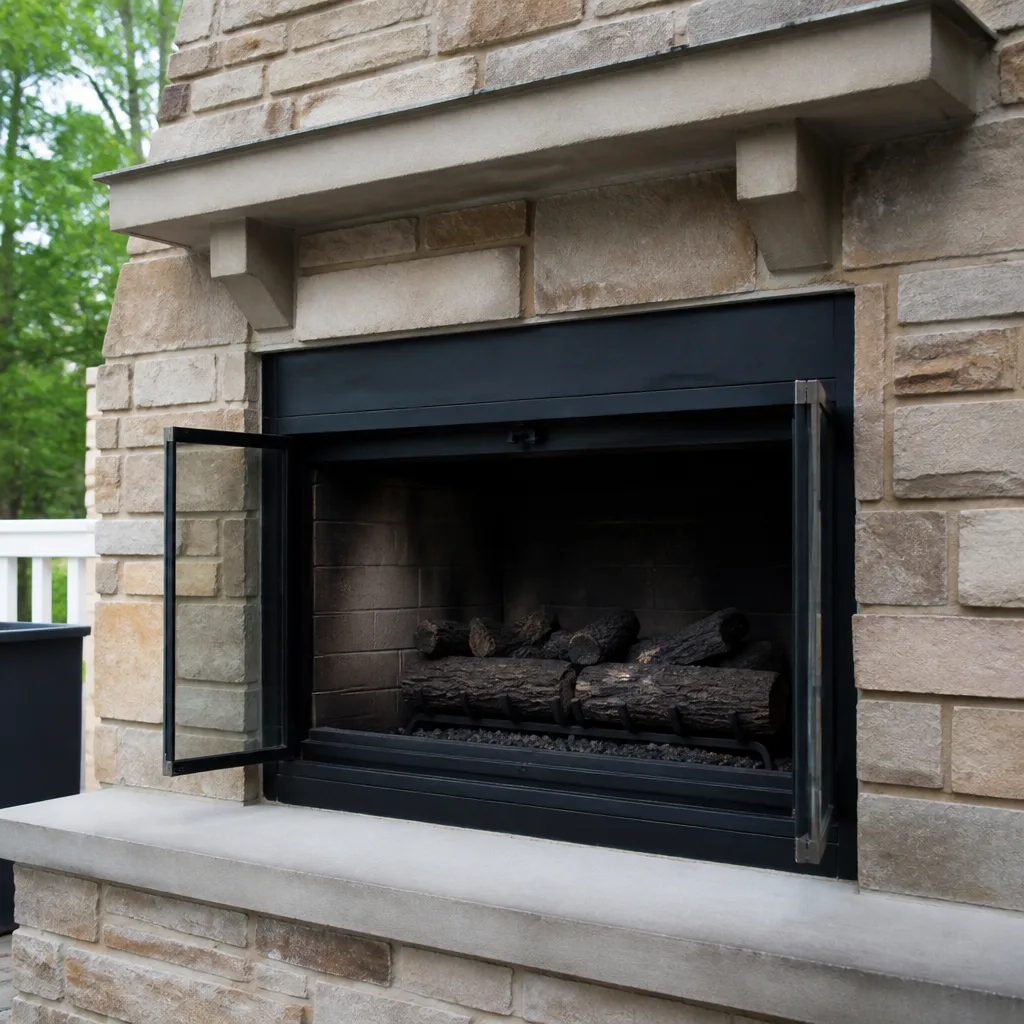 Gas fireplace service
Level 1 sweep and inspection to the NFPA 211 annual standard - flue, crown, cap, and flashing checked and photographed
Chimney sweep logs do not sweep chimneys. They loosen some creosote - which then falls where a brush and vacuum still have to collect it.
DIY vs Professional Chimney Cleaning: The San Jose Homeowner’s Decision Guide
Every fall, hardware stores in San Jose sell thousands of chimney cleaning kits. Brushes, rods, drop cloths, gloves. They’re real tools. They do real work. But the kit on the shelf answers one question: how do I scrape creosote off the flue walls? It does not answer the question that actually matters: what’s happening behind the creosote? That’s the gap this guide closes. We’ll walk through what a DIY sweep can genuinely accomplish, what it structurally cannot, and the specific points where San Jose homeowners hit a hard stop without professional equipment and trade-grade materials.
Quick Answer
DIY chimney cleaning can remove light, stage-one creosote from an accessible flue, but it cannot perform the diagnostic work that determines whether your chimney is actually safe to use. In San Jose, where older masonry chimneys and manufactured fireplaces both appear in large numbers, a professional sweep includes camera inspection, liner evaluation, and smoke chamber assessment that no brush kit addresses. The short version: clean it yourself if you want, but not without a professional inspection on a regular schedule.
Styles & brands we work with
- Sweep & inspection
- Caps & crowns
- Flue relining
- Masonry repair
- Gas fireplace service
Table of Contents
- What a DIY Chimney Sweep Actually Accomplishes
- The Inspection Gap: What Your Brush Can’t See
- San Jose-Specific Factors That Change the Math
- The Insurance and Liability Angle Nobody Explains
- A Simple Decision Matrix for San Jose Homeowners
- What Happens When Cleaning Reveals Damage
- What Actually Costs More: A Cost Comparison
- Common Mistakes to Avoid
- When to Call a Professional
- Frequently Asked Questions
What a DIY Chimney Sweep Actually Accomplishes
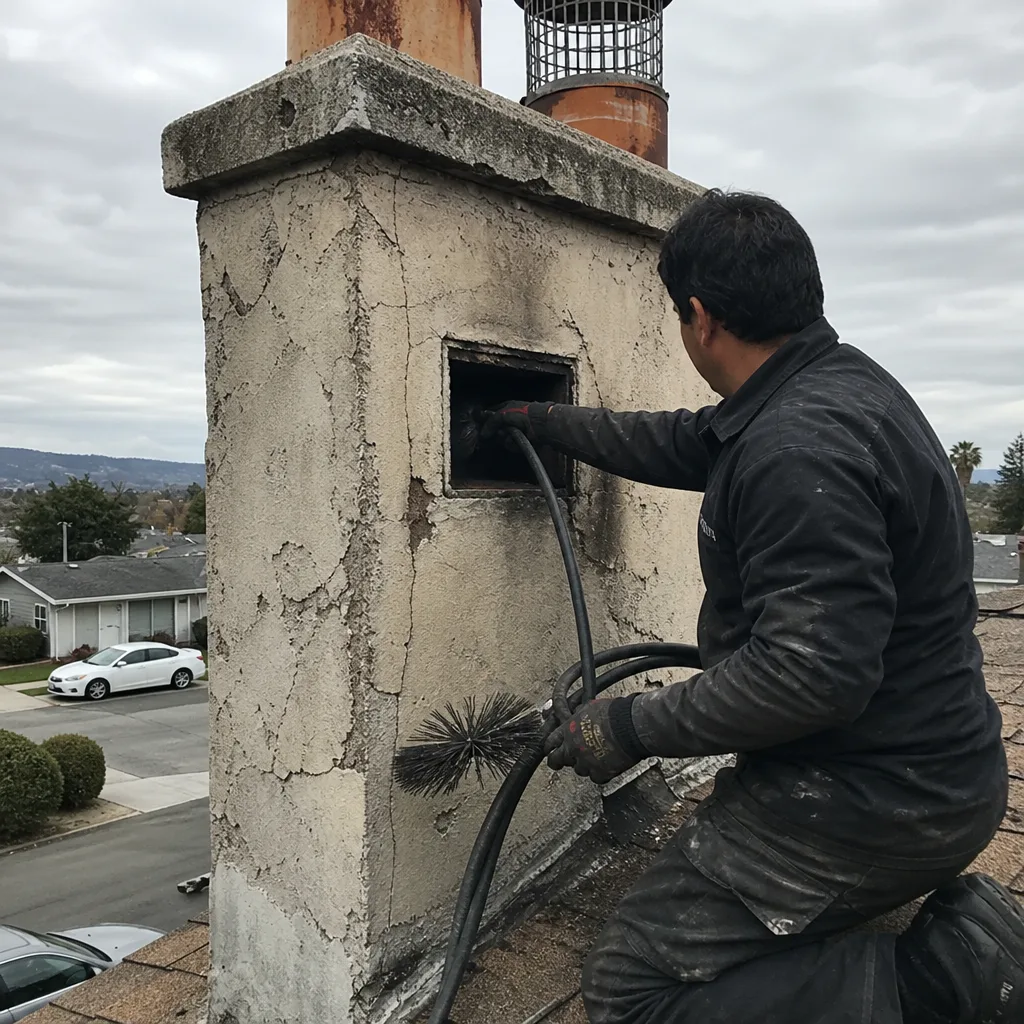
Let’s be honest about what the brush kit does well. A polypropylene brush on flexible rods, run up and down a flue, removes loose and lightly adhered creosote. Not all creosote is the same. The National Fire Protection Association recognizes three stages. Stage one is a fluffy, sooty deposit that brushes off with relative ease. Stage two is a granular, crunchy layer that has begun to harden. Stage three is a glossy, tar-like glaze that is chemically bonded to the flue wall. A homeowner brush handles stage one. It does not handle stage two or three effectively, and in some cases, aggressive brushing of stage three glazing without the right chemical treatment can score or damage the flue liner.
In our experience serving San Jose homes across Blossom Valley, Willow Glen, Cambrian, and Almaden, the single biggest variable is burn habits. A homeowner who burns seasoned oak or almond and has a modern EPA-rated insert will see stage-one accumulation even after a full season. A homeowner who burns unseasoned pine in a traditional open fireplace can develop stage-two creosote inside a single winter. San Jose’s relatively mild winters mean short burn seasons, but they also mean fireplaces are used intermittently, which causes thermal cycling; the flue heats and cools, expands and contracts, and creosote that would have burned off flaked away instead.
DIY sweeping also carries a mess-management burden that the box store kit photographs tend to understate. Soot is fine, adhesive, and gets everywhere. Proper DIY sweeping from the top down requires roof access, which means a ladder, roof-grade footwear, and comfort working at height on what might be a two-story San Jose roofline. Sweeping from the bottom up, through the firebox, keeps you off the roof but forces soot downward into the room. Professional sweeps use industrial HEPA vacuums with negative-air pressure setups, and they still expect to manage fine particulate. A standard shop vac with a drywall filter bag is not adequate and will blow microfine soot through your living room.
The Inspection Gap: What Your Brush Can’t See
Here is the core problem with the DIY-versus-professional framing: cleaning is mechanical. Inspection is diagnostic. A homeowner with a brush can perform the first. No amount of YouTube preparation equips a person to perform the second without the right tools and several hundred supervised hours looking at what cameras reveal.
A professional chimney sweep in San Jose performs a structured inspection as part of every cleaning. The brush work takes forty minutes. The inspection takes longer, and it includes the following steps that no retail kit contains.
Video scanning of the full flue run. A camera on a push rod or tether is fed from the firebox to the termination. The video reveals cracks in clay tile liners, offset joints where tiles have shifted, gaps in mortar, and areas where the liner has spalled away. These are not theoretical problems. A cracked clay liner exposes combustibles in the chimney chase to flue temperatures. In San Jose’s older housing stock, homes built in the 1960s and 1970s in neighborhoods like Edenvale and South San Jose often have original masonry chimneys with unlined or poorly lined flues.
Smoke chamber evaluation. Above the damper and below the flue sits the smoke chamber, a corbeled area of brick that is often the most neglected part of any masonry chimney. Smoke chamber walls are rough, catch creosote readily, and are nearly impossible to access and inspect thoroughly without a camera. Many chimney fires start here, not in the flue itself.
Firebox refractory panel assessment. The firebox takes direct flame exposure. Refractory panels crack under repeated heating and cooling. A homeowner can see a cracked panel in the firebox, but evaluating whether that crack is cosmetic or structural requires knowing how the panel system was constructed and how it’s anchored.
Flashing and termination point review. San Jose gets roughly fifteen inches of rain annually, all of it in a compressed winter window. Leaky flashings and a failed chimney cap or crown invite water intrusion that does not announce itself. Water damage shows up as rusted dampers, efflorescence on interior brick, and in the worst cases, flue liner deterioration caused by acidified water. Missing or damaged spark arrestors are also common. A professional inspection looks at the top of the chimney, not just the inside of the flue.
None of this is visible to a person shoving a brush up the flue from the living room.
San Jose-Specific Factors That Change the Math
San Jose’s climate and housing stock differ from most of the Bay Area in ways that matter for chimney maintenance. Understanding these local conditions should shape any decision about DIY versus professional work.
Wood-burning restrictions. The Bay Area Air Quality Management District restricts wood burning on Spare the Air days, which regularly occur during San Jose’s winter inversion season. When wood burning is allowed, the importance of burning dry, seasoned wood rises, because damp wood produces more smoke, more particulate, and more creosote. A clean flue and a properly functioning damper help minimize the smoke that does exit. A dirty flue makes a bad air-quality situation worse.
Housing stock reality. San Jose has two distinct chimney populations. The first is the pre-1980 masonry chimney, typically built with unlined or clay-tile-lined flues, often attached to homes in the central and northern neighborhoods. The second is the manufactured fireplace, the factory-built metal unit common in the tracts built during San Jose’s rapid expansion from the 1980s through the 2000s, especially in South San Jose and Evergreen. These two populations have completely different maintenance profiles, and the DIY equation looks different for each.
Manufactured fireplaces change the DIY risk. A factory-built fireplace has thinner metal components than a masonry chimney. The flue pipe is often double-wall or triple-wall stainless, but it degrades. Metal fatigue, warped inner liners, and failed refractory panels inside the firebox show up earlier than owners expect. A DIY cleaning on a manufactured unit can easily push a brush through a deteriorated inner liner because the metal looks solid from the top but is paper-thin at the joints. This is a specific, preventable cause of chimney failure that homeowners in South San Jose’s post-1980 tract homes should understand.
Wood type matters here. Bay Area firewood supplies include a lot of eucalyptus and unseasoned oak. Eucalyptus burns hot but produces heavy oily deposits. Unseasoned oak burns cool and smoky. Both accelerate creosote accumulation faster than the average homeowner expects. The firewood you buy from a roadside seller on Monterey Road is not the same as kiln-dried firewood from a dedicated supplier.
Our Chimney Sweep in Blossom Valley service regularly finds stage-two creosote in fireplaces that were “cleaned” by homeowners the previous season, because the brush removed the surface layer and left the hardened deposits behind.
The Insurance and Liability Angle Nobody Explains
Here is a conversation most San Jose homeowners never have until after a fire. Insurance companies do not deny chimney fire claims out of hand, but they investigate. When a chimney fire occurs, the claim adjuster asks for maintenance records. If the homeowner cleaned the chimney themselves, there is no documentation. No dated report. No photographic evidence of the before-and-after condition. No third-party witness to what was found.
Compare that to a professional sweep and inspection. The homeowner receives a written report, often with still images from the video scan. If a fire happens later, the homeowner can demonstrate that a certified professional swept and inspected the system on a dated, documented schedule. That documentation matters in claim disputes where the insurance company argues negligence or failure to maintain.
This is not abstract. Chimney fires are common enough that every major homeowners insurer has a protocol for them. The claim outcome frequently turns on the difference between “the homeowner said they cleaned it” and “the homeowner has a written professional inspection report.”
The same logic applies to real estate. In San Jose’s market, home inspectors typically flag chimneys for further evaluation. A seller who can produce professional sweep and inspection reports removes a negotiation point and closes faster. A seller who cannot produce records is asking the buyer to take the chimney on faith. The DIY path erases the paper trail.
There is also a liability angle that is easy to miss. If a homeowner performs their own chimney cleaning, skips something important, and the house later catches fire, they own that outcome personally. If the same home is serviced by a professional who was negligent, the homeowner has recourse through the business’s insurance and licensing. Professional service exists partly as a mechanism for transferring risk.
A Simple Decision Matrix for San Jose Homeowners
DIY chimney cleaning is not automatically wrong. It is wrong in many more situations than a homeowner might realize. Here is a decision matrix, based on what we see across San Jose service calls, that separates the reasonable DIY cases from the cases that should start with a professional.
DIY is reasonable only when all three of the following are true:
- You own a factory-built fireplace or insert under five years old. The unit is recent enough that liner and refractory components are unlikely to have degraded, and you have documentation of light seasonal use. Lighter use means less creosote and less thermal stress.
- You can safely access the flue from the roof. This means a proper extension ladder, roof-grade footwear, and no fear of working at height. If the chimney is on a steep roofline, or you are not comfortable on a ladder for extended periods, do not start.
- You combine the DIY cleaning with a professional inspection every other year. Your brush work removes surface creosote. The professional inspection handles the diagnostic work your equipment cannot. This is the only way to keep the paper trail and the safety assessment current.
DIY is not reasonable when any of the following are true:
- Your home has a masonry chimney built before 1980 with a clay tile liner. These systems are prone to hidden joint separation and spalling that a brush cannot detect.
- You burn unseasoned wood or eucalyptus regularly. Both produce unusual creosote loads.
- You see any of the following: cracked firebox panels, white staining on the chimney exterior, rust at the damper, or smoke entering the room during normal use.
- You have not had any professional inspection in the past three years. If you do not know the condition of the liner, you are cleaning blind.
- Your home uses a gas fireplace. Gas logs produce different residues, and combustion byproducts from gas fireplaces include acidic condensate that attacks metal components. The inspection needs are different from wood systems.
The Chimney Sweep Blossom Valley home page explains our service philosophy in more detail, but the essential point is this: DIY cleaning can be a complement to professional inspection, never a replacement for it.
What Happens When Cleaning Reveals Damage
A professional chimney sweep does not just clean. The sweep reports. And what that report often reveals in San Jose homes is some degree of liner damage, particularly in the older masonry stock. That is where the DIY path really dead-ends, because the materials and methods required to fix a damaged liner are not sold at retail.
Consider what a professional sees in a cracked clay tile flue. The fix options are structural and trade-specific. One option is a full stainless steel relining with a product like DuraFlex, the flexible stainless liner system that certified chimney professionals install. It cannot be purchased at a hardware store, and installing it correctly requires specialized tools, sizing measurements, and a working knowledge of flue gas dynamics. A homeowner cannot DIY this responsively.
A second option, and one fewer companies in San Jose offer, is HeatShield resurfacing. HeatShield is a cerfractory material that restores the flue liner’s internal surface without tearing out the old clay tiles. It is applied by trained technicians using specialized spray equipment. Like DuraFlex relining, HeatShield is not a consumer product. We stock and install HeatShield specifically because it saves homeowners the cost of full masonry tear-out when damage is moderate. That option only exists because a professional cleaning surfaced the problem before it progressed.
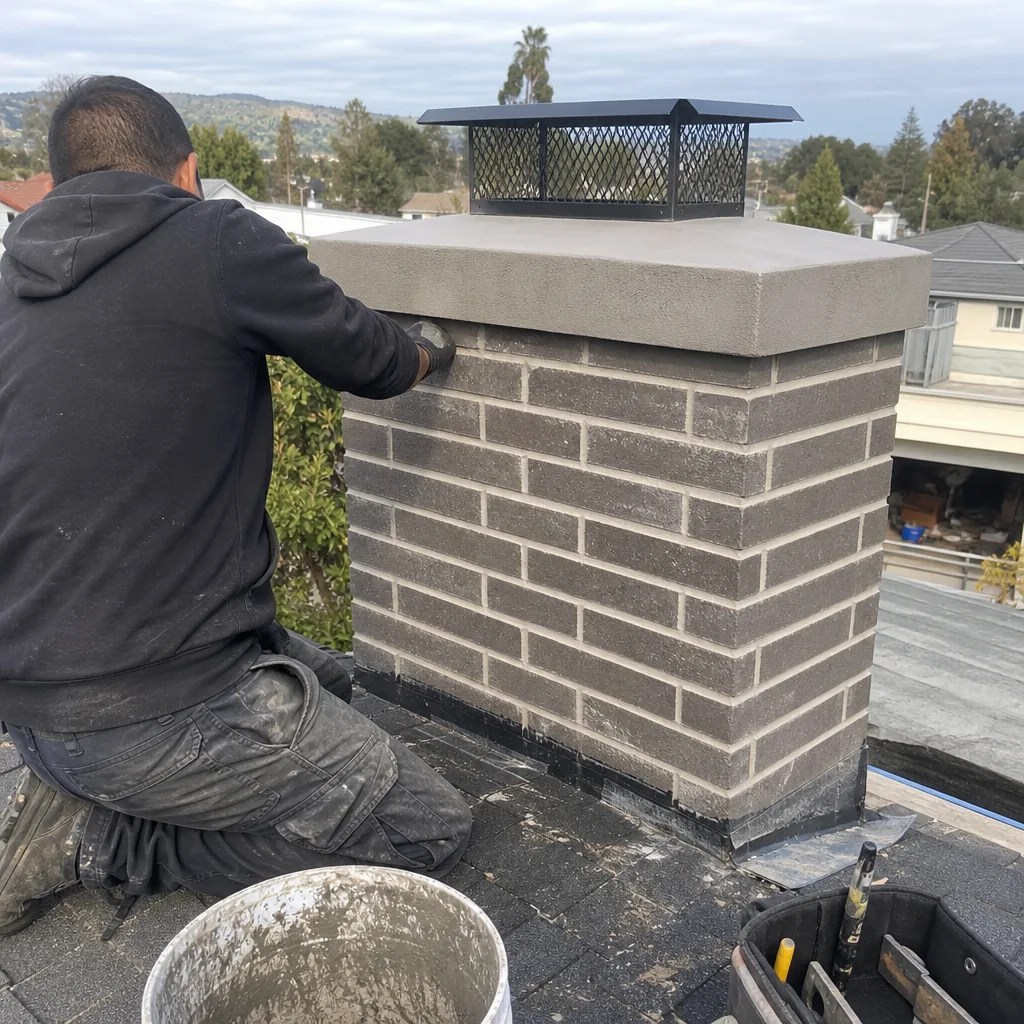
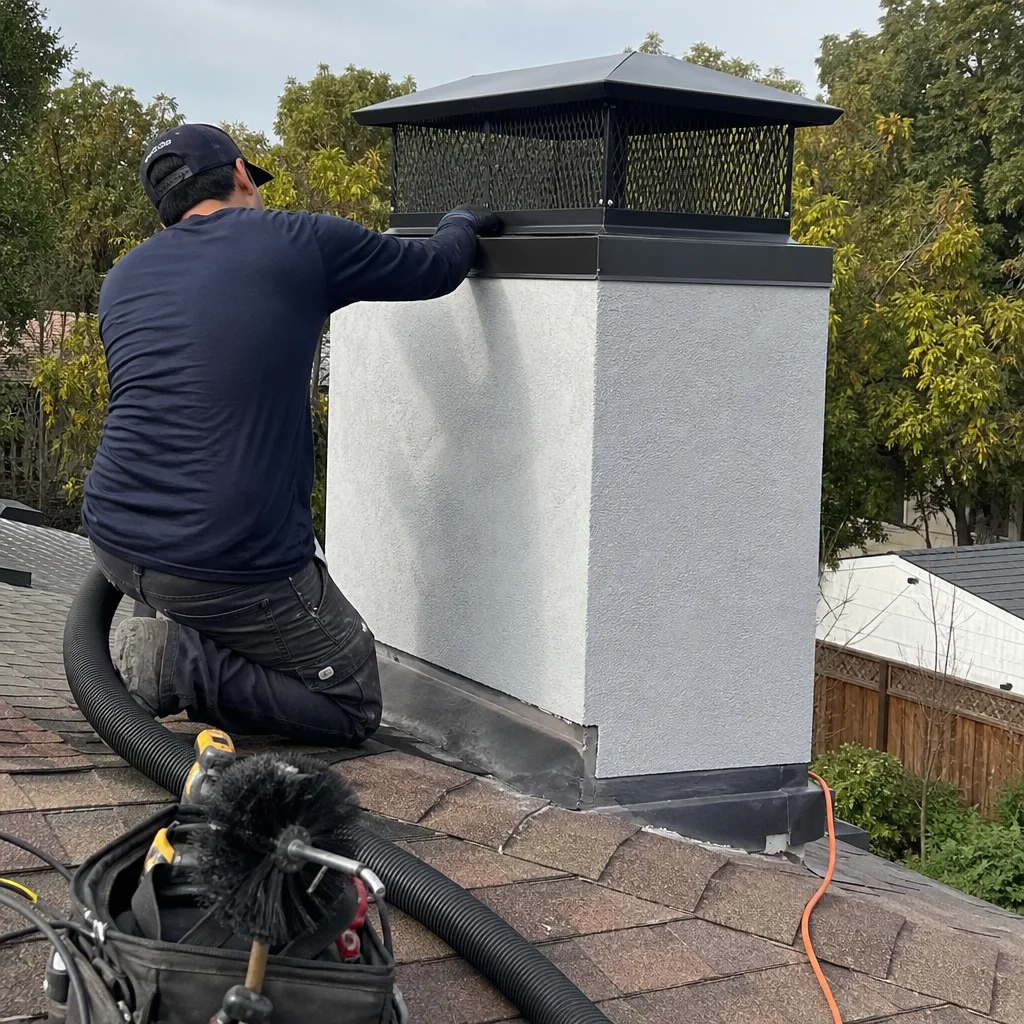
Termination point failures introduce another set of trade products. A cracked chimney crown or a failed cap needs replacement with purpose-built components. Famco and Copperfield manufacture the caps and terminations that chimney trade professionals use. The big-box store cap is a generic afterthought that often fails in a single winter storm. A professional cap is sized to the flue, anchored properly, and designed to keep out rain, embers, and animals.
This is the real hidden cost of the DIY path. A homeowner who cleans the flue themselves sees a “clean” chimney and stops. No camera. No liner check. No cap evaluation. Eighteen months later, what was a repairable liner crack has become a flue gas leak into the chase, and the repair bill has tripled. The cleaning was never the point. The point is what the cleaning reveals, and only inspection reveals it.
What Actually Costs More: A DIY vs Professional Cost Comparison
San Jose chimney sweep prices range broadly depending on the system type, the level of creosote buildup, and whether the home is in a single-story or two-story structure. For detailed pricing factors, see our Chimney Cleaning Cost Breakdown: The San Jose Homeowner’s Reference for 2026. A standard sweep and inspection for a single-flue masonry chimney typically runs from $180 to $350 in this market. A manufactured fireplace sweep runs slightly less. Add a Level 2 camera inspection, which is standard for real estate transactions or post-fire evaluation, and the total can reach $400 to $600.
A DIY kit from a hardware store costs between $40 and $150, depending on rod length and brush type. That is the number most homeowners compare. But the honest comparison is not kit versus sweep. It is kit versus sweep plus inspection, because the sweep without the inspection is not a service worth buying. And when you add the inspection, the professional provides something the kit never can: a documented condition report.
Here is the structured comparison as we see it in San Jose service calls:
- Brush kit, polypropylene, 24-foot rods: $40-$150. Removes stage-one creosote. No diagnostic capability. No documentation.
- Shop vacuum with drywall filter: $80-$200 if you do not already own one. Still not adequate for fine soot control.
- Professional sweep with inspection report: $180-$350. Includes creosote removal, damper function check, smoke chamber evaluation, firebox review, and a written condition statement.
- Professional sweep with camera scan: $300-$500. The full diagnostic. Photo documentation. The standard of care.
- HeatShield crack repair or DuraFlex relining when damage is found early: several hundred to several thousand dollars, depending on flue height and access. Almost always cheaper than masonry rebuild.
- Masonry rebuild after a neglected chimney fire or water-damaged structure: $8,000-$20,000 in the San Jose market. This is the number that makes a $300 inspection look trivial.
We tell San Jose homeowners the same thing regardless of their budget: the cheap path is inspection. The expensive path is not knowing. A cracked liner that gets caught in March can often be addressed with a liner repair before next fall. A cracked liner that goes unnoticed for three more burning seasons can turn a repairable problem into a structural one.
If your home is in Blossom Valley, the relevant page is our Chimney Repair in Blossom Valley service, which covers liner repair and replacement with the trade-grade materials discussed above.
Common Mistakes to Avoid
- Assuming the brush kit is enough. The kit cleans. It does not inspect. Cleaning without inspection is how chimney fires happen in homes where the owner says “I cleaned it last fall.”
- Using a standard shop vacuum for soot. Fine soot passes through standard filters and re-enters your living room air. Professional sweeps use HEPA-filtered negative-air systems for a reason.
- Burning unseasoned wood in San Jose’s intermittent burn season. The flue never gets hot enough to dry out the deposits, so creosote accumulation accelerates. Seasoned hardwood only, stored dry.
- Ignoring the smoke chamber. This is the single most common location for hidden chimney fire origin. It is nearly impossible to inspect without a camera.
- Brushing a manufactured fireplace with standard masonry rods. Factory-built chimneys have tighter tolerances and thinner walls. The wrong brush size can damage the inner liner.
- Missing the venting connection. A chimney is part of a larger exhaust system. Dryer vents share the same fire-risk profile, and a home with a clogged dryer vent is at risk even if the fireplace is spotless. Learn more about our Dryer Vent Cleaning in Blossom Valley service.
- Cleaning from a wet roof. San Jose’s winter rains make tile and composition shingle roofs slick. A chimney cleaning in February is not worth a fall that puts you in Valley Medical Center.
When to Call a Professional
Call a professional chimney sweep in San Jose when any of the following apply: you have a masonry chimney, especially one built before 1980; you have not had the system inspected in more than two years; you see cracked firebox panels, water stains, or rust at the damper; you burn wood more than twice a month during the winter; you smell smoke inside the home after a fire has been extinguished; or you are preparing to sell and need documentation. All of these situations require equipment and interpretation that a brush kit cannot provide. For more guides & resources, visit our blog. Chimney Sweep Blossom Valley offers free estimates in San Jose. Call (833) 593-5179 to schedule a sweep and inspection.
Frequently Asked Questions
A standard chimney sweep and inspection in San Jose typically costs between $180 and $350 for a single-flue masonry chimney, with manufactured fireplaces running slightly less. A full camera inspection may add $100 to $200. Prices vary by flue height, roof access, and creosote condition. Call (833) 593-5179 for an exact quote, and we will provide a flat price before any work begins.
You can remove light, stage-one creosote yourself if you have a factory-built unit under five years old, safe roof access, and a professional inspection every other year. What you cannot do yourself is assess the liner, smoke chamber, flashing, or firebox for hidden damage. DIY cleaning without professional inspection is the most common pattern in chimney fires we see in San Jose.
Creosote builds up in stages. Stage one is manageable. Stage three is a glaze that catches fire at flue temperatures. A chimney fire can crack the liner, spread into the chimney chase, and in the worst cases, breach into the attic. Carbon monoxide is a quieter risk. A partially blocked flue sends combustion gases back into the home.
A standard sweep without a camera is a partial service. The camera is the only way to assess the flue liner’s condition, and the liner is the component that contains fire and flue gases. If you are buying a home in San Jose, a Level 2 camera inspection is the standard of care. If you are maintaining your own home, a camera inspection every few years catches problems while they are cheap to fix.
HeatShield is a cerfractory flue liner repair material that restores damaged clay tile liners without a full masonry rebuild. It is applied by trained technicians and is not sold at retail. When a professional cleaning reveals liner cracks, HeatShield can often be the difference between a moderate repair bill and a five-figure structural rebuild.
The National Fire Protection Association recommends a professional inspection at least once per year, with cleaning performed whenever creosote buildup reaches one-eighth of an inch. In San Jose’s short burn season, most wood-burning homeowners need a sweep every one to two years. Gas fireplaces still need an annual inspection for venting, condensation, and component wear.
The Bottom Line
The DIY-versus-professional chimney cleaning question is not really a question about skill. It is a question about diagnostics. A homeowner can remove surface creosote with a brush kit. A homeowner cannot see what is behind that creosote, above the smoke chamber, or on top of the chimney cap without professional equipment. In San Jose, where older masonry chimneys and newer manufactured fireplaces coexist, the risks vary widely by home age, wood type, and burn habit. The honest answer: clean your own chimney if the conditions are right, but never use DIY cleaning as a substitute for a professional inspection. The brush kit removes what you can see. The inspection finds what you cannot.
Written by the team at Chimney Sweep Blossom Valley, serving San Jose since 2014.
See the difference
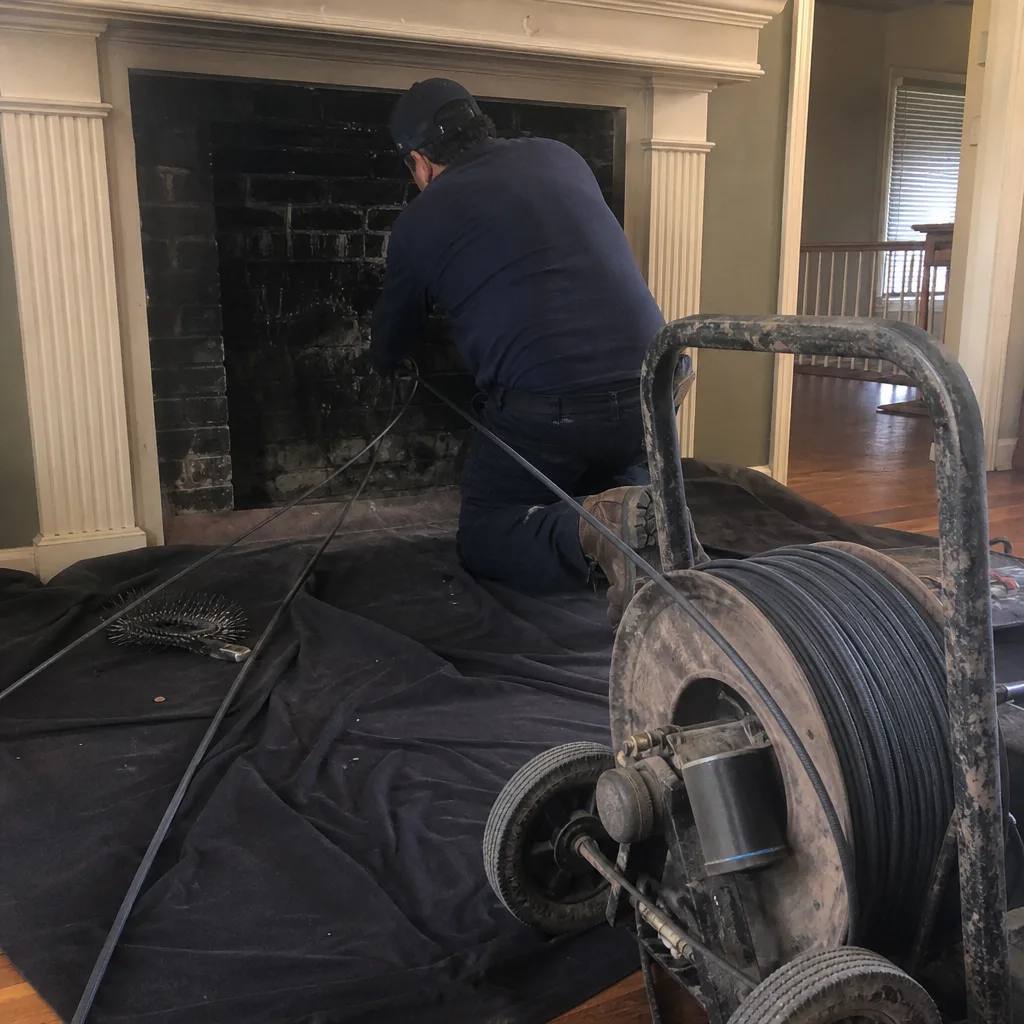 Before
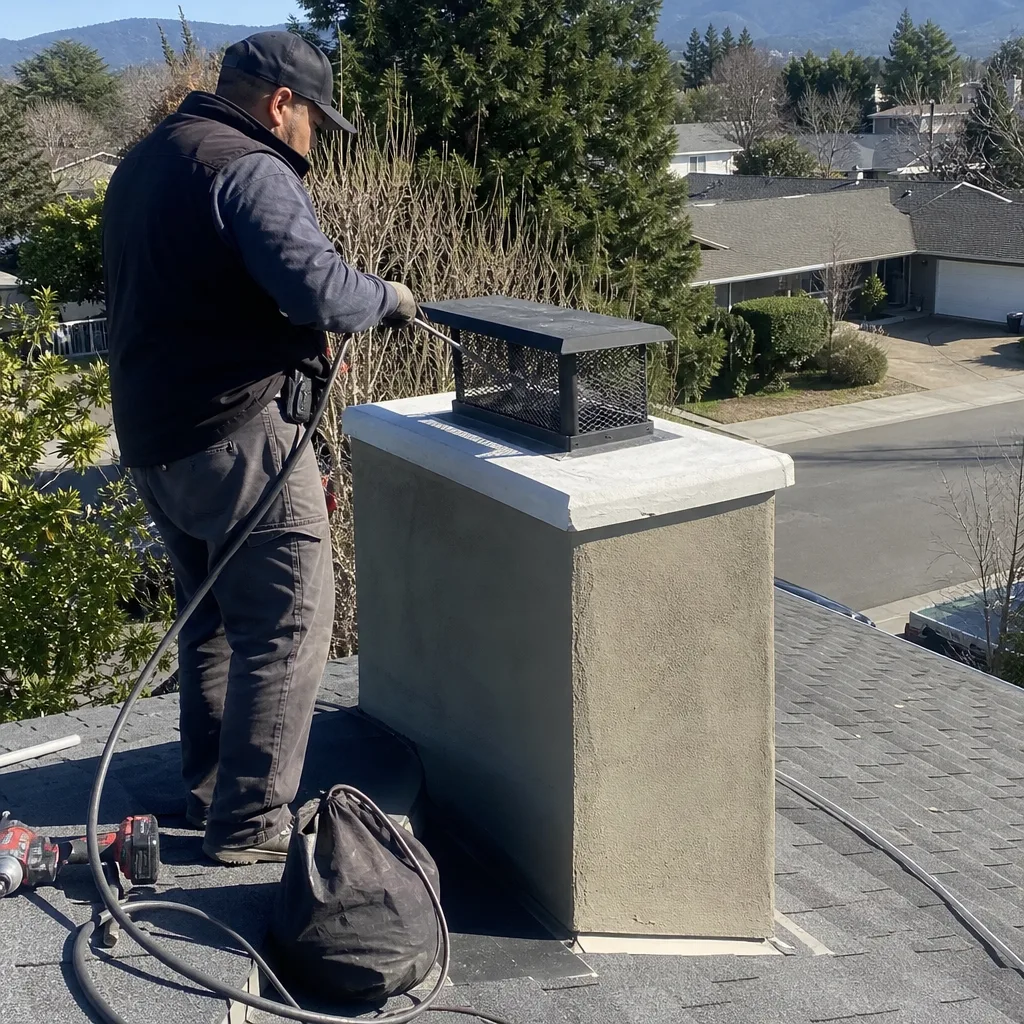 After
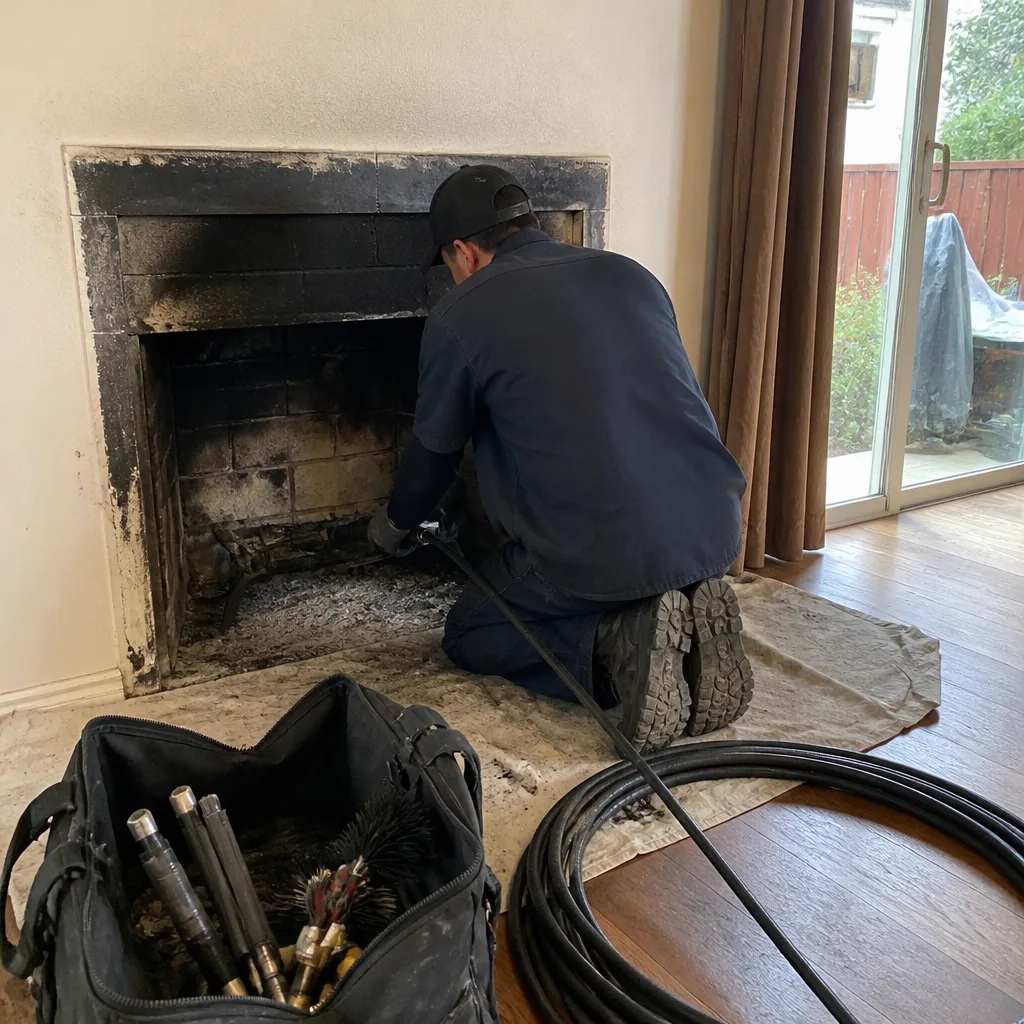 Before
 After
 Before
 After