
Last updated November 2, 2026
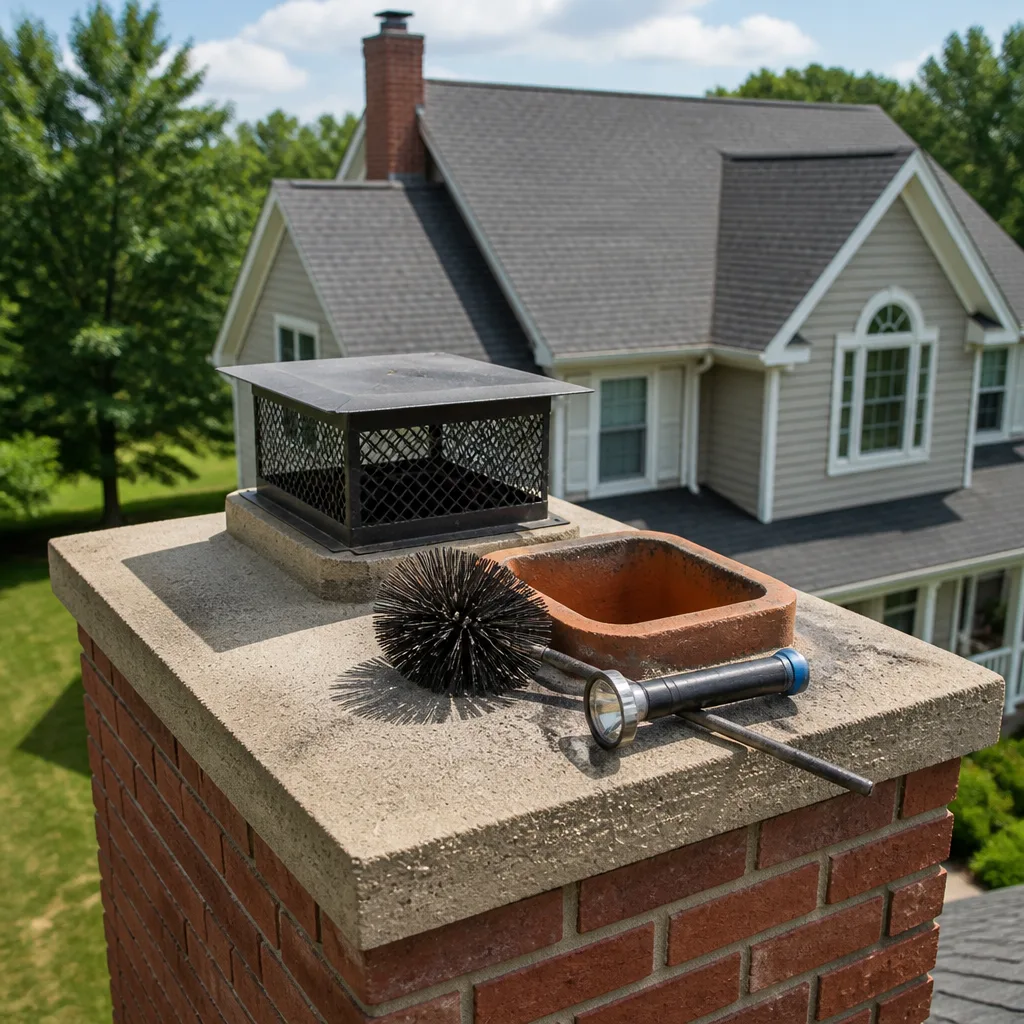 Sweep & inspection
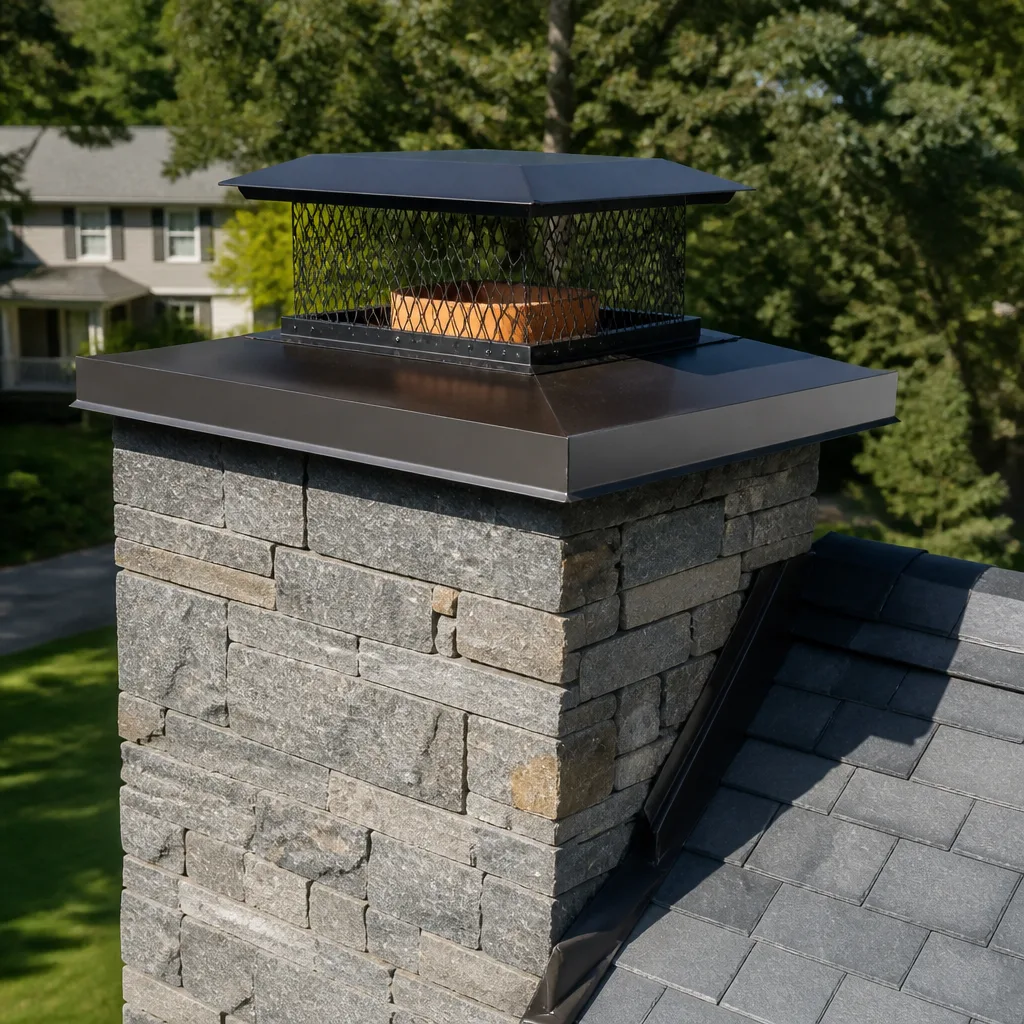 Caps & crowns
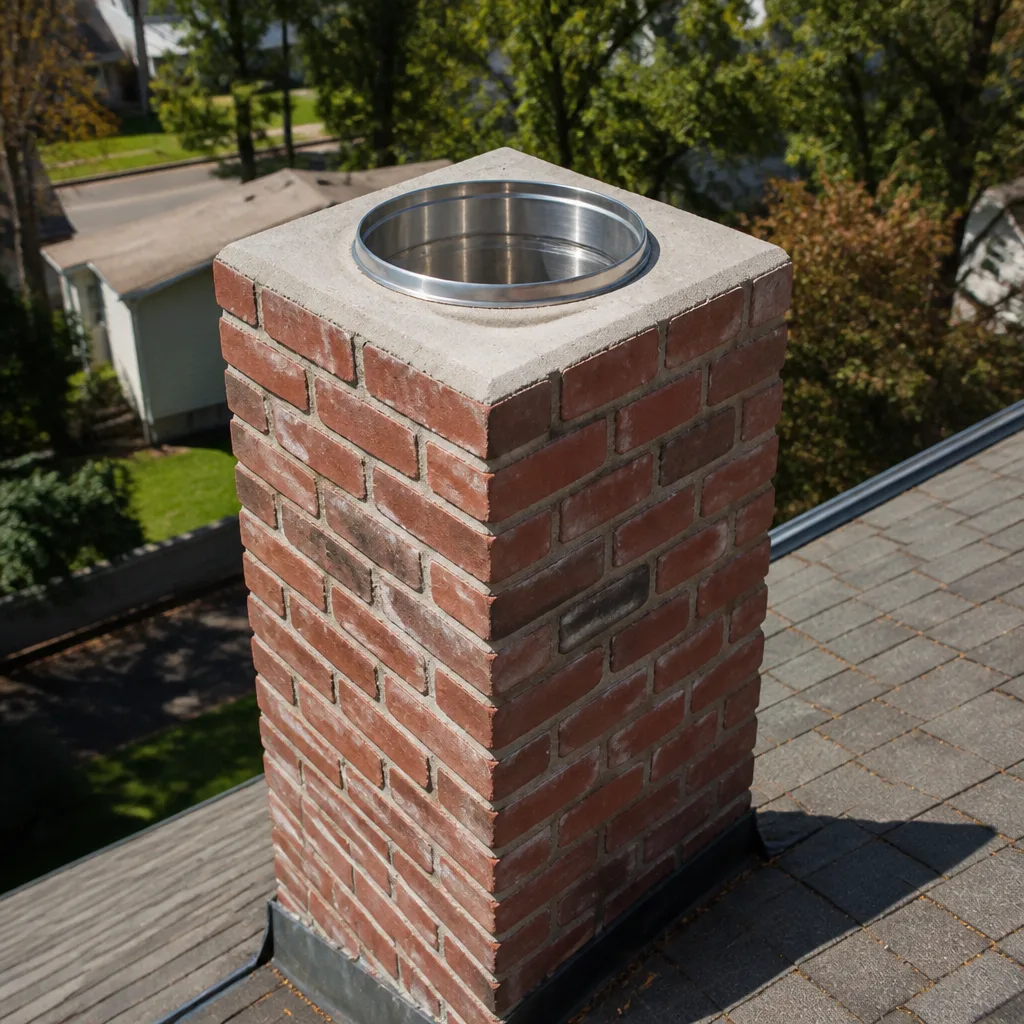 Flue relining
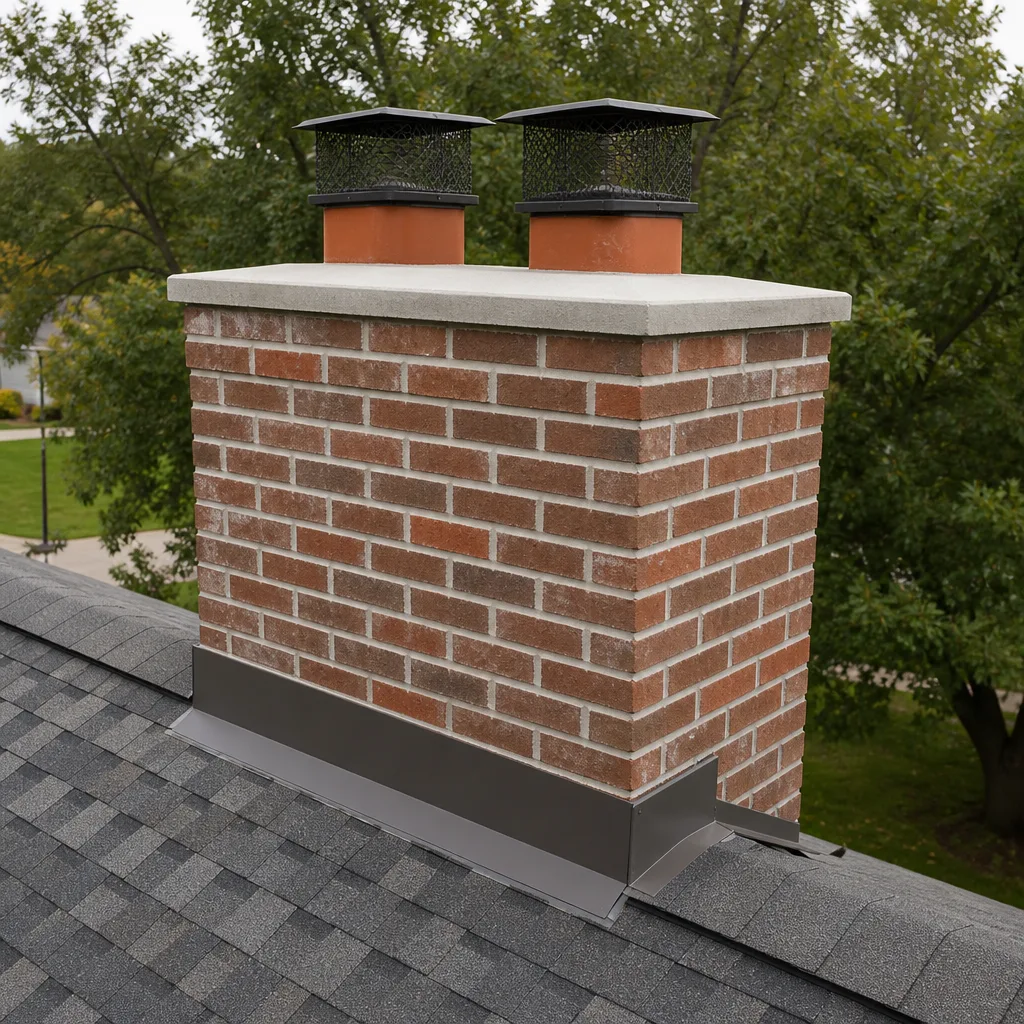 Masonry repair
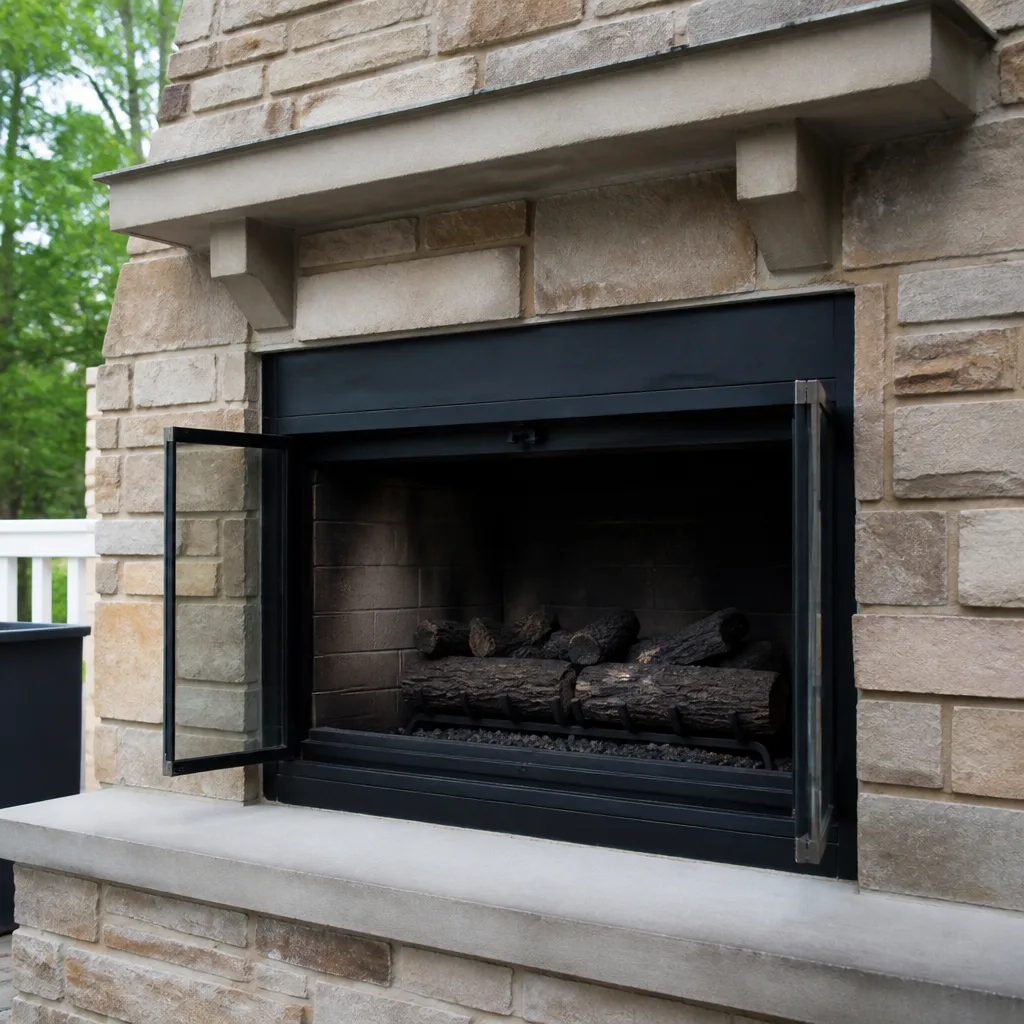 Gas fireplace service
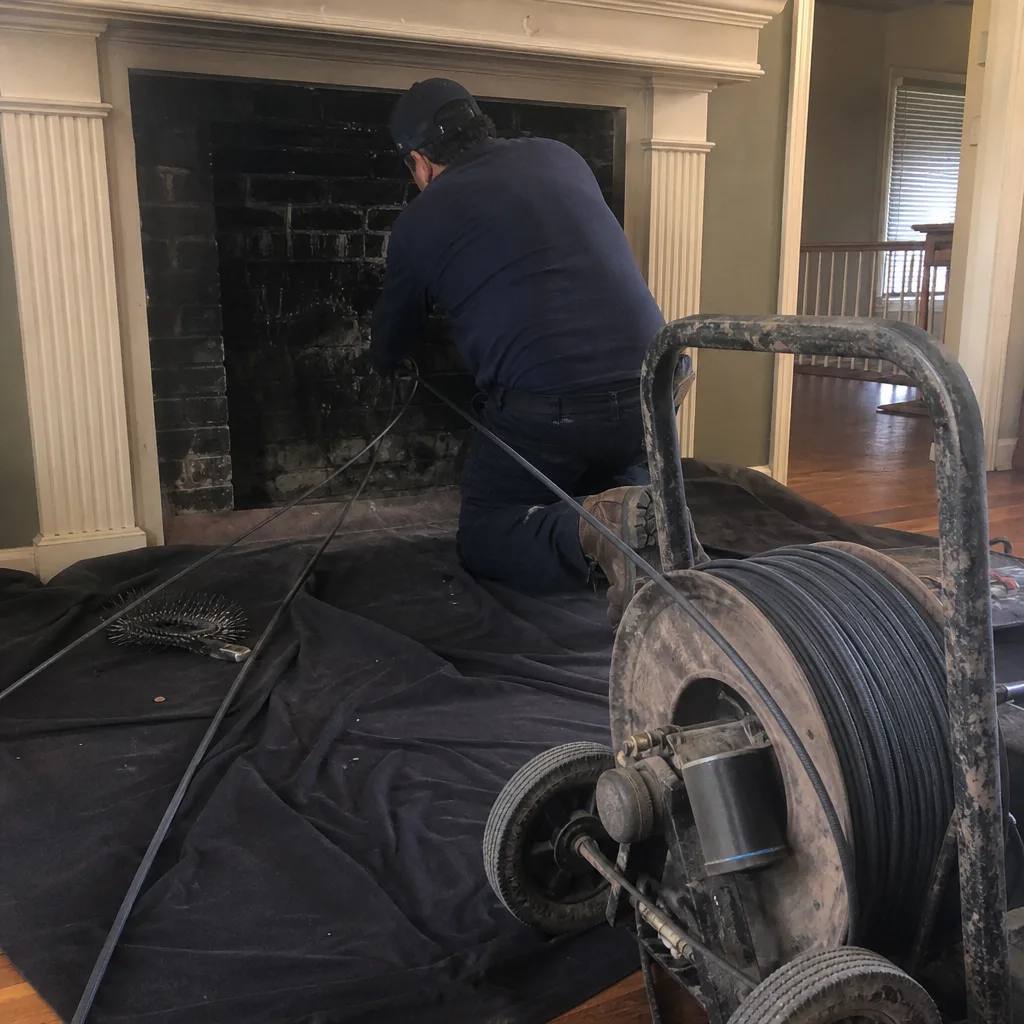
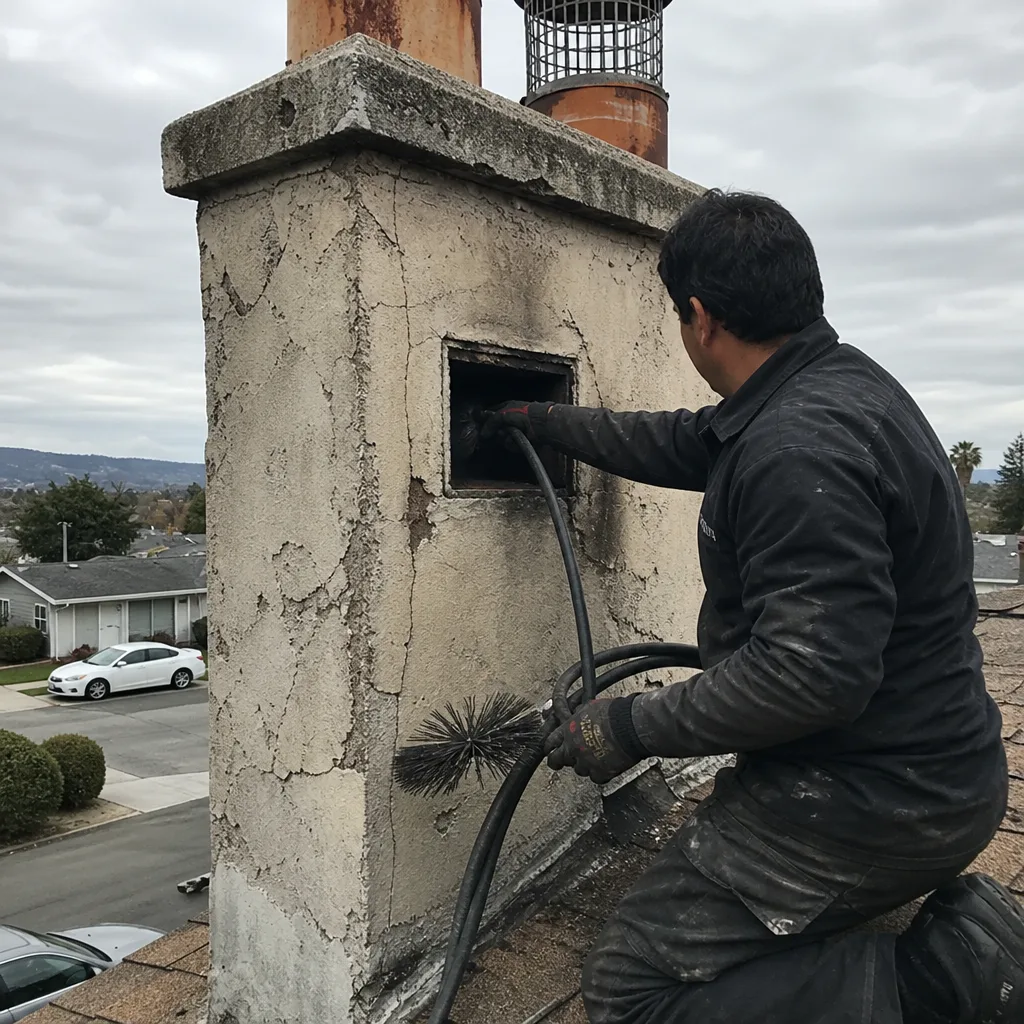
Level 1 sweep and inspection to the NFPA 211 annual standard - flue, crown, cap, and flashing checked and photographed
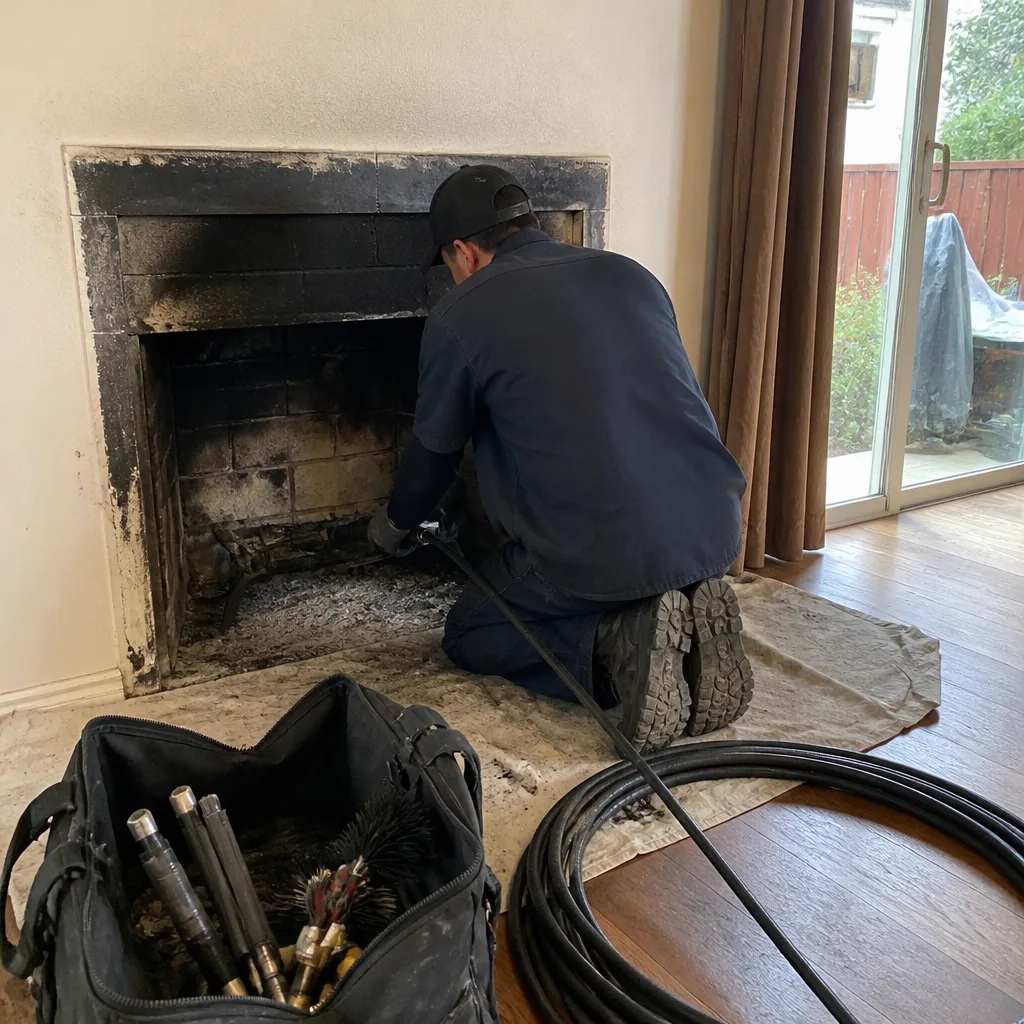
Chimney sweep logs do not sweep chimneys. They loosen some creosote - which then falls where a brush and vacuum still have to collect it.
Seasonal Chimney Cleaning Care for San Jose: Year-Round Homeowner’s Guide
Most San Jose homeowners light their fireplace maybe ten to fifteen times between November and February, then forget the chimney exists for the next eight months. That pattern feels responsible because the usage is light. But San Jose’s marine fog, wet winters, and long dry summers create a specific problem: a flue that never gets hot enough to dry itself out between burns, while the exterior masonry absorbs moisture season after season. This guide maps exactly what to check, when to check it, and which tasks actually matter for a Bay Area chimney, with emergency preparedness tips for San Jose homes woven throughout. You’ll learn the seasonal rhythm that prevents the most common San Jose chimney failures.
Styles & brands we work with
- Sweep & inspection
- Caps & crowns
- Flue relining
- Masonry repair
- Gas fireplace service
Quick Answer
Seasonal chimney care in San Jose means scheduling a professional sweep and inspection in late summer or early fall before the first burn, monitoring for smoke and odor issues during the short winter season, performing a post-season inspection in March or April to catch spalling and thermal-cycle damage, and using the summer dormancy for cap checks, animal exclusion, and liner repair when contractor availability is highest. A single annual sweep is the minimum, but San Jose’s specific microclimate makes twice-yearly inspections more protective for masonry longevity.
Table of Contents
- Fall (September – October): The Pre-Burn Assessment Window
- Winter (November – February): Mid-Season Monitoring
- Spring (March – April): Post-Season Damage Detection
- Summer (May – August): Dormancy Protection and Repair Season
- How San Jose’s Microclimate Accelerates Mortar Deterioration
- What a Year of Chimney Care Actually Costs in San Jose
- Common Mistakes to Avoid
- When to Call a Professional
- Frequently Asked Questions
- The Bottom Line
Fall (September – October): The Pre-Burn Assessment Window
In San Jose, September and October are the highest-value months for chimney inspection and sweeping. The burn season hasn’t started, so the flue is cold and dry. A cold flue tells the truth. Creosote that has absorbed moisture during the summer months is more visible, hairline cracks in the firebox haven’t been hidden by fresh soot, and the cap and crown are still accessible before seasonal rains make roof work riskier. If you only do one chimney-related task per year, make it a professional sweep and inspection in late September or early October.
We recommend homeowners in San Jose walk through this four-step checklist before the first burn:
- Check the cap and screen from the ground. Use binoculars. Look for rust, missing mesh, or a cap that’s shifted. A damaged cap lets rain directly into the flue during the winter months, which is how cracks that formed over summer become leaks by December.
- Open the damper and look up with a flashlight. You won’t see much, but you’ll spot obvious blockages: nesting material, thick creosote glaze, or fallen debris. If you smell a sharp, acrid odor even with the damper closed, that’s creosote signaling it’s ready to be swept.
- Check the firebox for cracked brick or deteriorated mortar joints. The firebox takes direct heat stress. Small cracks from last season become bigger cracks over summer as the masonry contracts in dry heat.
- Test the damper’s operation. A damper that sticks or doesn’t seal completely will cost you heated air all winter and pull damp fog air into the flue during the off-season.
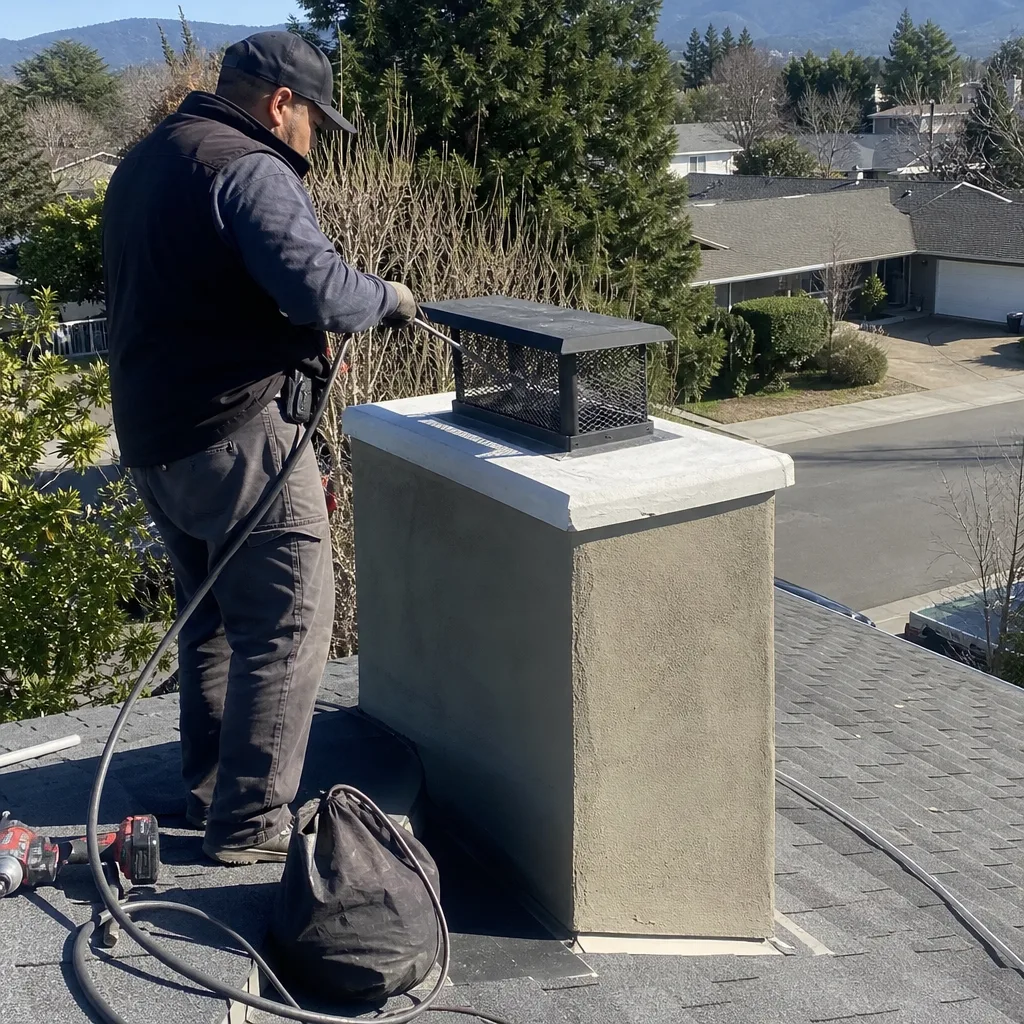
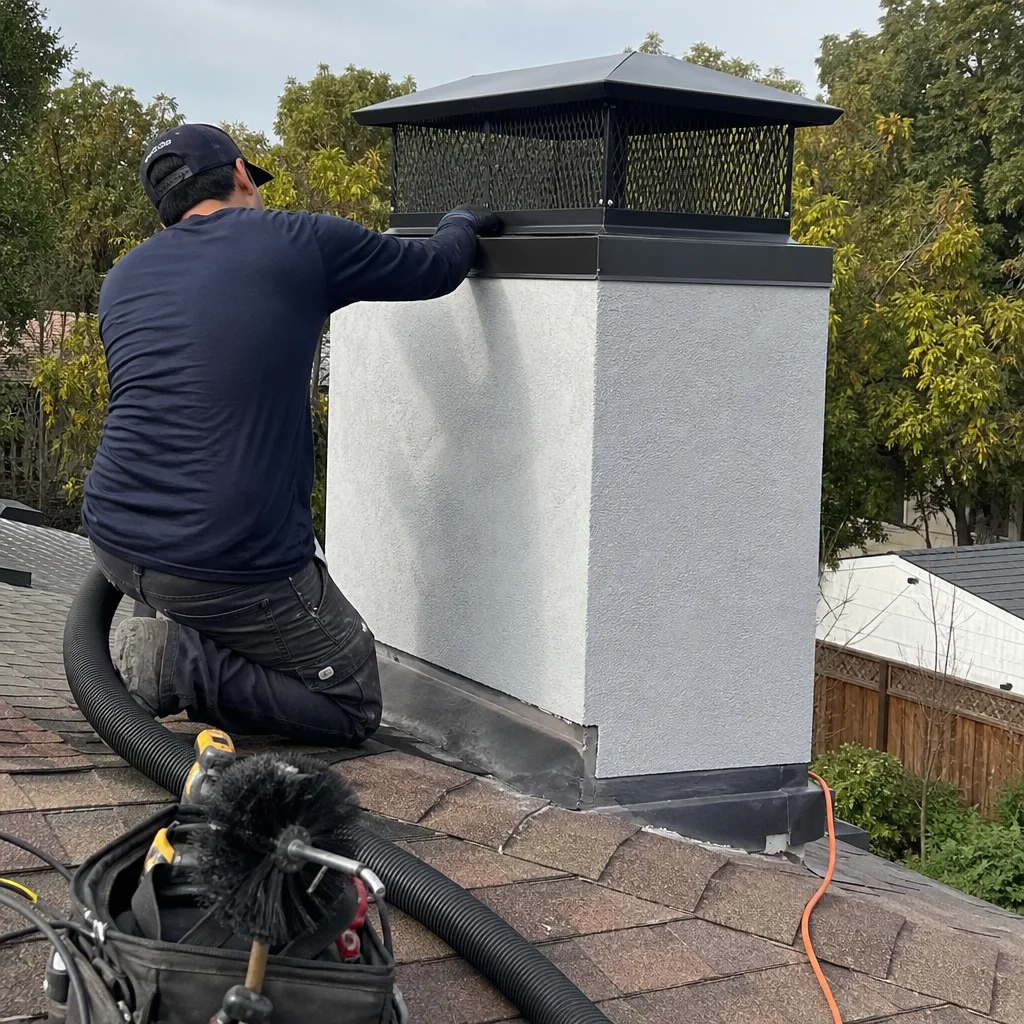
Professional-grade materials, not hardware-store substitutes, matter here. A cheap aftermarket cap corrodes in two seasons of fog and salt air. We install caps from Copperfield and Gelco, both built for exactly the kind of moisture exposure San Jose chimneys face. For homeowners who want the deepest assurance before burning season, our Chimney Sweep in Blossom Valley service includes a full camera inspection of the flue interior, so you know what’s behind the tile before you light the first fire.
If you’re buying a home in San Jose during the fall, add a chimney inspection to your closing checklist. Many home inspectors note visible chimney damage but don’t scope the interior of the flue. A $300 camera inspection before purchase can save thousands in liner repair after the first winter.
Winter (November – February): Mid-Season Monitoring
San Jose’s burning season is compressed and relatively mild. From November through February, you might light a fire once a week, or less. That low usage frequency is actually harder on the chimney than heavy daily use, because the flue never reaches a sustained high temperature that would bake out moisure and burn off light creosote deposits. Each fire creates a new layer of condensation-mixed creosote, and it sits there for days or weeks between burns.
During the season, watch for these performance signals:
- Smoke backing into the room. If it happens once on a windy day, note it and try again. If it happens repeatedly, stop using the fireplace and call for service. Recurring backdraft in San Jose often traces to a partial flue blockage, a cold flue that can’t establish draft in mild weather, or a chimney that’s been built too short for the roofline.
- A strong campfire smell indoors even when the fireplace hasn’t been used for days. That’s creosote. It’s not a “normal fireplace smell” and it won’t go away on its own.
- Visible soot falling into the firebox when you close the damper. That indicates a significant creosote buildup on the flue walls, and it’s now a fire hazard.
- Water streaks on walls near the chimney, or a musty smell in the room after rain. These can appear mid-winter even if the cap looked fine in September. Storms shift things.
One mid-winter task that always makes sense: sweeping the ash from the firebox after each use. Ash left in place holds moisture from humid indoor air, and that moisture leaches into the firebrick and accelerates deterioration. A thin layer of ash as an insulator is fine. A full firebox of ash is a moisture trap.
Gas fireplace users in San Jose have a separate winter check. Gas logs don’t produce creosote, but they do produce water vapor as a combustion byproduct. Without proper venting, that moisture condenses inside the flue and mixes with any existing soot, creating an acidic slurry that eats mortar joints from the inside. If you run a gas log set or gas insert, pay attention to any new white staining on the exterior of the chimney or any smell of gas when the unit is off. Our Chimney Repair in Blossom Valley team handles venting correction for gas systems, because the issue is rarely the gas unit itself. It’s usually how the unit is vented into a flue that was designed for wood.
Spring (March – April): Post-Season Damage Detection
Here’s a pattern we see repeatedly in San Jose: a chimney looks fine in October, performs acceptably through a light winter, and then shows clear spalling or cracking in March. The damage didn’t happen during the winter. It was always there, but the thermal cycling of even a dozen fires was enough to reveal it. Masonry expands when heated and contracts when cooled. If a brick or mortar joint was already microscopically compromised, a handful of heat cycles will open that crack visibly.
A post-season inspection in March or April catches exactly this kind of damage at the earliest point it can be seen without special equipment. It’s also the last reliably dry window before the marine fog layer returns in force in May and June.
Here’s what to check in spring:
- Walk around the chimney and photograph it. Compare photos to last fall. New cracks, new efflorescence (white mineral staining), or new spalled brick faces (where the surface of the brick has popped off) are all signs of moisture intrusion that accelerated during the winter.
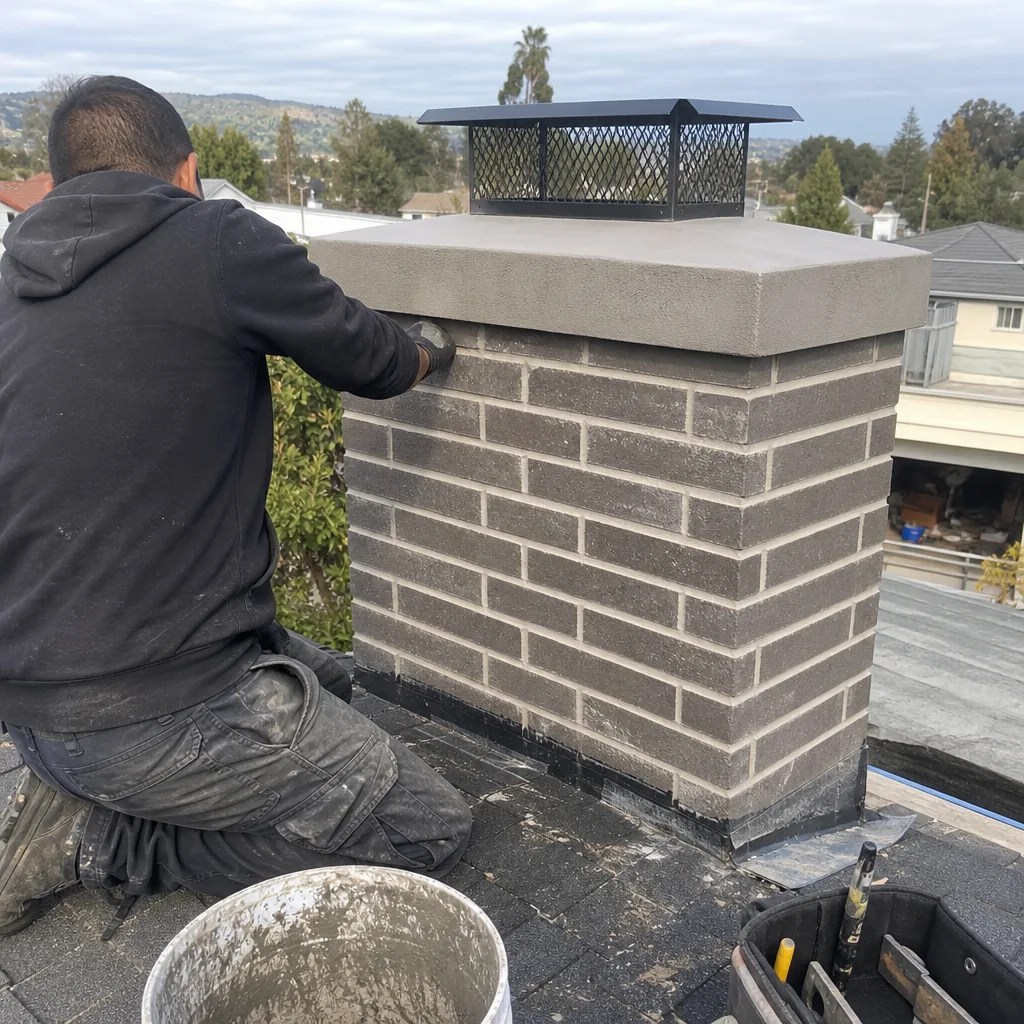
- Check the crown closely. The crown is the concrete slab at the top of the chimney. Hairline cracks in the crown are the single most common entry point for water in San Jose chimneys. In our experience, a cracked crown found in April and sealed in May prevents most of the liner damage that would otherwise be discovered the following fall.
- Look for rust on the damper assembly. Rust here means water is getting past the cap or crown. It’s a leading indicator of moisture deeper in the system.
- Smell the flue. On a warm spring day, put your nose near the open damper. A sour, musty smell means moisture has been sitting in the creosote all winter. The flue needs to be swept before summer, even if you won’t burn again for months.
If the spring inspection reveals cracked flue tiles or deteriorated mortar joints inside the flue, you have options that don’t require a full rebuild. HeatShield is a resurfacing system that repairs damaged flue liners by applying a ceramic coating to the interior of the flue, restoring a smooth, insulated, fire-safe surface without tearing out the existing liner. It’s a repair option most sweep-only companies can’t offer, and it’s significantly less costly than a full relining. The work is best scheduled in late spring or summer, which we cover next.
Summer (May – August): Dormancy Protection and Repair Season
Most San Jose homeowners think of summer as the off-season for chimney concerns. It’s actually when the most important protective work happens. You’re not burning, so the flue is accessible. The weather is dry, so sealants cure properly. And contractor availability is higher, which means scheduling is easier and pricing tends to be more favorable.
There are four summer-specific tasks that protect your chimney year-round:
- Address the cap and screen. After spring rains, birds and small animals are actively looking for nesting sites. A chimney without a proper cap or with damaged screening is an invitation. We’ve removed nests from San Jose chimneys in July that were built in May. The occupant, usually a chimney swift or a squirrel, has to be removed humanely, and the nesting material dragged with it has to be cleared before the flue is safe to use. A proper Famco or Copperfield cap prevents this entirely.
- Seal cracks in the crown and masonry. Sealants and waterproofing agents need dry conditions with temperatures above 50°F to cure correctly. In San Jose, that window is May through October. Doing crown repair in January means the sealant will likely fail because moisture in the masonry prevents proper adhesion.
- Schedule liner work. If you know you have a damaged flue liner, summer is the time to fix it. HeatShield resurfacing, stainless steel relining with DuraFlex, or firebox repair all benefit from dry conditions and full crew availability. You’ll have the chimney ready by September rather than discovering in November that the first fire smokes badly because the flue is compromised.
- Clean the dryer vent. This is the part most homeowners don’t associate with chimney care, but it belongs in the same seasonal rhythm. A clogged dryer vent is one of the leading causes of house fires in San Jose year-round, and summer is when dryer usage tends to spike because of swimsuits, towels, and outdoor gear washing. Our Dryer Vent Cleaning in Blossom Valley service uses Famco venting components and clears the entire run, from the back of the dryer to the termination point outside. If you’re already scheduling a chimney sweep, adding dryer vent cleaning to the same visit is the most efficient way to address every combustion exhaust system in the home at once.
Summer is also the right time for a level-two inspection if you’ve recently moved into your home, or if you’ve experienced any chimney event in the past year: a chimney fire, a lightning strike, an earthquake, or a major weather event. Those are the triggers specified in the National Fire Protection Association’s NFPA 211 standard and Chimney Cleaning Permits, Codes & Inspections in CA, and they warrant a deeper interior inspection than a routine sweep provides.
How San Jose’s Microclimate Accelerates Mortar Deterioration
If you’ve ever wondered why chimneys in San Jose seem to need more masonry repair than chimneys in, say, Sacramento or Fresno, the answer is the marine fog layer. San Jose sits at the southern edge of the Bay’s fog influence, and while the city’s inland neighborhoods are warmer than San Francisco, the morning marine layer still regulates temperatures through most of the summer. What this means for masonry is a daily cycle of moisture absorption and drying that inland California simply doesn’t experience.
Mortar joints are the weak point in any masonry chimney. They are porous. In San Jose’s summer fog pattern, the outer surface of the mortar absorbs moisture daily, that moisture evaporates as the fog burns off, and the cycle repeats hundreds of times per season. Over years, the repeated expansion and contraction of the mortar’s crystal structure leads to micro-fracturing. Those micro-fractures deepen in winter when rain water enters and then expands as temperatures drop to the mid-30s overnight. A freeze-thaw cycle in San Jose doesn’t have to be severe to do damage. Water expands by about 9 percent when it freezes, and even a few overnight freezes per year, repeated over five or ten years, will spall brick faces and open mortar joints.
Inland California chimneys see more temperature extremes but less daily moisture cycling. Their deterioration is slower and more predictable. San Jose’s pattern is slower to show, but faster to reach the point where water has penetrated into the flue, the firebox, and the surrounding framing. By the time a homeowner sees water staining on a ceiling near the chimney, the masonry has typically been deteriorating for years.
This is why we emphasize the seasonal rhythm in this guide. You can’t prevent the marine layer, but you can inspect, seal, and maintain on a schedule that matches it. A chimney that gets a professional sweep in September, a post-season check in March, and a crown sealing every few summers is a chimney that will last decades longer than one that only gets a sweep when the smoke starts backing up.
What a Year of Chimney Care Actually Costs in San Jose
Our Chimney Cleaning Cost Breakdown: The San Jose Homeowner’s Reference for 2026 shows that sweeping prices in San Jose typically run from $180 to $350 for a standard sweep and inspection of a wood-burning fireplace. Gas fireplace sweeps and inspections trend slightly lower, usually $150 to $250. These ranges reflect the Bay Area market specifically and assume the flue is in serviceable condition. Here’s what a typical annual budget looks like:
| Service | Typical San Jose Price Range | Frequency |
|---|---|---|
| Chimney sweep + level 1 inspection (wood) | $180 – $350 | Annually, before burn season |
| Chimney sweep + level 1 inspection (gas) | $150 – $250 | Annually, before burn season |
| Level 2 camera inspection | $250 – $500 | After home purchase, chimney event, or system change |
| Cap replacement (Copperfield or Gelco) | $200 – $450 installed | As needed, typically every 8 – 15 years |
| Crown sealing | $250 – $600 | Every 5 – 10 years depending on exposure |
| HeatShield liner resurfacing | $2,500 – $5,000 | Once per chimney lifetime, if needed |
| Dryer vent cleaning | $120 – $250 | Annually or every 18 months |
These are not quotes. They’re market ranges we see across San Jose, and your specific chimney will fall somewhere in the band depending on height, accessibility, material condition, and roof pitch. A two-story home with a steep roof costs more to service than a single-story ranch, simply because the technician is on the roof longer and with more safety equipment.
The key economic insight: the $200 to $350 you spend on an annual sweep is your cheapest chance to catch the things that cost $2,500 to $5,000 to fix. A cracked crown caught in March is a $300 seal job. The same crack left through one winter becomes water inside the flue, which becomes liner deterioration, which becomes HeatShield resurfacing or a full relining. You’re not paying for the sweep. You’re paying for the early warning.
If you’re in Blossom Valley, or anywhere in San Jose, and you want an exact quote, call (833) 593-5179. Estimates are free, and you’ll get a specific price before any work is scheduled. We never recommend a repair without camera evidence you can see yourself. That’s the standard every San Jose homeowner should insist on, whether they hire us or another company.
Common Mistakes to Avoid
- Skipping the pre-burn inspection because the chimney “worked fine last year.” The single most dangerous sentence in chimney care. Every year without a sweep adds a new layer of creosote, and every winter adds a new cycle of moisture penetration. What worked fine last season may be one fire away from a chimney fire this season.
- Using a hardware-store cap instead of a purpose-built chimney cap. We see generic caps on San Jose chimneys all the time, and they corrode within two or three seasons of fog. The materials chimney specialists trust, like Copperfield and Gelco, are stainless steel or heavy-gauge copper designed for decades of coastal exposure.
- Burning unseasoned wood because “it’s just a little smoky.” Green wood creates creosote at an accelerated rate and burns at a lower temperature, which means the flue never gets hot enough to burn off what it’s depositing. In San Jose’s mild burning season, using properly seasoned hardwood is one of the single best things you can do for your chimney.
- Ignoring the dryer vent because it’s not part of the chimney. A dryer vent is a mechanical exhaust system with the same fire-risk profile as a chimney. Lint is a fuel source. A clogged vent is a heat source. San Jose’s dry climate makes lint accumulation faster, not slower, because static electricity is higher. If you’re thinking about fire safety, the dryer vent is part of the conversation.
- Waiting until November to book a sweep. Every chimney company in San Jose is booked solid in November. If you call then, you’re choosing from the leftover availability and may wait weeks. Book in September, before the first rain, and you’ll have your choice of schedule and a technician who isn’t rushing to the next job.
- Doing DIY crown repair with silicone caulk. Silicone caulk is not a crown sealant. It fails within a season, traps moisture against the masonry, and makes proper repair harder later. A proper crown seal uses a breathable masonry sealant designed for chimney service. We use products from Gelco and Olympia Chimney that are formulated for this exact purpose.
- Assuming a gas fireplace doesn’t need a chimney sweep. Gas fireplaces still vent moisture and combustion byproducts through the flue. They don’t produce creosote, but they can produce acidic condensation that damages masonry from the inside. Gas systems still need annual inspection, and many still need periodic sweeping.
When to Call a Professional
Call a certified chimney professional if you see smoke backing into the room on multiple occasions, if you notice a persistent acrid smell even when the fireplace is cold, if water is staining the ceiling near the chimney, if you hear animals in the flue, or if you’re buying a home with an un-inspected fireplace. You should also call if you’ve experienced a chimney fire, even a small one, or if it’s been more than two years since the last professional inspection. Any of these conditions indicates a system that needs equipment and training to evaluate properly, not a homeowner with a flashlight.
Chimney Sweep Blossom Valley offers free estimates in San Jose. We’ll scope the flue, show you what we see on camera, and give you a written recommendation with no pressure. Call (833) 593-5179 to schedule. Our Chimney Sweep Blossom Valley home page has more details on what a full-system inspection includes.
Frequently Asked Questions
Once per year, before the burn season starts in November. Even if you only burn a dozen times per year, San Jose’s marine layer and damp winter months mean creosote and moisture are interacting in your flue year-round, and an annual sweep removes the fuel source before it becomes a chimney fire risk.
A standard wood-burning chimney sweep and level 1 inspection in San Jose typically runs $180 to $350, while gas fireplace sweeps run $150 to $250. Factors like roof height, roof pitch, and flue condition can push a specific quote toward the upper end. Call (833) 593-5179 for a free, exact estimate.
Many liners that look “bad” on a first inspection can be resurfaced using HeatShield, a ceramic coating system that restores the flue interior without a full teardown. The determining factor is the extent of the damage and whether the existing clay tile is still structurally sound. A camera inspection answers the question definitively, and we never recommend a liner replacement or resurfacing without showing you the video evidence.
You can remove ash from the firebox, but sweeping a flue properly requires specialized brushes sized to your exact flue dimensions, roof access, and the experience to know what to look for when the sweep is done. More importantly, a proper sweep includes an inspection of the entire system: cap, crown, flue, damper, firebox, and the connection to the home. The sweep is only part of what you’re paying for. The trained eye is the other part.
Creosote accumulates. Creosote is a flammable byproduct of wood combustion, and enough of it in a flue can ignite, causing a chimney fire that reaches 2,000°F and cracks flue tiles, melts mortar, and can spread to the structure of the home. Short of a full chimney fire, skipped sweeps mean water interacts with built-up creosote, creating an acidic compound that eats away the mortar joints inside the flue. The damage compounds silently. You won’t know until the liner is failing or the smoke starts backing up.
Yes, with different emphasis. Gas systems don’t produce creosote, but they do produce moisture and acidic combustion byproducts that damage flue mortar over time. The seasonal rhythm is the same: professional inspection before the burn season, monitoring during, and a post-season check in spring. Gas systems also need regular burner and ignition component inspection, which a certified chimney professional provides during the annual service.
The Bottom Line
San Jose’s mild climate creates a false sense of security for chimney owners. A fireplace that’s used lightly still accumulates creosote, still absorbs fog moisture, and still undergoes the thermal cycling that cracks masonry. The seasonal rhythm that protects it is simple: professional sweep and inspection before the first burn in fall, attentive monitoring during the short winter season, a post-season check in spring, and protective maintenance in summer. Do that every year, and a San Jose chimney will serve you reliably for decades – find more guides & resources on our blog to keep your system safe. Skip it, and the damage compounds silently until it costs thousands to correct. The choice is really about which kind of homeowner you want to be.
Written by the team at Chimney Sweep Blossom Valley, serving San Jose since 2014.
See the difference
 Before
 After
 Before
 After
 Before
 After