
Last updated November 2, 2026
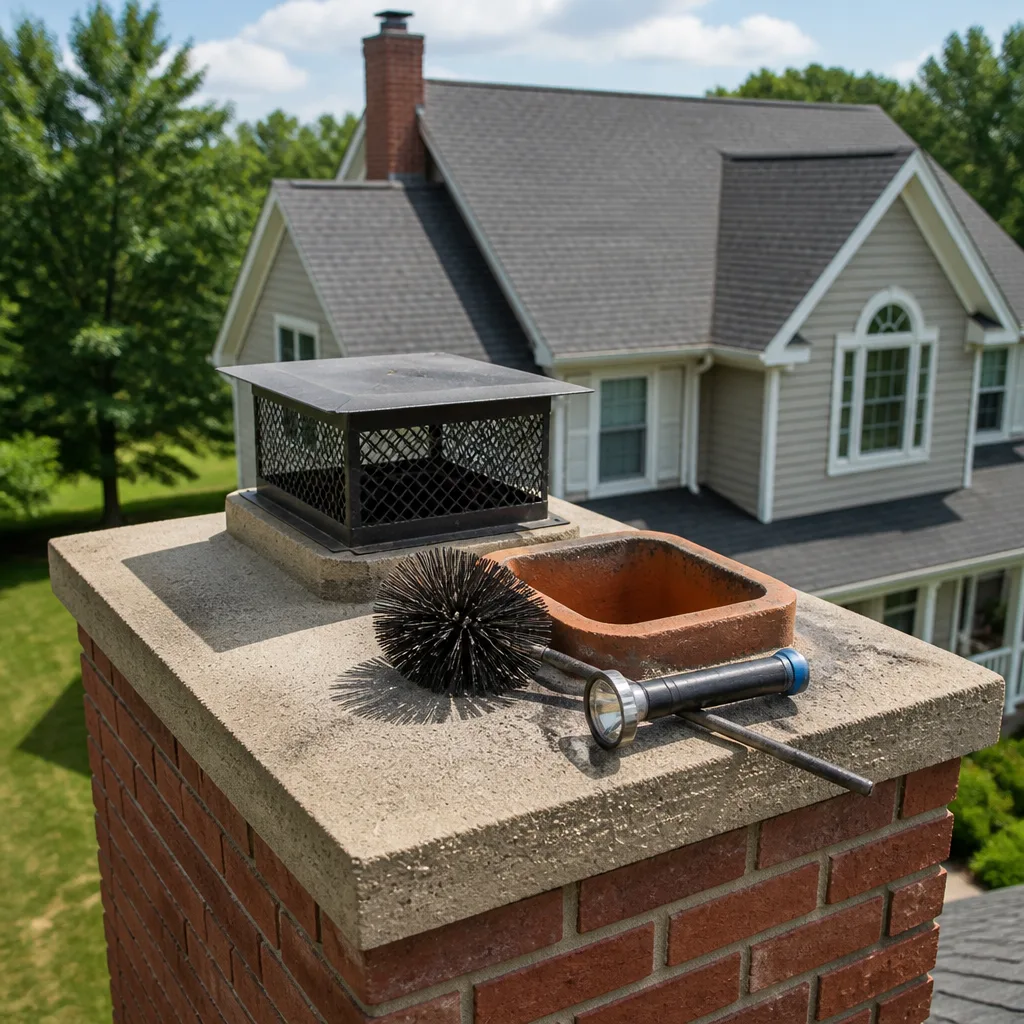 Sweep & inspection
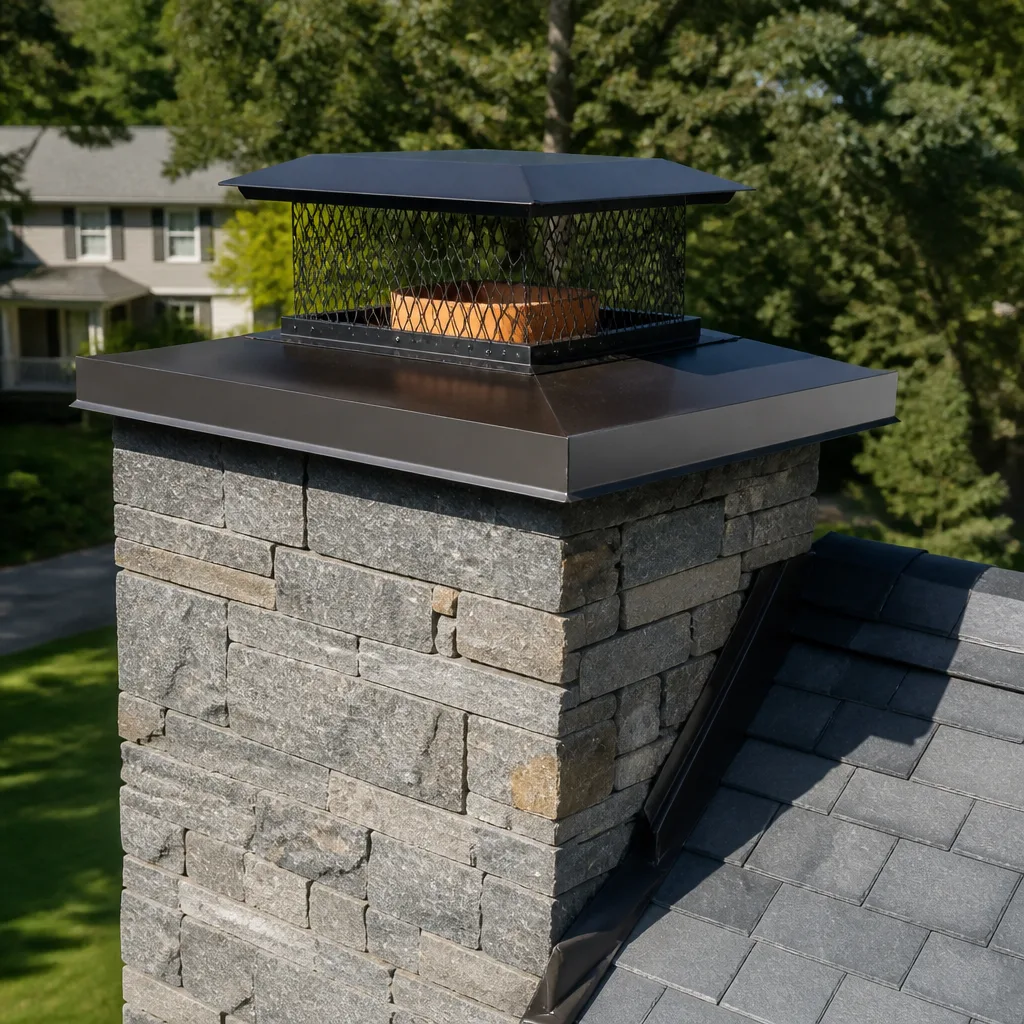 Caps & crowns
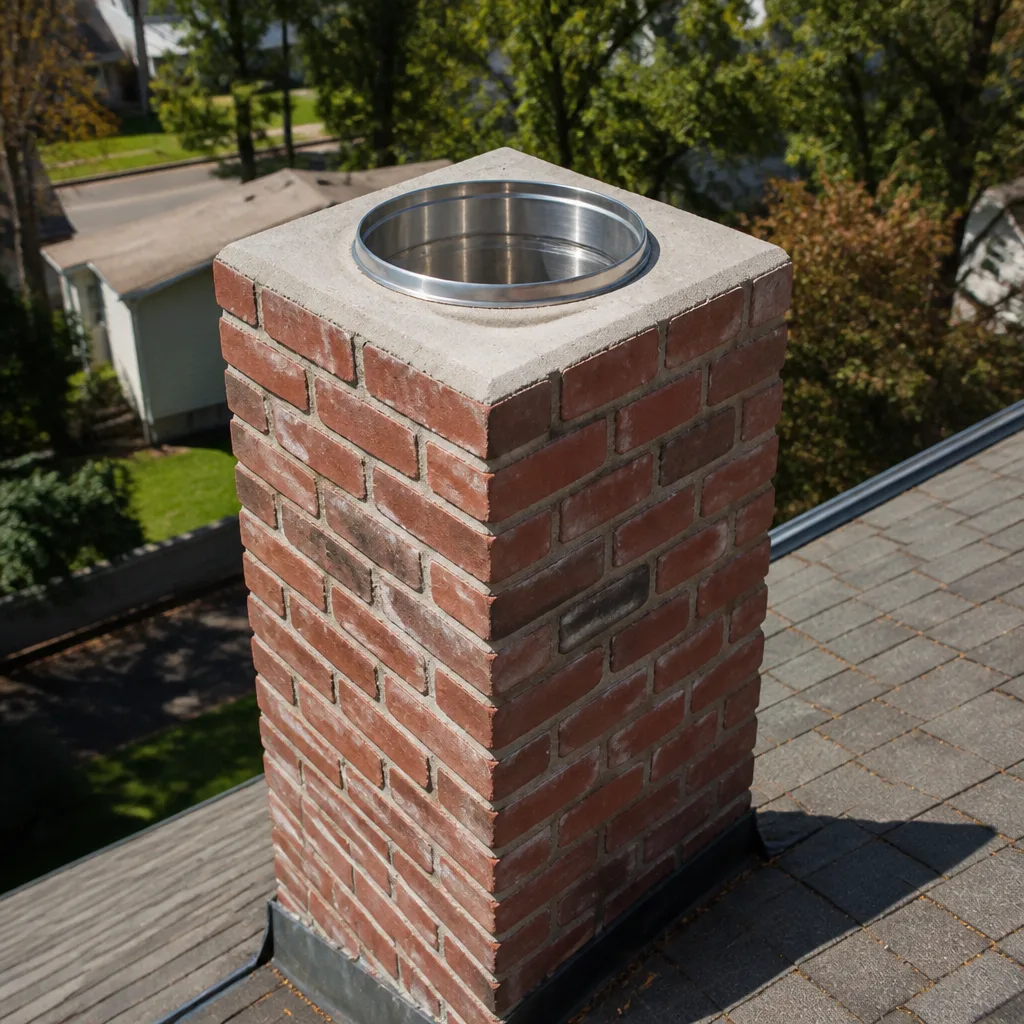 Flue relining
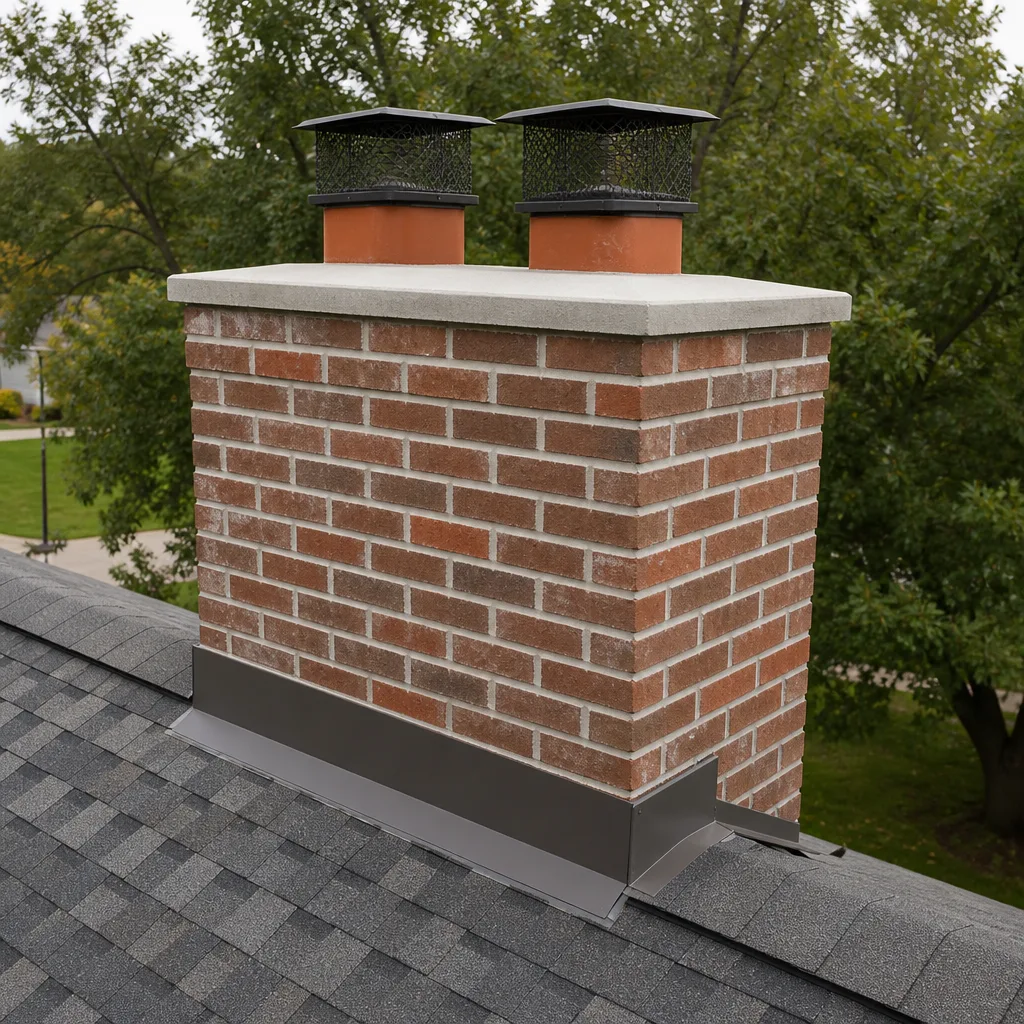 Masonry repair
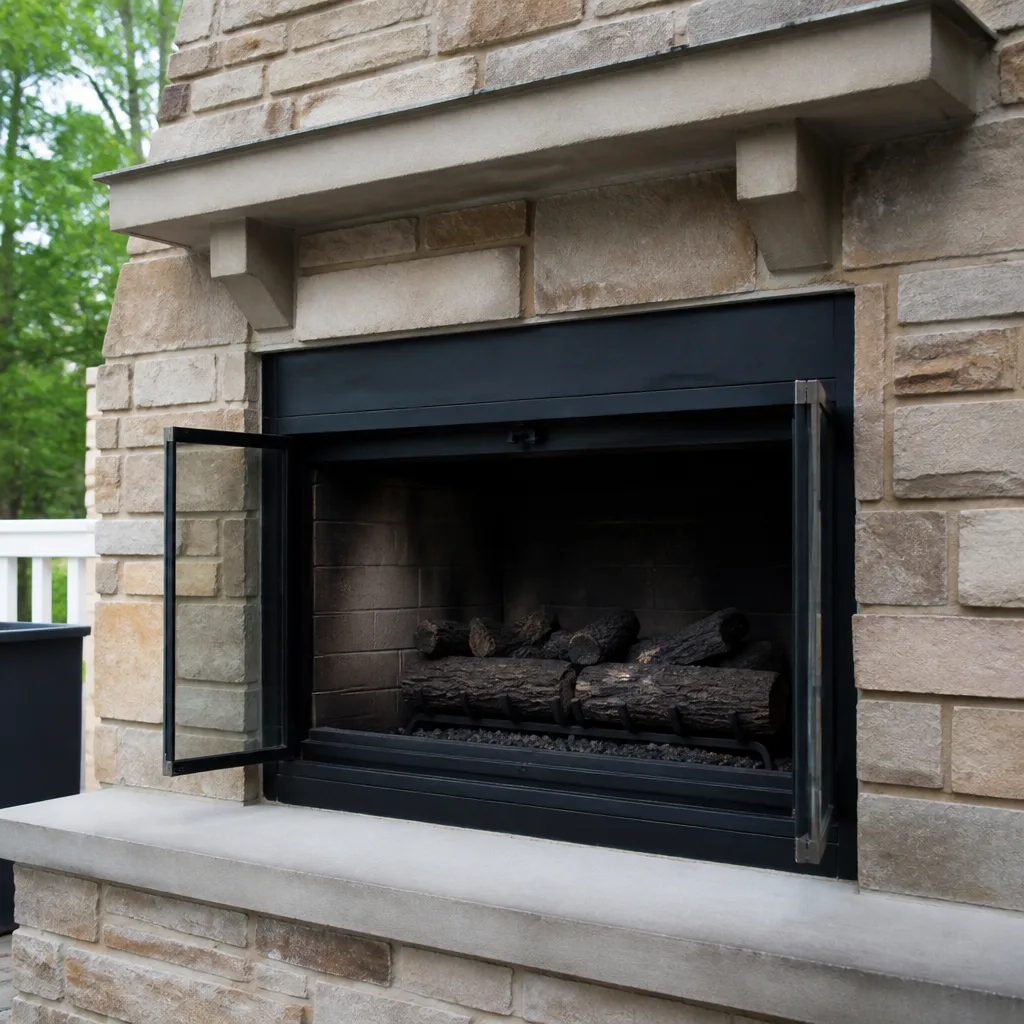 Gas fireplace service
Level 1 sweep and inspection to the NFPA 211 annual standard - flue, crown, cap, and flashing checked and photographed
Chimney sweep logs do not sweep chimneys. They loosen some creosote - which then falls where a brush and vacuum still have to collect it.
The Complete Chimney Sweep Guide for San Jose Homeowners
Most chimney guides are written for the Midwest, where homeowners burn wood six months a year. San Jose homeowners burn maybe 20 fires annually, and that low-use pattern is quietly destroying their chimneys in ways that don’t show up until something goes wrong. This guide explains why a fireplace you barely use still needs annual attention, what actually happens inside a San Jose chimney between sweeps, how moisture and critters do more damage than flames ever will, and when a professional inspection is worth every dollar. We’ll cover inspection levels, liner materials, local code triggers, and the specific failure patterns we see across Santa Clara County homes.
Styles & brands we work with
- Sweep & inspection
- Caps & crowns
- Flue relining
- Masonry repair
- Gas fireplace service
Quick Answer
A chimney sweep in San Jose typically costs $189 to $349 for a standard level-1 cleaning and inspection, and the National Fire Protection Association (NFPA 211) recommends every chimney be inspected annually regardless of how few fires you burned. In San Jose’s mild climate, the bigger risk is not creosote buildup from heavy use, it’s moisture damage, cracked mortar joints, and critter nesting that go undetected in rarely used fireplaces. If your chimney hasn’t been inspected in 12 months or longer, schedule a sweep before burning season starts.
Table of Contents
- Why San Jose’s Climate Creates a Different Chimney Problem
- Level 1 vs. Level 2 Inspections: What Triggers Which
- How a Professional Chimney Sweep Actually Works
- Flue Liners, Trade-Grade Materials, and Why They Matter Here
- Roof Rats, Raccoons, and Eucalyptus: San Jose’s Intrusion Problem
- Gas Inserts vs. Wood-Burning Fireplaces: Different Risks, Same Standard
- Why Dryer Vent Cleaning Belongs in the Same Conversation
- What a Chimney Sweep Costs in San Jose
- Common Mistakes to Avoid
- When to Call a Professional
- Frequently Asked Questions
- The Bottom Line
Why San Jose’s Climate Creates a Different Chimney Problem
San Jose sits in a coastal valley where morning fog rolls over the Santa Cruz Mountains and burns off by noon, creating daily temperature swings of 20 to 35 degrees. Those swings do something specific to masonry: they make brick, mortar, and concrete expand and contract on a near-daily cycle. Over five or ten years, that thermal cycling loosens mortar joints even in chimneys that have never seen a hot fire. We see this constantly in neighborhoods like Willow Glen, Rose Garden, and Almaden Valley, where older masonry chimneys show cracked crown mortar and spalling brick faces despite decades of light use.
The other variable is moisture. San Jose gets roughly 15 to 17 inches of rain annually, almost all of it during a four-month winter window. A chimney crown with hairline cracks absorbs that water, which then sits inside the flue system through the dry months, accelerating corrosion in dampers, damper frames, and any metal components. Homes in Cambrian, Blossom Valley, and Evergreen with shaded lots or heavy tree canopy stay damp even longer, compounding the problem.
The result is a counterintuitive situation: a San Jose homeowner who burns 15 fires a year often has more hidden chimney damage than a Minnesota homeowner who burns 150. The Midwest chimney gets hot regularly, which evaporates moisture and discourages nesting. The San Jose chimney sits cold and quiet for months at a time, collecting whatever the weather and local wildlife bring to it. That’s why the annual inspection standard matters here more than in colder climates, not less.
Level 1 vs. Level 2 Inspections: What Triggers Which
The NFPA 211 standard defines three inspection levels, and most San Jose homeowners will encounter only the first two. Understanding what each covers prevents you from paying for more than you need, or worse, accepting less than your situation requires.
Level 1 Inspection
A level-1 inspection is performed during a routine sweep when nothing about the chimney’s use or history has changed. The technician examines the readily accessible portions of the chimney: the firebox, damper, visible flue interior, exterior chimney structure, and basic clearances. No special tools are required beyond a flashlight and the sweep’s own eyes.
When a level 1 is appropriate:
- You’re scheduling a routine annual sweep with no known issues
- You’ve used the fireplace the same way for years with no performance changes
- There’s been no chimney fire, no earthquake damage, no water leak, and no animal intrusion
- You’re not selling the home and haven’t changed fuel type
Level 2 Inspection
A level-2 inspection includes everything in level 1, plus access to attics, crawl spaces, and other concealed areas near the chimney, and typically involves a video scan of the flue interior. The camera reveals cracks, gaps between flue tile sections, deteriorated mortar joints, and hidden blockages that a visual inspection from the top or bottom alone can miss.
Common triggers for a level 2 in San Jose:
- Selling or buying a home (a level-2 is the standard real estate transaction inspection)
- A chimney fire has occurred, even a small one you caught early
- The furnace or water heater flue connects to the same chimney
- An earthquake. San Jose sits near the Calaveras and Hayward faults, and a 4.0 magnitude event within 30 miles should prompt a level-2
- A storm dropped tree limbs on the chimney or roof flashing
- You’re changing fuel type, such as converting from wood to gas or installing a new insert
- The chimney has been unused for two or more heating seasons
In our experience, a level-2 is the right call for any San Jose chimney that hasn’t been used in three or more years. Roof rats, raccoons, and nesting birds don’t wait for an invitation, and the video scan shows exactly what’s living or dead inside the flue before you light your first fire of the season. A full chimney repair may be needed if the camera reveals cracked flue tiles or deteriorated mortar joints, and trade-grade liner systems like DuraFlex are sized and specified for Bay Area home configurations, not pulled off a generic big-box shelf.
How a Professional Chimney Sweep Actually Works
A proper sweep follows a defined sequence. Here’s what the process looks like when handled by a specialist who works with professional chimney-trade brands rather than general hardware-store tools.
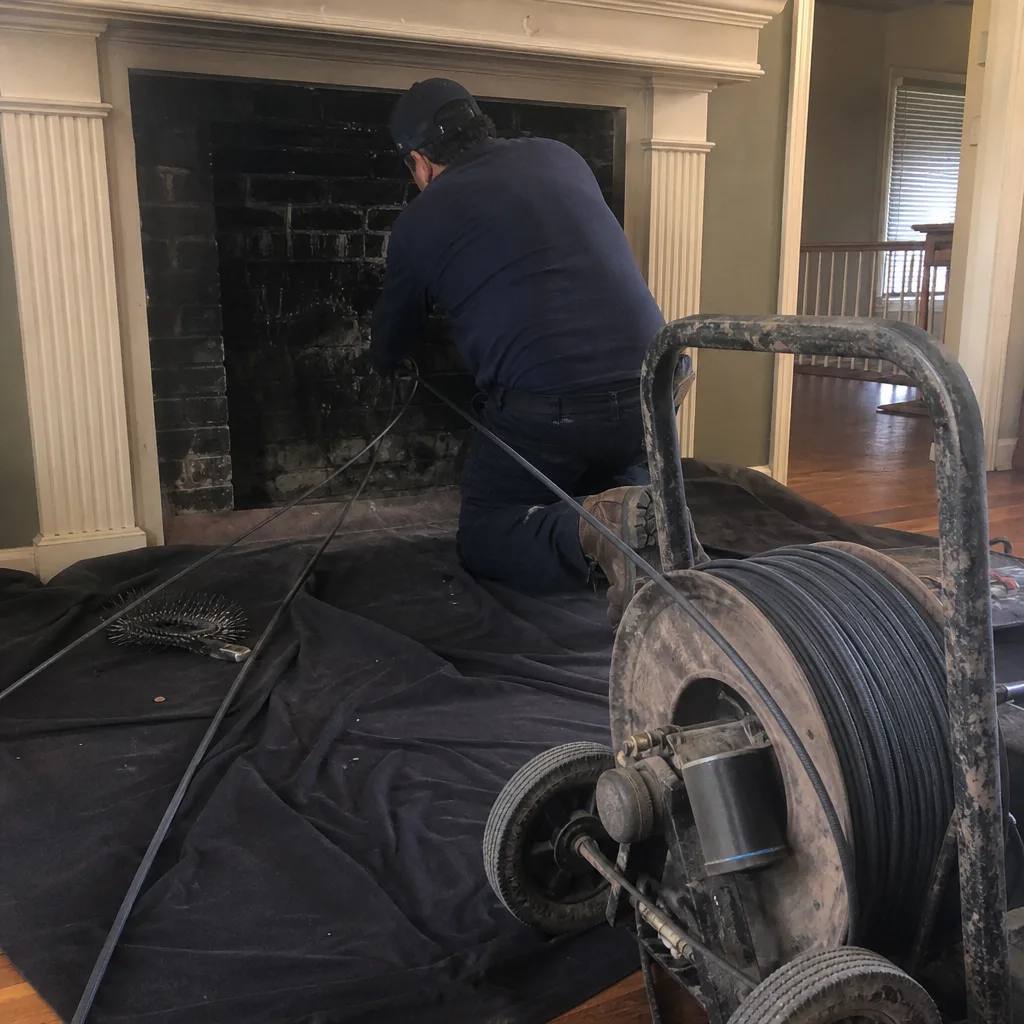
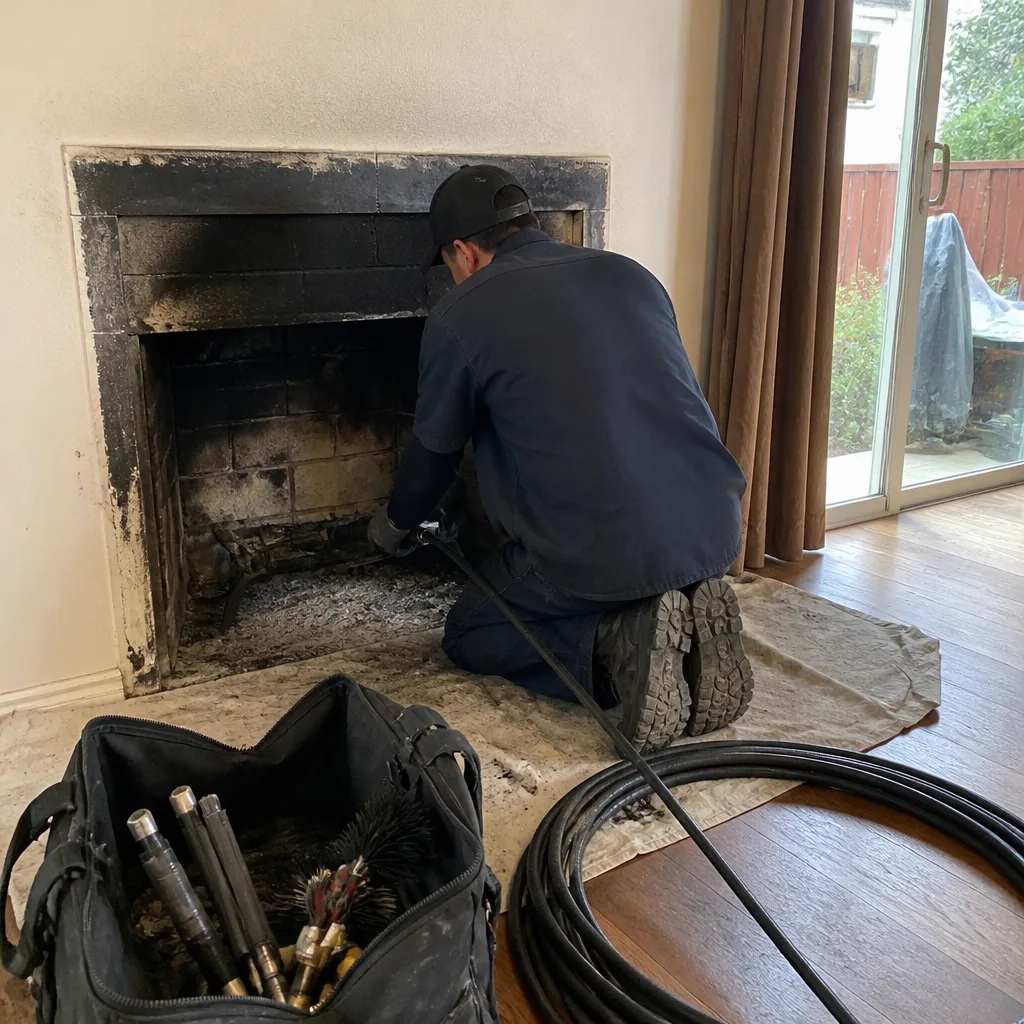
- Interior protection setup. The technician lays drop cloths around the hearth, covers nearby furniture, and positions a high-output vacuum with a HEPA filter to capture dust before it enters the room.
- Visual pre-inspection. The firebox, damper, smoke shelf, and accessible flue sections get examined with a flashlight. The technician notes creosote type and thickness, water staining, rust, or animal debris.
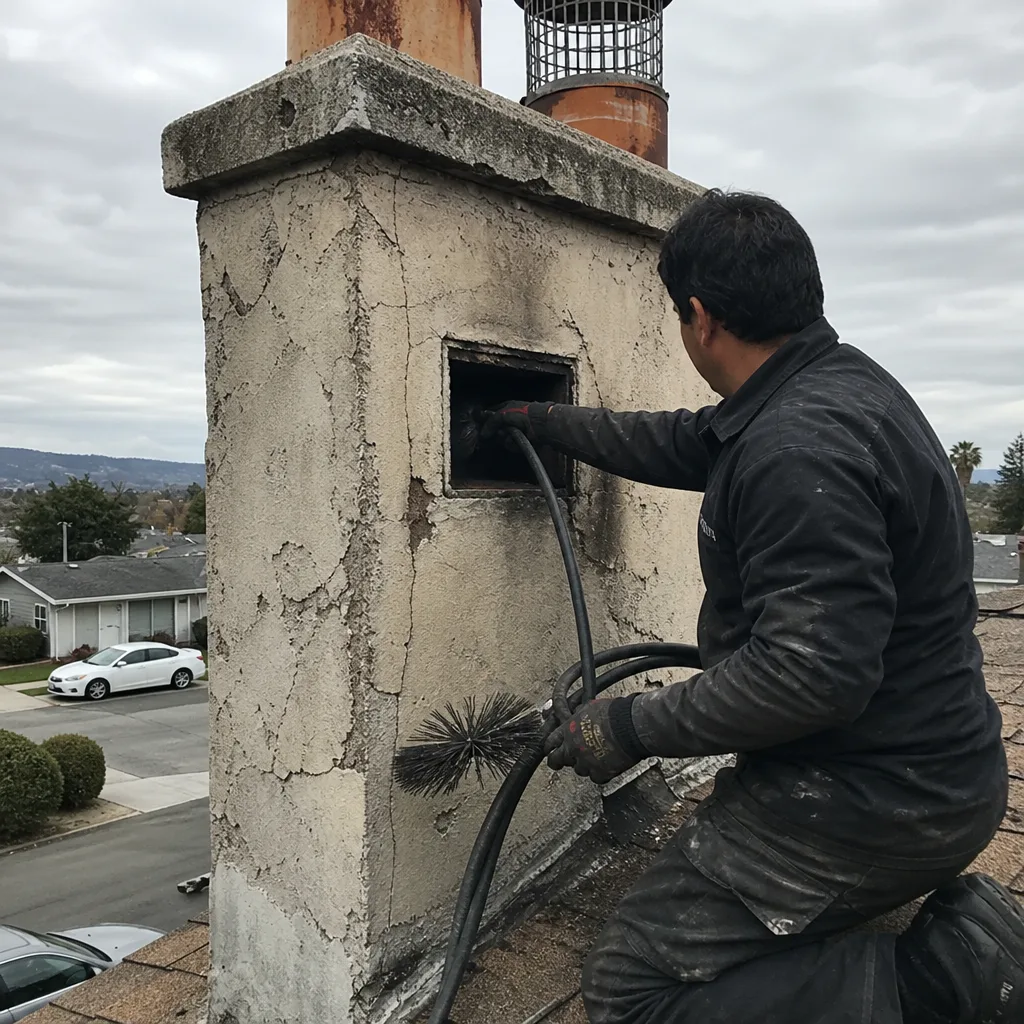
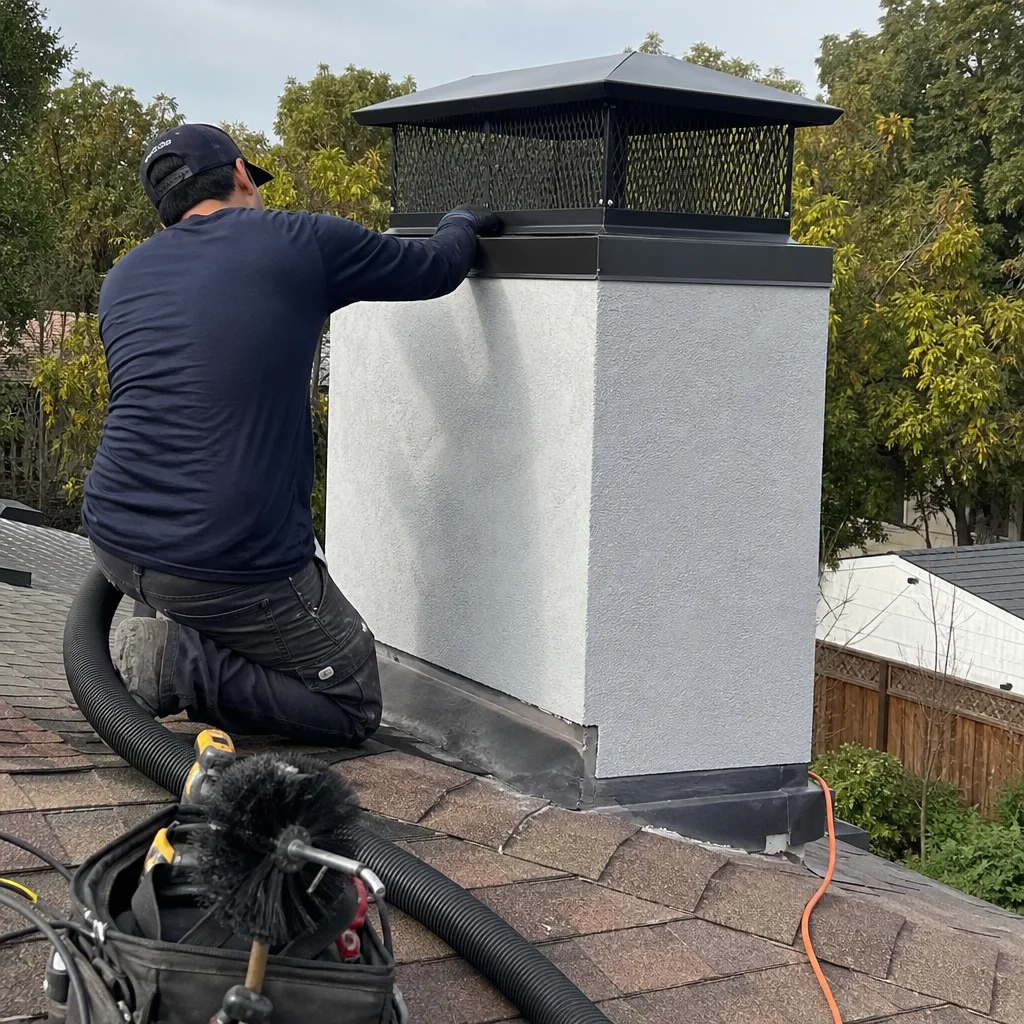
- Mechanical brushing. A correctly sized wire or poly brush is run through the flue from top to bottom (or bottom to top for certain configurations), dislodging creosote, soot, and debris. The vacuum runs continuously to create negative air pressure and keep the room clean.
- Flue inspection after cleaning. Once the flue is clean, the technician examines the liner surface for cracks, gaps, and mortar joint erosion. Creosote often hides these defects, and they only become visible after brushing.
- Smoke shelf and damper cleaning. The smoke shelf, damper frame, and damper blade get scraped and vacuumed, since debris accumulates there even when the flue itself looks clean.
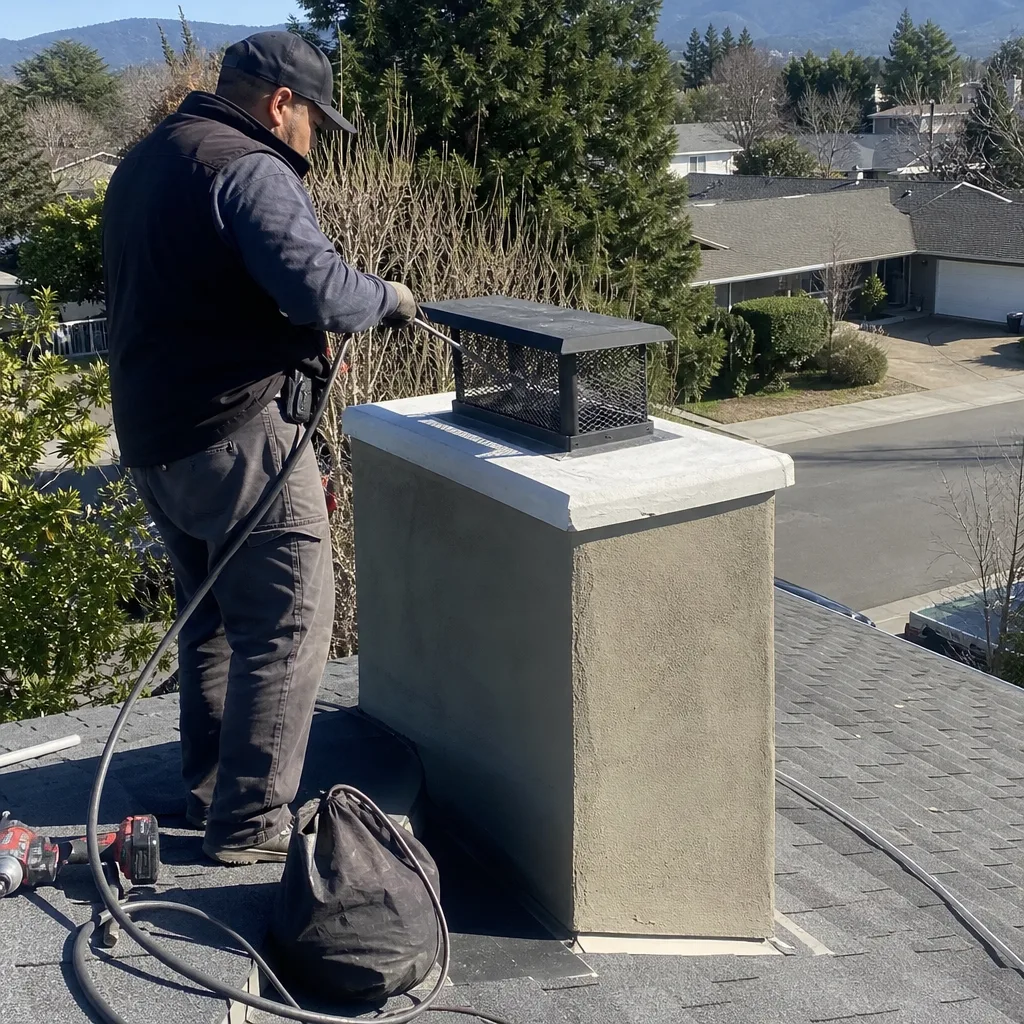
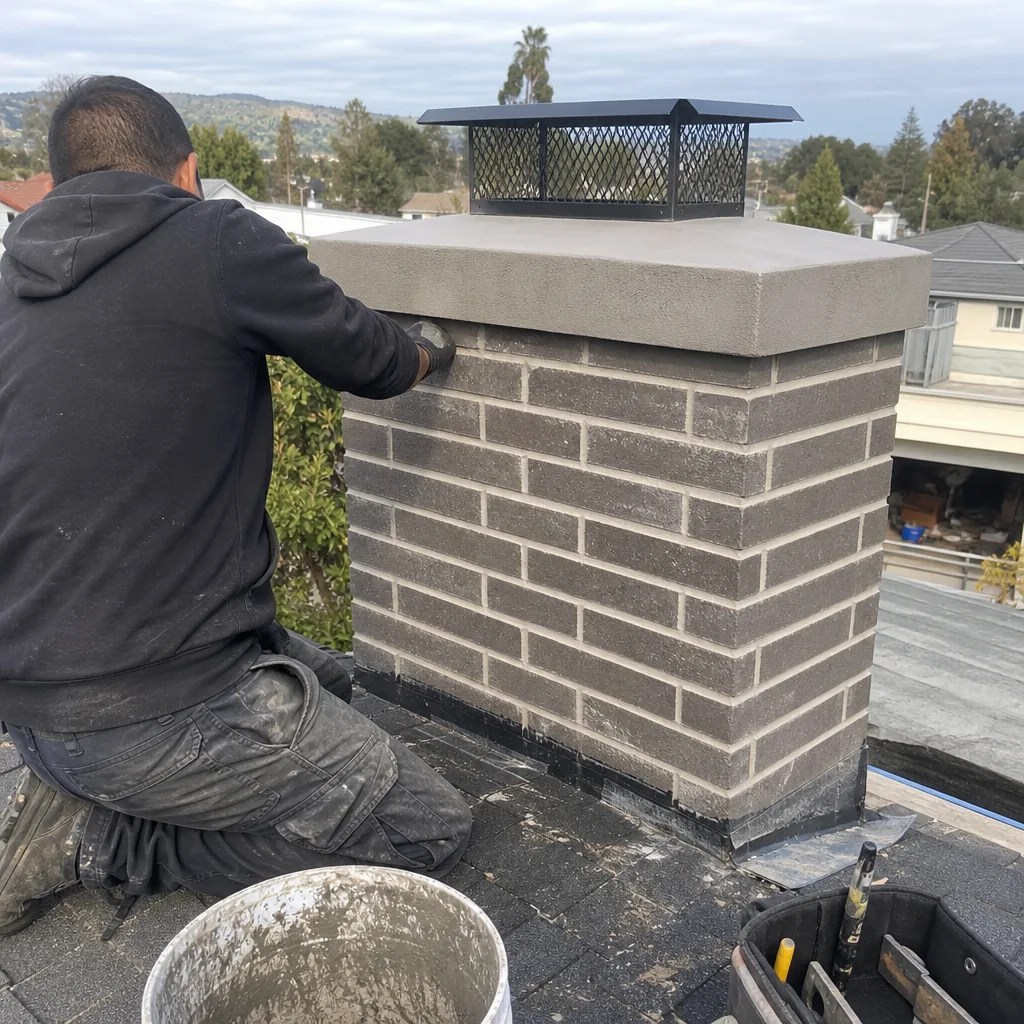
- Exterior check. The technician inspects the chimney crown, cap, flashing, and exterior masonry. Cracked crown mortar and damaged flashing are the two most common water entry points in San Jose homes.
- Report and recommendations. You receive a written summary of what was found, what was cleaned, and any repair items, with photos where relevant. If a camera scan was performed, you see the footage. Nothing gets recommended without visible evidence.
The entire process typically takes 45 to 90 minutes for a standard masonry chimney. Gas insert sweeps run shorter. A chimney with heavy creosote accumulation, animal nesting, or liner damage takes longer because the technician must work carefully around compromised areas.
Flue Liners, Trade-Grade Materials, and Why They Matter Here
The flue liner is the single most important safety component in your chimney system, and it’s also the least visible. A cracked or deteriorated liner allows heat, sparks, and carbon monoxide to reach combustible framing materials around the chimney chase. That’s not a small repair item. It’s the difference between a chimney that contains fire and one that spreads it.
Older San Jose homes built before 1960 often have unlined chimneys or liners made from clay tile. Clay tile has served well historically, but it develops cracks from thermal stress, and the mortar joints between tile sections erode over decades. Once a tile liner cracks, pieces can fall inward and create a flue blockage, or combustion gases can leak outward into wall cavities.
Modern trade-grade liner systems address these problems with purpose-built stainless steel or resurfacing products. A resurfacing system like HeatShield repairs damaged flue liners by filling cracks and creating a smooth, continuous interior surface, a cost-saving option compared to a full relining when the existing liner is still structurally sound. We use the brands chimney specialists trust: DuraFlex stainless steel relining systems, HeatShield cerfractory resurfacing material, and Copperfield and Gelco components for caps, crowns, and termination points.
Why does brand-level material matter? Because the liner is exposed to corrosive flue gases, condensation cycles, and temperature extremes that would destroy generic alternatives. A big-box dryer vent or a hardware-store cap doesn’t meet the same manufacturing tolerances as products made specifically for chimney systems. When a liner fails, the first sign is often a chimney fire or a carbon monoxide alarm going off at 2 a.m.. That’s the wrong time to learn the difference between professional materials and over-the-counter substitutes. For a deeper look at how liner repairs are handled and what a full Chimney Repair in Blossom Valley involves, we walk through the structural side of the system in detail.
Roof Rats, Raccoons, and Eucalyptus: San Jose’s Intrusion Problem
San Jose’s tree canopy creates a direct pathway from backyard to chimney top. Roof rats are endemic across Santa Clara County, and they’re excellent climbers. They travel along branches, power lines, and roof lines, and an uncapped chimney flue is a darkened tunnel that smells like shelter. Raccoons are larger but just as determined, and they’ll tear through a damaged chimney cap or spark arrestor screen to gain entry.
Once inside, animals create three separate hazards. First, their nesting material (twigs, leaves, shredded insulation, paper) blocks the flue and restricts draft. Second, the nest itself is a fire hazard: dry plant material and animal fur ignite quickly when exposed to sparks or hot flue gases. Third, a dead animal in the flue creates an odor problem that’s genuinely unpleasant and a health concern, especially in warmer months when decomposition accelerates.
Eucalyptus trees deserve special mention in San Jose. They’ve been planted as ornamentals and windbreaks since the 19th century, and they drop leaves, bark strips, and seed pods in enormous volume. A eucalyptus leaf is narrow, dry, and oily, and it slides easily through spark arrestor screens and accumulates on the smoke shelf. Because eucalyptus bark and leaves are particularly flammable, their presence inside a flue is a bigger fire risk than deciduous tree leaves. Homes in neighborhoods with mature eucalyptus stands, like parts of Campbell, Willow Glen, and the foothill edges of San Jose, should check their spark arrestor screens more frequently during summer and fall.
Gas Inserts vs. Wood-Burning Fireplaces: Different Risks, Same Standard
Many San Jose homeowners have converted wood-burning fireplaces to gas inserts or gas logs, often as part of a broader home renovation. The conversion solves one set of problems (creosote, ash, wood storage) but introduces another set that homeowners frequently overlook.
Gas inserts still require annual inspection. Gas combustion produces water vapor and acidic compounds that condense inside the flue liner, and over time the liner corrodes. Gas log sets installed in existing masonry fireplaces often vent poorly because the original chimney was sized for wood, not gas. That can lead to carbon monoxide spilling into the living space rather than drafting up the flue, especially on calm days or when the home’s exhaust fans are running.
The NFPA 211 standard applies equally to gas and wood. An annual level-1 inspection is the baseline for both. Homeowners with gas appliances connected to a common chimney (a furnace and water heater sharing the same chase) should be particularly careful: a blocked common flue doesn’t just affect the fireplace, it affects every combustion appliance in the home. A carbon monoxide detector is essential in any home with combustion appliances, but it’s a backup, not a substitute for an inspection.
Why Dryer Vent Cleaning Belongs in the Same Conversation
A dryer vent is a chimney system. It carries hot, lint-laden exhaust air from the dryer to the outside, and it accumulates lint the same way a wood chimney accumulates creosote. A clogged dryer vent forces the dryer to work harder, extending drying times and overheating the dryer’s heating element. That overheating is what starts fires.
The U.S. Fire Administration attributes approximately 2,900 home dryer fires each year, with lint buildup in the vent system as the leading cause. Many San Jose homes route dryer vents through walls, crawl spaces, or roofs, creating long runs with multiple bends where lint accumulates faster than in a short, straight vent. Homes with laundry rooms located in the center of the house, common in older San Jose ranch-style floor plans, are particularly vulnerable because the vent run is longer.
A dryer vent clog is a fire hazard. So is a cracked flue liner. We fix both. The same crew that cleans your chimney can clean your dryer vent during the same visit, which matters because both systems share the same goal: moving combustion and exhaust gases safely out of your home. If you’ve been living with a dryer that takes two cycles to dry towels, that’s not normal. It’s a vent restriction. We cover the specific process and costs in our guide to Dryer Vent Cleaning in Blossom Valley.
What a Chimney Sweep Costs in San Jose
Chimney sweeping costs in San Jose run higher than the national average, reflecting the region’s labor costs and the complexity of local housing stock. Expect these ranges for residential work:
- Standard level-1 sweep and inspection: $189 to $289 for a single-flue masonry chimney with normal creosote accumulation
- Level-1 with video scan (level 2 inspection): $289 to $449, depending on flue height and access difficulty
- Heavy creosote buildup or glazed creosote: Add $75 to $150 for additional brushing time and specialized tools
- Animal nest removal: Add $100 to $300 depending on the species, nest size, and whether the chimney requires sanitizing afterward
- Gas insert sweep and inspection: $149 to $249, typically faster than a wood chimney but requiring specialized brushes
- Dryer vent cleaning as a standalone service: $99 to $179, with discounts when bundled with a chimney sweep
These are market ranges for the San Jose area and reflect what we see across the valley in 2025. The final quote depends on your chimney’s height, flue condition, and what the technician finds during the initial inspection. We don’t quote a price over the phone without seeing the system first, and we don’t recommend repair work without camera evidence you can review yourself.
Common Mistakes to Avoid
- Skipping the inspection because you rarely burn fires. In San Jose’s climate, infrequent use means moisture and animals have time to do damage that regular fires would have prevented or revealed. Low use is a reason to inspect, not a reason to skip it.
- Assuming the gas insert doesn’t need servicing. Gas inserts corrode liners and produce condensation just like wood systems. Annual inspection applies equally to both fuel types.
- Cleaning only the flue and ignoring the crown and cap. A cracked crown or damaged cap lets water into the entire system, and no amount of brushing fixes water damage. The crown is the most common entry point for chimney moisture in San Jose.
- Letting a handyman sweep the chimney with a hardware-store brush. Without a vacuum system, proper drop cloths, and trade-grade tools, a DIY-style cleaning sends dust and soot through your living room and fails to remove glazed creosote. A professional chimney sweep uses purpose-built equipment and inspects the system as part of the service.
- Ignoring dryer vent maintenance while staying current on chimney sweeping. Your dryer vent is part of the same exhaust system and carries the same fire risk class. Homes with long vent runs or second-floor laundry rooms need annual dryer vent cleaning.
- Waiting until the first cold snap to schedule a sweep. San Jose’s burning season starts in October, and every chimney company in the valley is booked solid by November. Schedule in late summer or early fall for the best availability and lower pricing.
- Buying a home without a level-2 chimney inspection. Standard home inspectors rarely examine chimney interiors. A level-2 video scan often reveals cracked liners or blockage that the purchase contract should have accounted for.
When to Call a Professional
If you see white or brown staining on your chimney’s exterior, that’s water infiltration, and it needs attention before the rainy season returns. If you smell something musty or animal-like near the fireplace, something has likely nested or died in the flue. If smoke rolls into the room instead of up the chimney, the draft has failed, and the cause could be a blocked flue, a closed damper, or a structural issue. If your carbon monoxide detector has activated near a gas fireplace or furnace, evacuate and call a professional before anyone re-enters. If your chimney has been unused for two years or more, schedule a level-2 inspection before the next fire. And if you’re buying or selling a San Jose home, a level-2 video inspection should be part of the transaction. Chimney Sweep Blossom Valley offers free estimates in San Jose, call (833) 593-5179.
Frequently Asked Questions
How much does a chimney sweep cost in San Jose?
A standard chimney sweep and level-1 inspection in San Jose typically costs $189 to $289 for a single-flue masonry chimney, with level-2 video inspections running $289 to $449. Heavy creosote, animal removal, and repair work add to the base price, and San Jose’s market rates run above the national average due to local labor costs and housing-stock complexity. Call (833) 593-5179 for an exact quote, estimates are free.
How often should a chimney be swept in San Jose?
The NFPA 211 standard recommends an annual inspection for every chimney regardless of use, and a sweep should be performed whenever creosote buildup reaches 1/8 inch or more. In San Jose, where many homeowners burn fewer than 20 fires per year, the annual visit should focus on identifying moisture damage and animal intrusion because those issues are more common than heavy creosote. Most San Jose homeowners need a sweep every one to two years, but the annual inspection remains non-negotiable.
Do I really need a chimney inspection if I have a gas insert?
Yes, gas inserts produce water vapor and acidic condensation that corrodes liners over time, and they require annual inspection just like wood-burning systems. The same NFPA 211 standard applies to both fuel types, and a blocked or deteriorating gas flue creates a carbon monoxide risk that a wood chimney doesn’t. Homes where the gas appliance shares a common flue with a furnace or water heater need extra attention because a blockage affects every combustion appliance in the house.
What actually happens if I skip chimney maintenance for a few years?
In San Jose’s climate, the most likely outcomes are moisture penetration through cracked crown mortar, animal nesting in an uncapped or damaged flue, and liner deterioration that goes undetected until it becomes a safety hazard. A chimney that’s been unused for two or more years may look fine from the outside while hiding a blocked flue, a cracked liner, or a compromised damper inside. The cost to repair these issues after years of neglect runs well above the cost of an annual sweep.
What’s the difference between a level-1 and level-2 chimney inspection?
A level-1 inspection covers the readily accessible portions of the chimney, the firebox, damper, visible flue interior, and exterior structure, during a routine sweep when nothing about the chimney has changed. A level-2 inspection includes everything in level 1 plus access to attics, crawl spaces, and concealed areas, and typically involves a video scan of the flue interior to reveal cracks, gaps, and hidden blockages. Level-2 inspections are triggered by home sales, chimney fires, earthquakes, changes in fuel type, or two or more years of non-use.
Can I clean my own chimney instead of hiring a professional?
You can attempt a basic visual inspection of the firebox and damper, but a proper sweep requires tools and technique that most homeowners don’t have: a correctly sized brush, a high-output vacuum with HEPA filtration, drop cloths to protect the home, and the ability to safely access the chimney top. A professional sweep also includes a trained inspection of the liner, crown, cap, and flashing, the components where San Jose’s most serious chimney problems actually begin. For the safety-critical components, a trained professional is the only responsible choice.
The Bottom Line
San Jose homeowners face a counterintuitive chimney problem: our mild climate and low fire usage create conditions where moisture, animals, and time do more damage than heavy use ever would. The annual NFPA 211 inspection is not a formality, it’s the single most important step in protecting a home against chimney fire, carbon monoxide exposure, and water damage. A professional sweep that includes a liner inspection, crown check, and cap evaluation catches problems before they become emergencies. And because your dryer vent is part of the same exhaust system, it deserves the same annual attention. Whether you’re lighting 10 fires a year or 100, the chimney that hasn’t been inspected is the one to worry about.
Start with a Chimney Sweep Blossom Valley home visit to Chimney Sweep in Blossom Valley, or call (833) 593-5179 to schedule your free estimate. One crew. Chimney sweep, chimney repair, and dryer vent cleaning, the full system.
Written by the team at Chimney Sweep Blossom Valley, serving San Jose since 2014.
See the difference
 Before
 After
 Before
 After
 Before
 After