
Last updated November 2, 2026
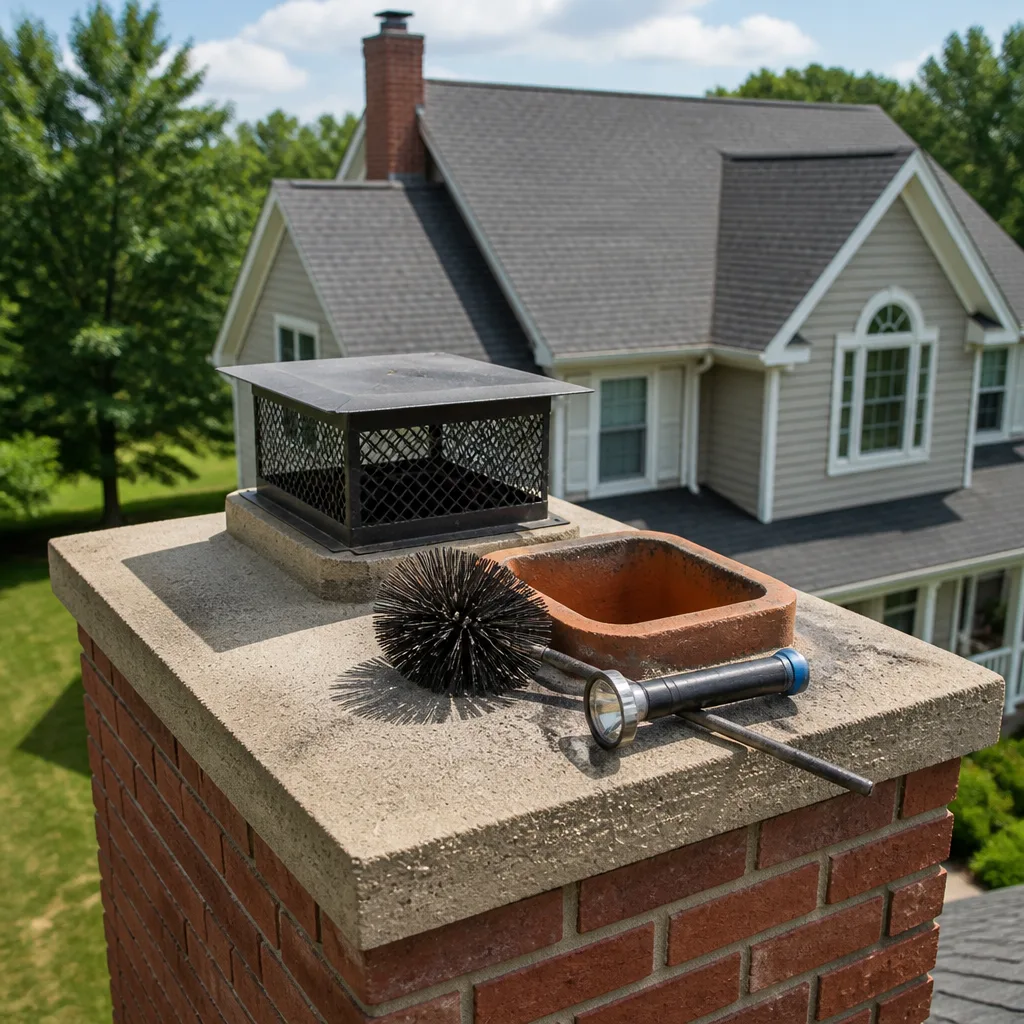 Sweep & inspection
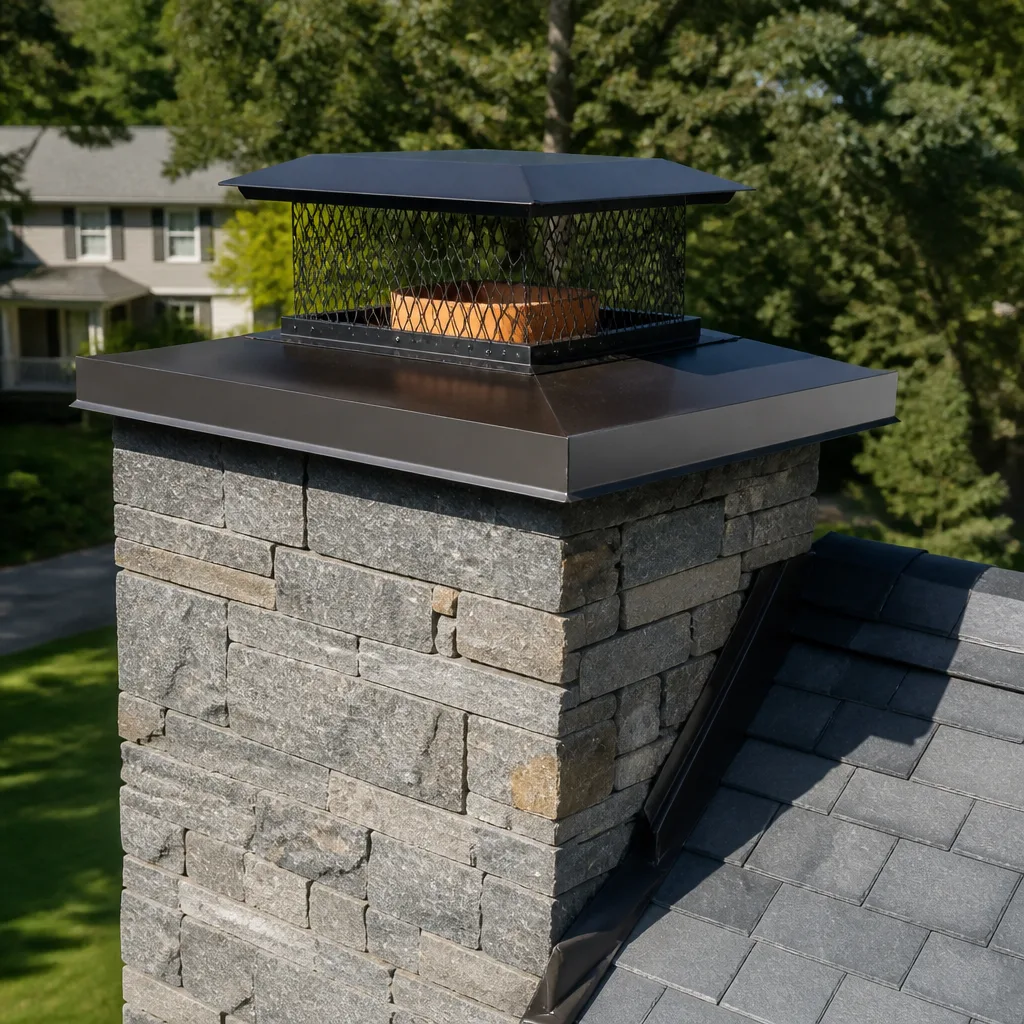 Caps & crowns
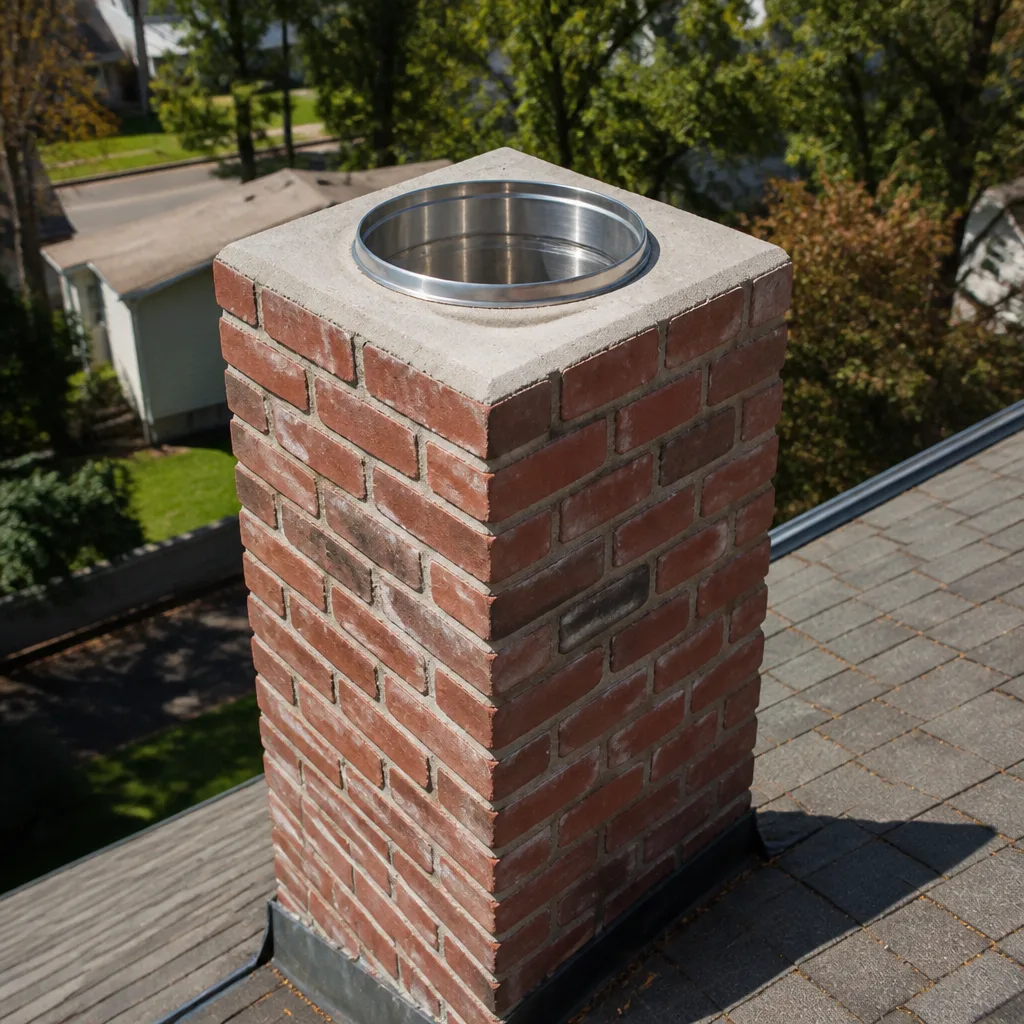 Flue relining
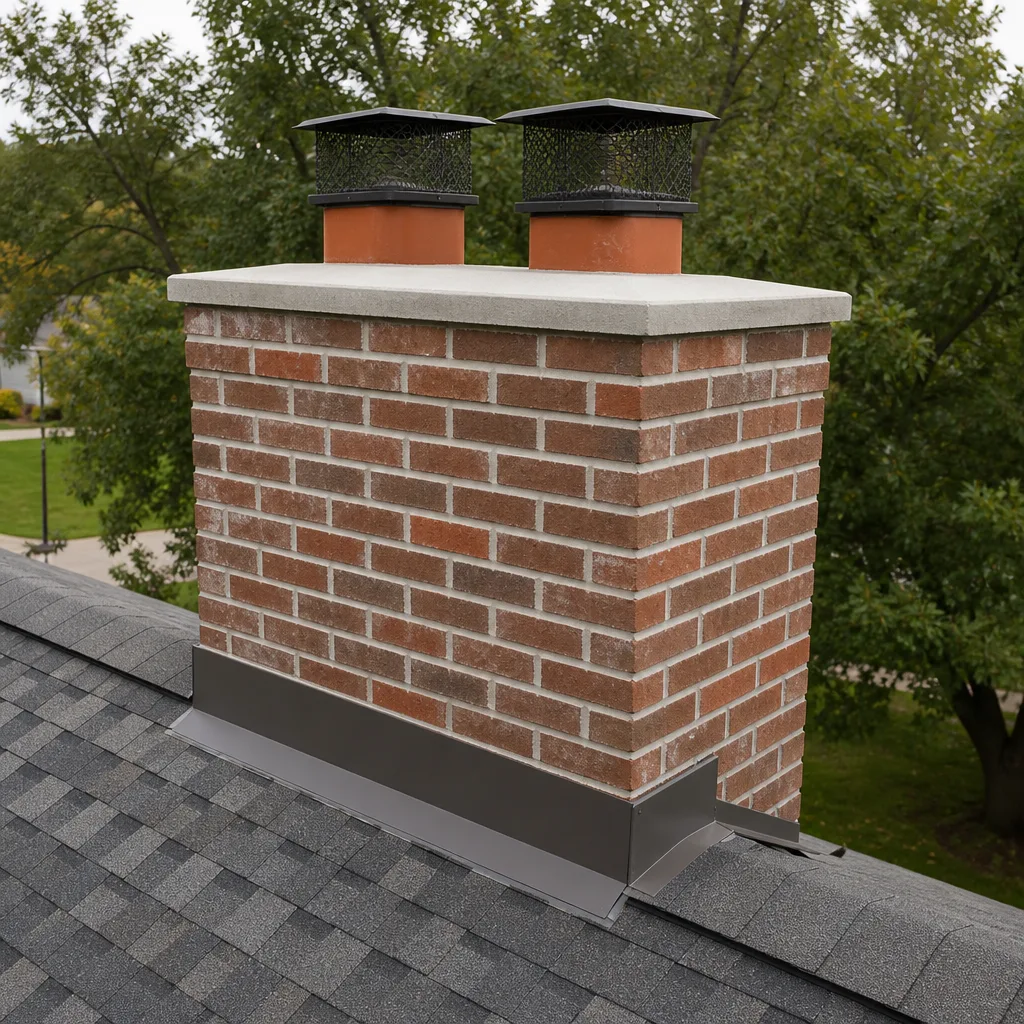 Masonry repair
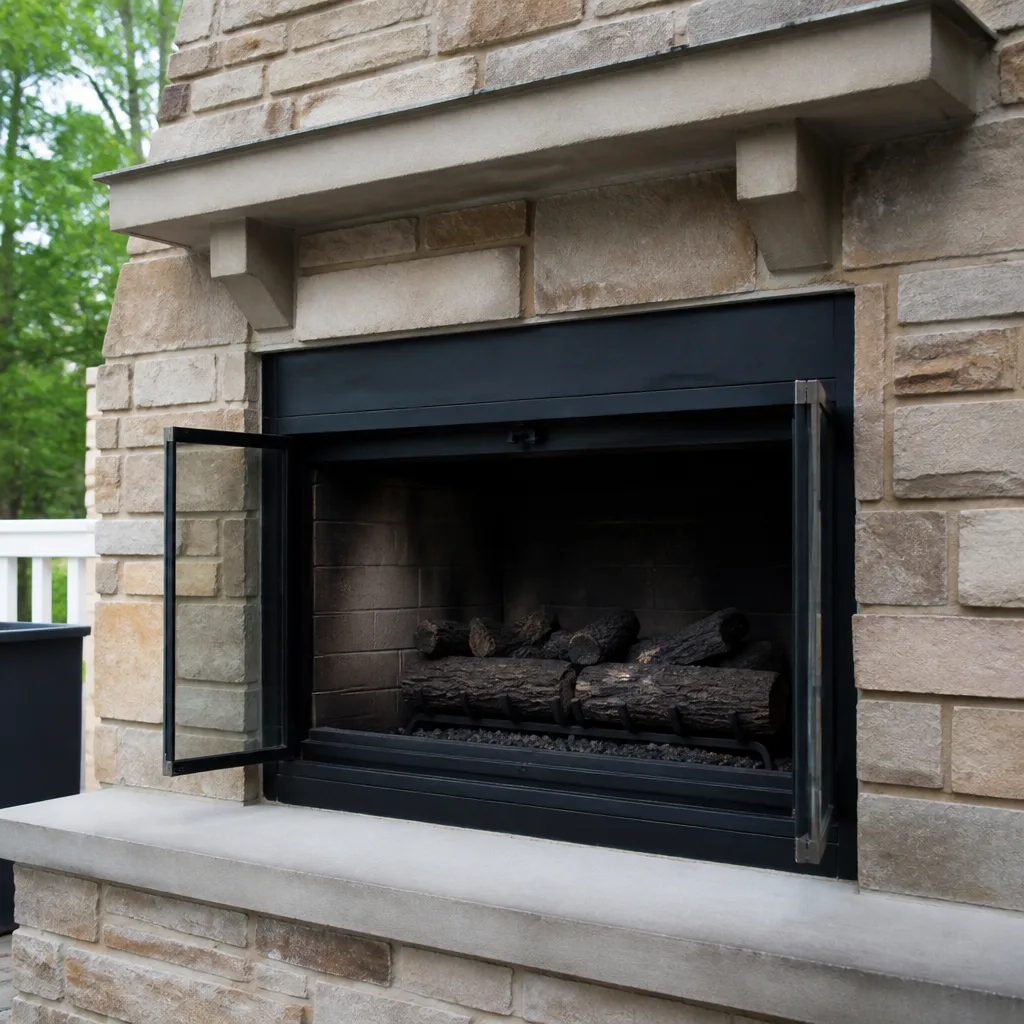 Gas fireplace service
Level 1 sweep and inspection to the NFPA 211 annual standard - flue, crown, cap, and flashing checked and photographed
Chimney sweep logs do not sweep chimneys. They loosen some creosote - which then falls where a brush and vacuum still have to collect it.
Chimney Cleaning Permits, Codes & Inspections in CA: What You Need to Know
Most homeowners assume a chimney sweep is like a haircut: you book it, they come, they leave, nothing changes on paper. That assumption holds for the sweep itself. It falls apart the moment the sweep finds a cracked flue liner, a rusted-through cap, or a termination point that’s been leaking into the attic for three years. California’s Title 24 and the Santa Clara County amendments layered on top of it treat maintenance and repair as two completely different legal categories, and confusing the two is how San Jose homeowners end up with unpermitted liner installations that surface years later during escrow. This guide draws that line clearly: what needs a permit, what doesn’t, what triggers a required inspection, and what paperwork actually protects you. For Chimney Sweep Troubleshooting: Common Problems and How to Fix Them, see our dedicated resource.
Styles & brands we work with
- Sweep & inspection
- Caps & crowns
- Flue relining
- Masonry repair
- Gas fireplace service
Quick Answer
Routine chimney sweeping and visual inspections require no permit anywhere in California. However, chimney liner replacement, flue resurfacing, structural masonry repair, and gas appliance venting changes are classified as alterations under the California Building Code and Santa Clara County amendments, meaning they require permits from the local building department. The line between the two categories is determined by whether the work changes the system’s structure, fuel path, or venting configuration.
Table of Contents
- Maintenance vs. Alterations: Where the Permit Line Falls
- NFPA 211 and Why It’s the Baseline Standard in California
- What Triggers a Level 2 Inspection: Fuel Changes, Fires, and Seismic Events
- Santa Clara County Amendments That Affect Chimney Work in San Jose
- Unpermitted Chimney Work and San Jose Home Sales: What Buyers’ Inspectors Flag
- The Documentation Trail: Paperwork That Satisfies Insurance Claims and Real Estate Disclosure
- Common Mistakes to Avoid
- When to Call a Professional
- Frequently Asked Questions
- The Bottom Line
Maintenance vs. Alterations: Where the Permit Line Falls
California Building Code draws a bright line between two categories of chimney work. It’s not a gray area, and it’s not left to contractor discretion. The distinction matters because it determines whether you need a permit, whether an inspector must sign off, and whether the work creates a paper trail that follows the house.
Maintenance (No Permit Required)
- Chimney sweeping – removing creosote, soot, and debris from the flue interior. This is classified as routine maintenance under CBC Section 108.2, the same category as gutter cleaning or HVAC filter replacement.
- Level 1 visual inspection – a technician examines the accessible portions of the fireplace, chimney, and connector pipes using a flashlight and basic tools. No permit, no filing, no record beyond the inspection report the contractor gives you.
- Chimney cap replacement – swapping a damaged cap for a new one of similar size and configuration, when the flue opening and termination point are unchanged. This is considered a part replacement, not a structural alteration.
- Flue cleaning with rotary brushes or chemical treatments – removing creosote glaze from the flue liner surface does not alter the liner itself, so no permit applies.
Alterations (Permit Required)
- Flue liner replacement – installing a new stainless steel liner, whether rigid or flexible, changes the combustion gas pathway. CBC requires a permit for this in every jurisdiction, including San Jose.
- HeatShield flue resurfacing – resurfacing a damaged clay tile liner with a cast-in-place ceramic product is classified as a repair alteration. Some counties classify it as a repair that requires a permit because it changes the flue’s internal dimensions and material composition.
- Structural masonry repair – rebuilding a crumbling chimney crown, repointing more than 25% of the masonry face, or rebuilding any portion of the chimney above the roofline. This is structural work, full stop.
- Gas appliance venting changes – switching from a wood-burning fireplace to a gas insert, or connecting a gas appliance to an existing flue, requires a permit because it changes the fuel type and often the venting configuration.
- Relocating or resizing a flue – any change to the flue’s path, diameter, or termination point requires plan review and a permit.
In San Jose, the Building Division processes chimney repair permits through the same online portal used for kitchen remodels and roof replacements. The process isn’t onerous, but it does require a licensed contractor to pull the permit and an inspector to verify the work before the system can be used.
NFPA 211 and Why It’s the Baseline Standard in California
NFPA 211 is the National Fire Protection Association’s standard for chimneys, fireplaces, vents, and solid fuel-burning appliances. California adopted it as the baseline reference for chimney inspection and maintenance, but the state doesn’t enforce it directly. Enforcement falls to the local Authority Having Jurisdiction – in San Jose, that’s the Building Division of the city’s Planning, Building, and Code Enforcement Department.
What NFPA 211 does is establish minimum requirements. Local codes can add to these, and Santa Clara County does. The practical takeaway for San Jose homeowners: your chimney might meet NFPA 211 standards and still fail a local inspection because the county added requirements related to seismic straps, spark arrestors, or termination height above rooflines in wildfire-prone zones.
Key NFPA 211 Requirements Homeowners Should Know
- Annual inspection – NFPA 211 requires chimneys, fireplaces, and vents be inspected at least once a year by a qualified professional. The standard doesn’t say “sweep once a year,” it says inspect. The sweep frequency follows from what the inspection finds.
- Three inspection levels – Level 1 covers accessible portions during routine sweeps. Level 2 adds accessible attic, crawlspace, and exterior portions, and is required for property transfers and after system changes. Level 3 involves removing portions of the structure and is reserved for suspected severe damage.
- Creosote threshold – when creosote accumulation reaches 1/8 inch or greater, the flue must be cleaned before the appliance is used. This is a fire-safety baseline, not a courtesy recommendation.
- Clearance to combustibles – NFPA 211 specifies minimum distances between chimney components and combustible materials. Many San Jose homes built before 1990 have clearance violations that only surface during a Level 2 inspection.
In our experience servicing fireplaces across San Jose, the most common NFPA 211 violation we find isn’t creosote at all – though our Chimney Cleaning Warning Signs: A San Jose Homeowner’s Reference Guide covers when buildup becomes dangerous. It’s improper clearance where a chimney passes through an attic or second-floor wall. Builders in the 1970s and early 1980s took shortcuts, and those shortcuts are now three decades past their tolerance window.
What Triggers a Level 2 Inspection: Fuel Changes, Fires, and Seismic Events
A Level 1 inspection is what happens during a routine sweep: the technician looks at the accessible portions of the system and documents condition. A Level 2 inspection is more thorough. It includes video scanning of the flue interior, examination of accessible attic and crawlspace portions, and a check of the exterior termination point from the roof. NFPA 211 requires a Level 2 inspection under specific circumstances, and these triggers are where San Jose homeowners most often get surprised.
When a Level 2 Inspection Is Mandatory
- Any chimney fire – even a small one. A chimney fire can reach temperatures above 2,000°F, which fractures clay tile liners and compromises mortar joints. The damage is often invisible from the firebox. Skipping the Level 2 after a chimney fire is the single most dangerous decision a homeowner can make with a fireplace.
- Any seismic event – in San Jose, this means any earthquake significant enough to crack drywall or shift furniture. Chimneys are the most vulnerable structural component of a house in an earthquake. The 1989 Loma Prieta quake damaged thousands of chimneys across the Santa Clara Valley, and many repairs from that era are now failing.
- Change of fuel type – converting from wood to gas, or from one gas appliance to another, requires a Level 2 inspection before the new appliance is connected. The flue must be verified as compatible with the new fuel’s venting requirements, including diameter, material, and termination point.
- New appliance installation – installing a fireplace insert, a stove, or connecting a new appliance to an existing flue triggers Level 2 requirements. The old flue might have been fine for its original purpose and completely inadequate for the new one.
- Property transfer – most San Jose home sales now include a Level 2 chimney inspection as part of the buyer’s inspection package. It’s not legally mandated by the state, but it’s become a standard contingency in Santa Clara County real estate contracts.
The video scan matters. A Level 2 inspection without a camera is not a Level 2 inspection. We’ve found cracked liners, missing mortar joints, and even a bird’s nest fifteen feet up a flue that looked completely clean from the firebox. The camera shows what the eye can’t reach, and the report becomes part of the home’s documentation.
Santa Clara County Amendments That Affect Chimney Work in San Jose
Santa Clara County amends the California Building Code with local provisions that go beyond baseline requirements. For San Jose homeowners, these amendments matter because they change what’s allowed and what’s flagged during inspections.
Local Amendments Specific to Chimneys and Vents
- Spark arrestor requirements – Santa Clara County requires spark arrestors on all solid fuel-burning chimneys in the wildland-urban interface zone, which includes significant portions of the East San Jose foothills and Almaden Valley. The arrestor mesh must be no larger than 1/2 inch, and it must be listed for the specific chimney type.
- Seismic strapping – since the 1994 Northridge quake, the county has required seismic strapping for masonry chimneys over a certain height and weight, particularly those extending more than six feet above the roofline. A chimney that’s out of compliance with strapping requirements can fail a building inspection even if the flue itself is clean.
- Termination height minimums – the county enforces chimney termination heights based on roof pitch and proximity to adjacent structures. The rule is simple: the chimney must terminate at least three feet above the point where it penetrates the roof and at least two feet above any structure within ten feet. Failure to meet this standard is a common inspection flag on San Jose homes with steep pitched roofs or additions built closer to the chimney than original plans showed.
- Gas appliance venting restrictions – Santa Clara County restricts the use of single-wall vent connectors for gas appliances in certain configurations. When a San Jose homeowner converts from wood to gas, the venting path must comply with these restrictions, which sometimes means upgrading the entire flue liner to a listed stainless steel system.
These are the requirements that catch homeowners off guard. The chimney has worked fine for twenty years, so they assume it meets code. It might have met code in 2003. It doesn’t meet the 2025 code, and the county enforces current standards on any permitted work.
Unpermitted Chimney Work and San Jose Home Sales: What Buyers’ Inspectors Flag
Here’s the scenario we see repeatedly in San Jose, and it’s almost always discovered the same way. A homeowner replaced a clay tile liner with a stainless steel liner ten years ago. The installer didn’t pull a permit because the job was “just a liner swap” and pulling a permit would add two weeks to the timeline. The homeowner didn’t know better. The work was done well, the liner is functioning fine, and the system passes every visual inspection.
Then the homeowner lists the house for sale. The buyer’s inspector, working through a standard Santa Clara County real estate inspection checklist, notes that the liner was replaced and asks for the permit. There isn’t one. Now the seller has three options: disclose the unpermitted work and negotiate a price reduction, pull a retroactive permit which requires opening walls to verify clearances, or risk the deal falling through entirely.
This happens constantly in San Jose’s competitive real estate market, where Bay Area buyers often waive inspection contingencies only to discover during escrow that the chimney documentation is missing. The California disclosure requirements are strict: sellers must disclose all known material facts about the property, including unpermitted work, using the Transfer Disclosure Statement and the supplemental Seller Property Questionnaire. Failure to disclose unpermitted chimney work is a misrepresentation that can result in post-sale liability.
What Buyers’ Inspectors Specifically Flag
- Stainless steel liners without permits – inspectors can identify aftermarket liner installations by the visible top plate at the termination point and the absence of a permit record
- Masonry repair with mismatched mortar – repointing that doesn’t match the original mortar color or composition signals recent work without documentation
- Gas inserts installed without venting permits – the gas line and venting path changes require permits, and inspectors verify both
- Caps and termination points that don’t match the flue size – a cap that’s clearly not matched to the flue diameter suggests an improvised fix
The fix isn’t always expensive. Sometimes it’s as simple as pulling the permit retroactively and having the work inspected. But if the inspector can’t verify clearances or the liner’s listing status because walls were closed up, the fix might mean opening the chase to expose the entire flue path. That’s a four-figure project that could have been a hundred-dollar permit fee at the time of installation.
The Documentation Trail: Paperwork That Satisfies Insurance Claims and Real Estate Disclosure
If your chimney system is altered or repaired, the paperwork matters as much as the work itself. In San Jose, where both insurance companies and real estate transactions demand documentation, the paper trail is what separates a protected homeowner from an exposed one.
What Your Contractor Should Provide
- Permit number and inspection sign-off – for any permitted work, the contractor should provide the permit number and a copy of the final inspection approval from the city. Both documents go in the home’s permanent file.
- Material listing documentation – every component installed should have a listing from a recognized testing laboratory (UL, ITS, or equivalent). For liner systems, this means the manufacturer’s listing documentation showing the specific model and configuration. Materials like DuraFlex stainless steel liners and Copperfield caps carry specific listings that inspectors and insurance adjusters verify.
- Before and after inspection reports – the Level 2 video scan report that identified the problem, and the post-work verification scan showing the completed installation. These two documents together tell a complete story.
- Installer credentials – the contractor’s license number (verified against the CSLB database) and the name of the technician who performed the work. Insurance companies sometimes ask for this level of detail on chimney claims.
- Warranty information – manufacturer warranties for the liner, cap, or resurfacing material. For HeatShield applications, this includes the specific warranty terms for the ceramic flue resurfacing.
For a homeowner dealing with an insurance claim after a chimney fire or water intrusion event, this documentation package is the difference between a covered claim and a denied one. Insurers increasingly require evidence that the chimney was properly maintained and that any repairs used listed materials installed by a licensed contractor.
In our experience as a chimney sweep in Blossom Valley and the surrounding San Jose area, the documentation we provide after every inspection and repair is what homeowners pull out years later when the real estate agent asks for the chimney file. It should be organized, it should be complete, and it should include every document listed above.
Common Mistakes to Avoid
- Assuming a sweep includes a permit check – a chimney sweep is maintenance, not a code compliance review. We identify code issues during our work, but the standard sweep itself doesn’t verify permit status for past work. Ask explicitly.
- Using a handyman for liner replacement – liner replacement is a permit-required alteration. A handyman without a contractor’s license can’t pull the permit, and unpermitted liner work is exactly what surfaces during escrow. This is specialist work, full stop.
- Trusting that the previous owner’s work was permitted – San Jose homes built in the 1980s and 1990s frequently have unpermitted chimney modifications. Verify before you assume. The city’s building records are available to the public, and a competent chimney contractor can check them.
- Skipping the Level 2 after a chimney fire – this is the one that keeps us up at night. A chimney fire can damage a liner invisibly. The system works fine, until it doesn’t. The failure mode is a house fire.
- Assuming the county’s online permit search is complete – San Jose’s online records go back to roughly 2000, but older permits may only exist on microfiche at the county recorder’s office. A missing online record doesn’t always mean unpermitted work. Sometimes it means the record hasn’t been digitized.
- Replacing a cap with the wrong size – a cap that doesn’t match the flue diameter creates draft problems and fails inspection. This seems small, but it’s a consistent issue we address as part of chimney repair in Blossom Valley.
- Ignoring dryer vent requirements – the same mechanical code that governs chimneys also governs dryer vents. Santa Clara County requires dryer vents to terminate outside with smooth-walled metal duct, not vinyl or foil. We handle dryer vent cleaning in Blossom Valley regularly, and the most common code violation we find is improper vent material that was never corrected.
When to Call a Professional
You need a chimney specialist, not a generalist, when the issue involves the flue interior, the liner, the termination point, or any structural component of the chimney system. This includes any sign of cracked tiles, spalling brick, rust on the damper, water staining on the ceiling near the chimney, or a fire that burned faster or hotter than usual. You also need professional help when documentation matters: a real estate disclosure, an insurance claim, or a pre-purchase inspection that flagged a chimney issue. The specialist verifies the system meets NFPA 211 and local Santa Clara County requirements, identifies what’s maintenance and what’s alteration, and provides the paperwork trail that protects you later. Chimney Sweep Blossom Valley offers free estimates in San Jose. Call (833) 593-5179 for a Level 1 or Level 2 inspection, or to document chimney work you’re planning to have done.
Frequently Asked Questions
No. Chimney sweeping is classified as routine maintenance under the California Building Code and requires no permit in San Jose or anywhere else in Santa Clara County. The permit question applies to the repair work a sweep might reveal, not the sweep itself.
HeatShield ceramic flue resurfacing is classified as a repair alteration that typically requires a permit in Santa Clara County, because it changes the flue’s internal dimensions and material composition. Your contractor should verify with the San Jose Building Division before starting. The specific classification can depend on the scope and whether the resurfacing is classified as in-kind repair or alteration.
A Level 1 inspection in San Jose typically runs $150 to $250, while a Level 2 inspection with video scanning runs $300 to $500 depending on chimney height, access, and whether the system includes multiple flues. Call (833) 593-5179 for an exact quote, estimates are free.
You must disclose it. California law requires sellers to disclose all known material facts, including unpermitted work, using the Transfer Disclosure Statement and Seller Property Questionnaire. Failure to disclose creates liability. In practice, most sellers address the issue by either pulling a retroactive permit or negotiating a price adjustment with the buyer.
NFPA 211 requires annual inspection, and sweeping should happen whenever creosote accumulation reaches 1/8 inch or there’s visible soot buildup. Our Chimney Sweep Maintenance Checklist for San Jose Homeowners helps you track these intervals. In San Jose, where the burn season runs roughly November through March, most homeowners with regular fireplace use need one sweep per year. Homes that burn unseasoned wood or use the fireplace daily may need two.
Yes. Installing a gas insert changes the fuel type and venting configuration, both of which trigger permit requirements under the California Mechanical Code and Santa Clara County amendments. The work requires a Level 2 inspection before installation and a final inspection after, and it must be performed by a contractor with the appropriate license.
The Bottom Line
The rule is simpler than most San Jose homeowners expect: sweeping and inspection are maintenance, everything that changes the system is alteration, and alteration requires a permit. The permit isn’t bureaucracy. It’s the documentation that proves the work meets current code, protects you in an insurance claim, and keeps a home sale from derailing over missing paperwork. If you’re not sure whether planned chimney work needs a permit, call the San Jose Building Division or ask your chimney contractor to verify before work begins. You can also browse more guides & resources on our blog. A competent specialist will know the line, pull the permit when required, and provide the paper trail that follows the house. For a free estimate on chimney inspection, sweeping, or repair in San Jose, call (833) 593-5179.
Written by the team at Chimney Sweep Blossom Valley, serving San Jose since 2014.
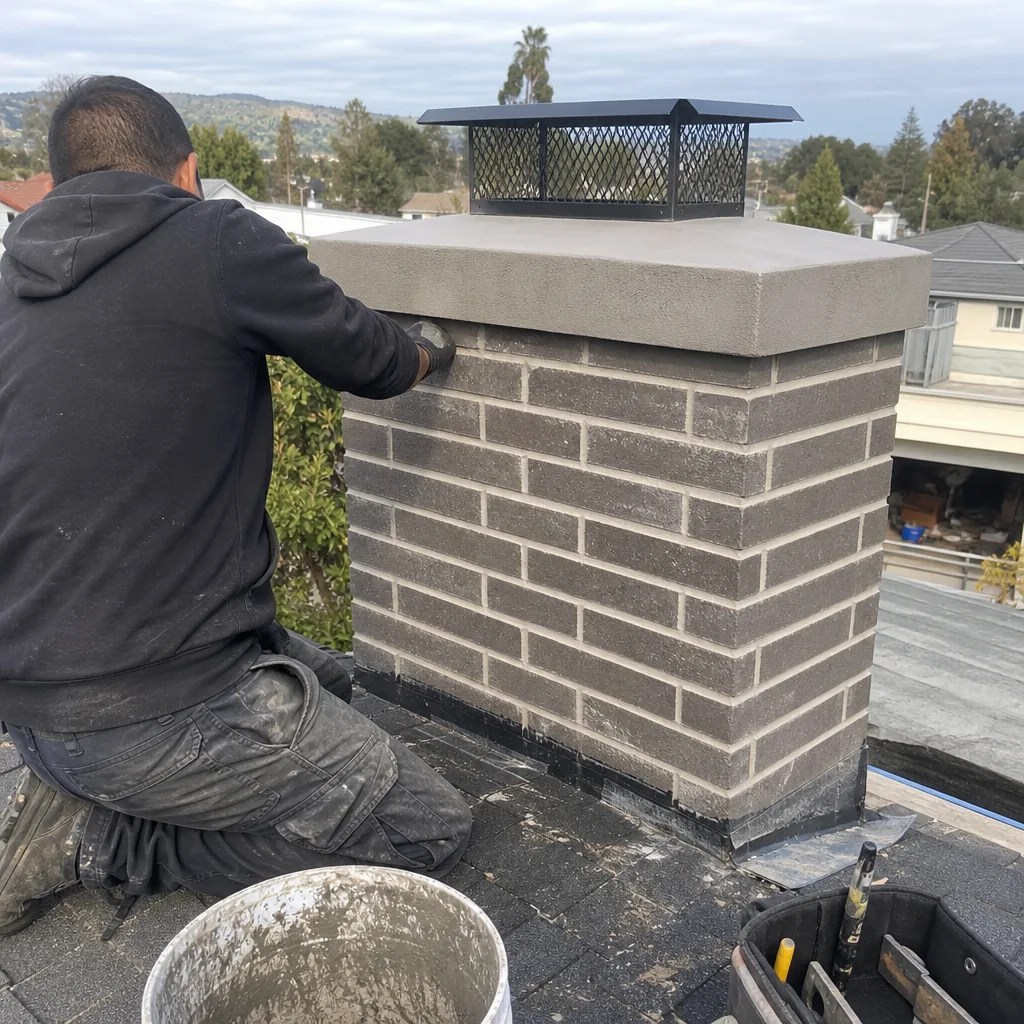
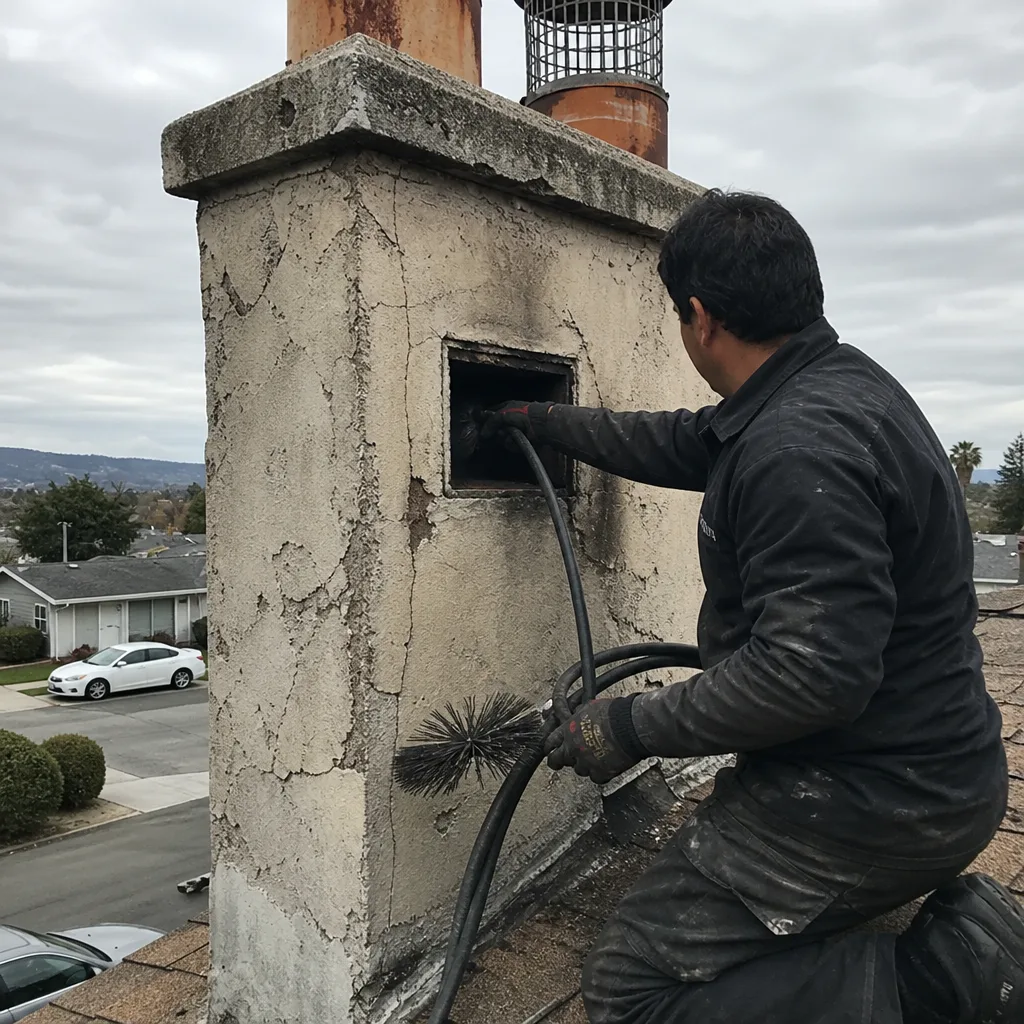
See the difference
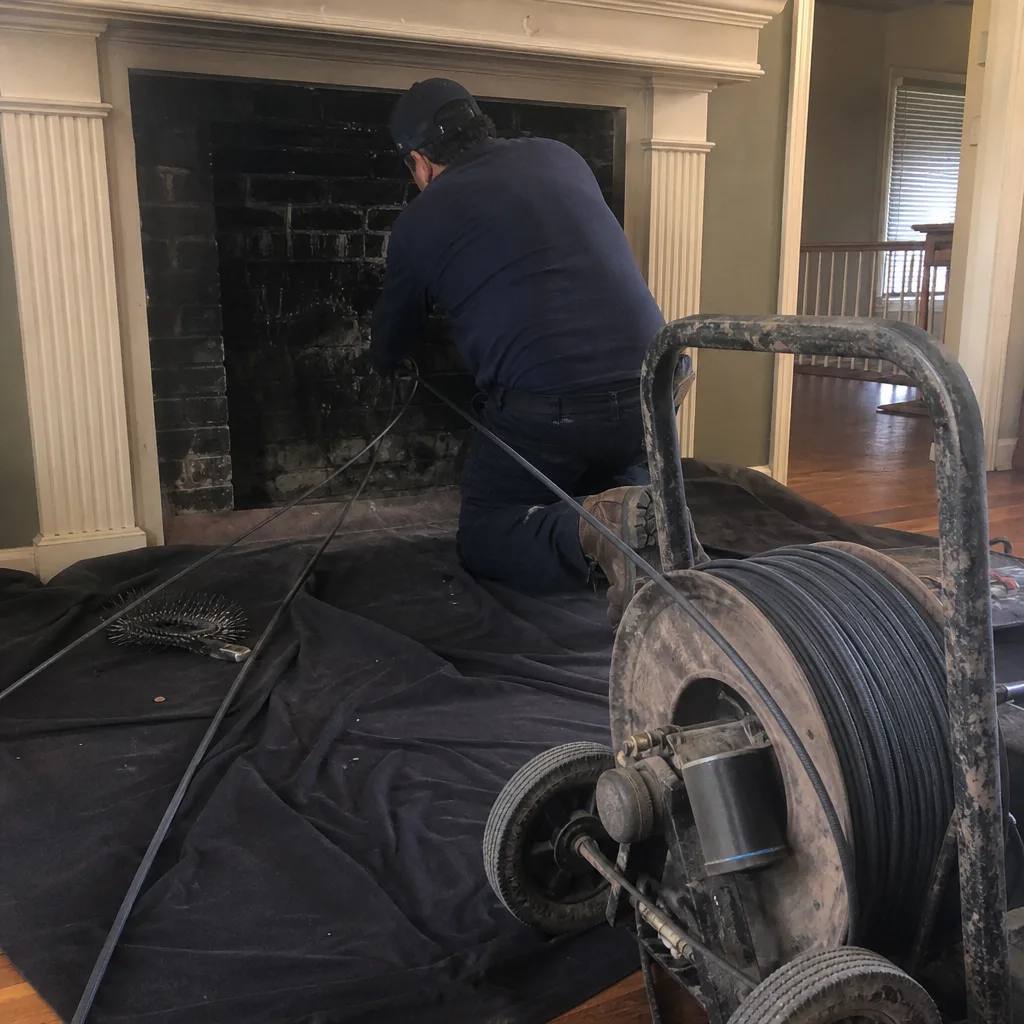 Before
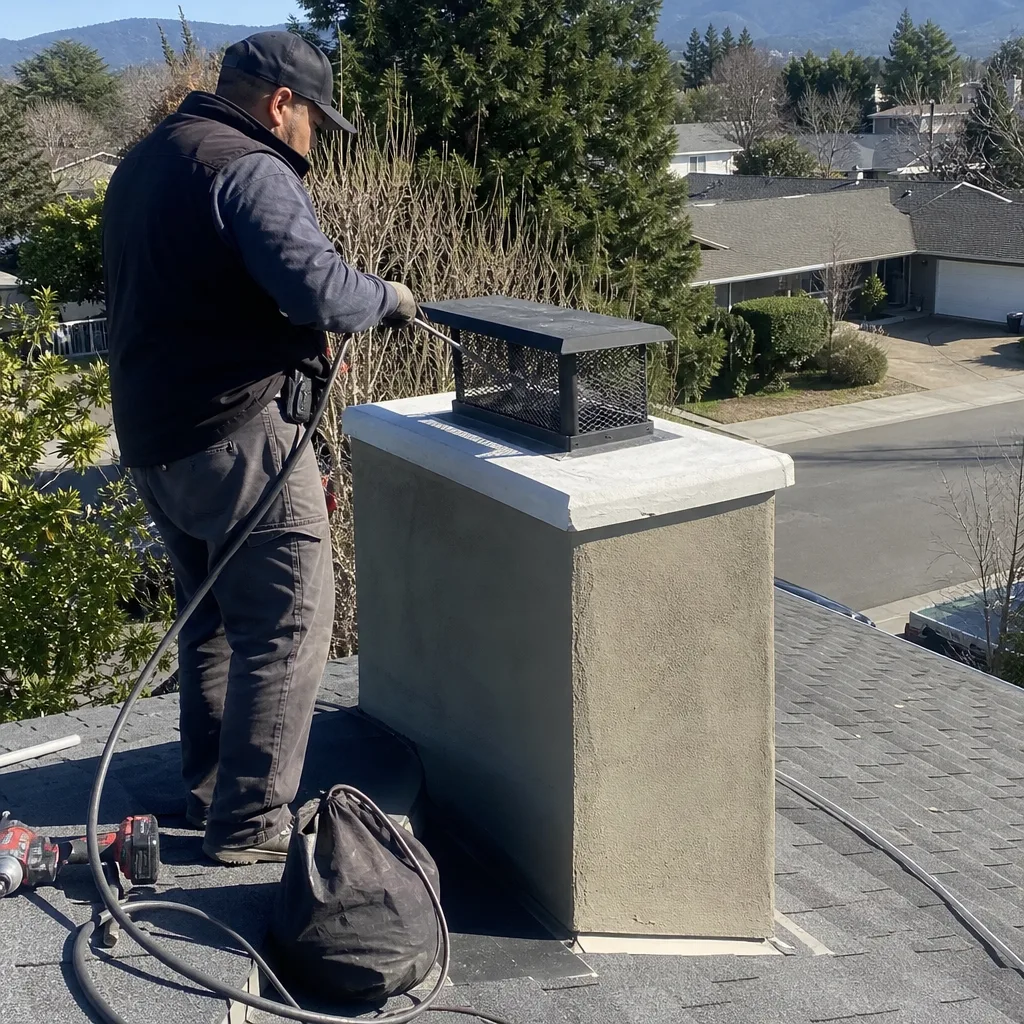 After
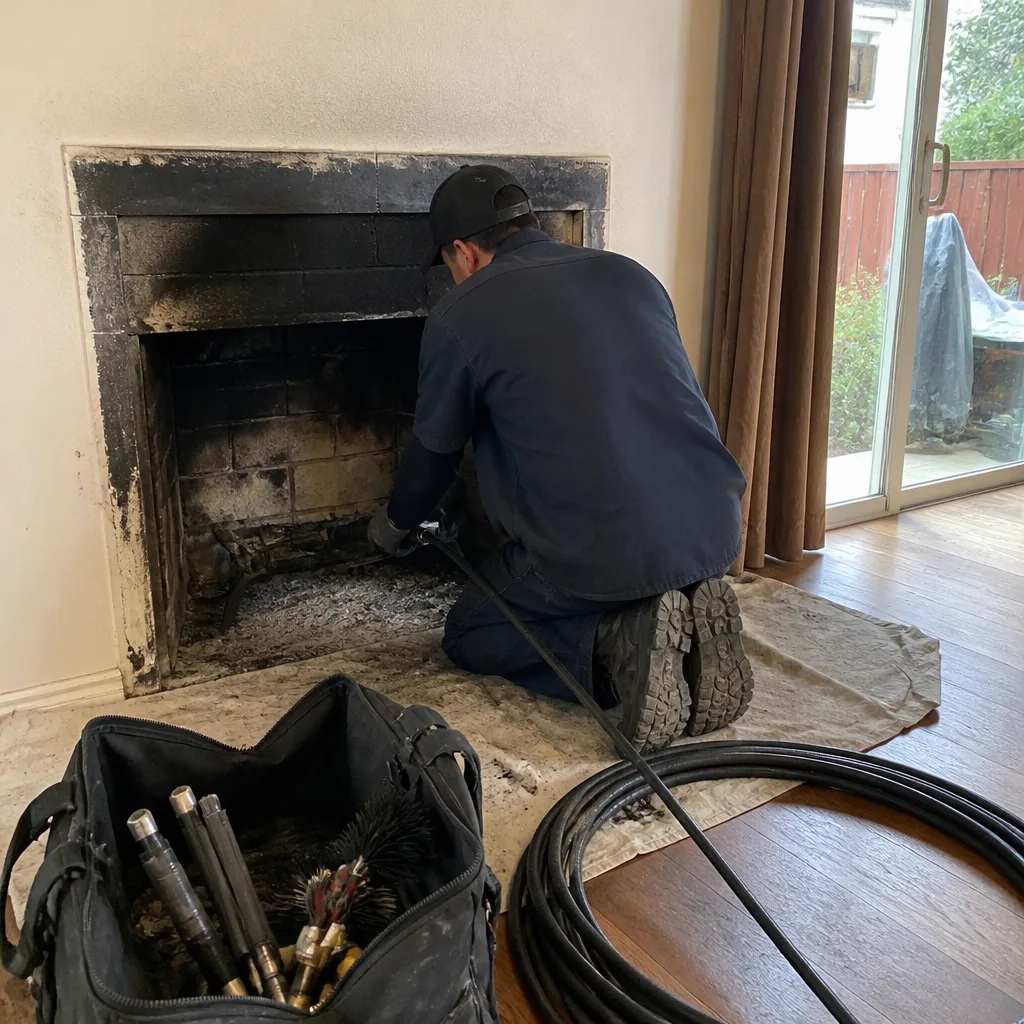 Before
 After
 Before
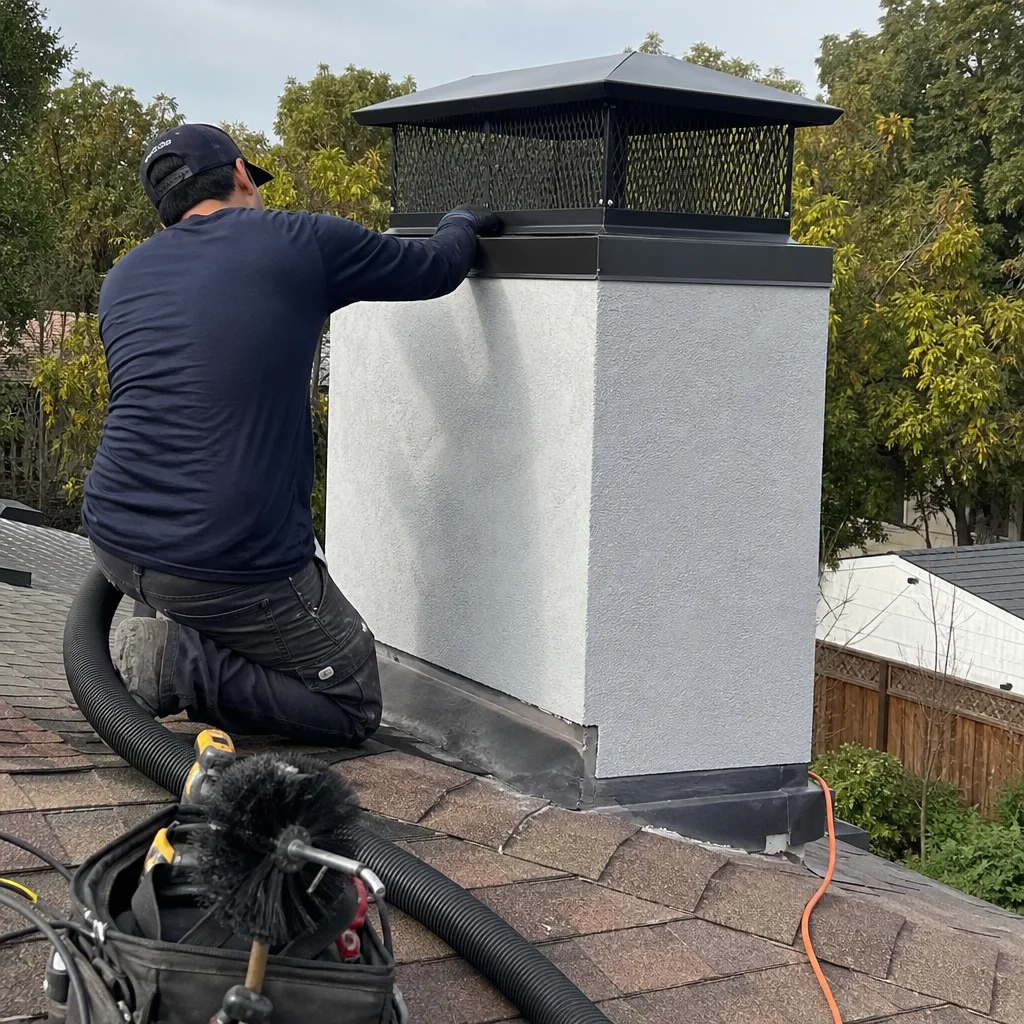 After