
Last updated November 3, 2026
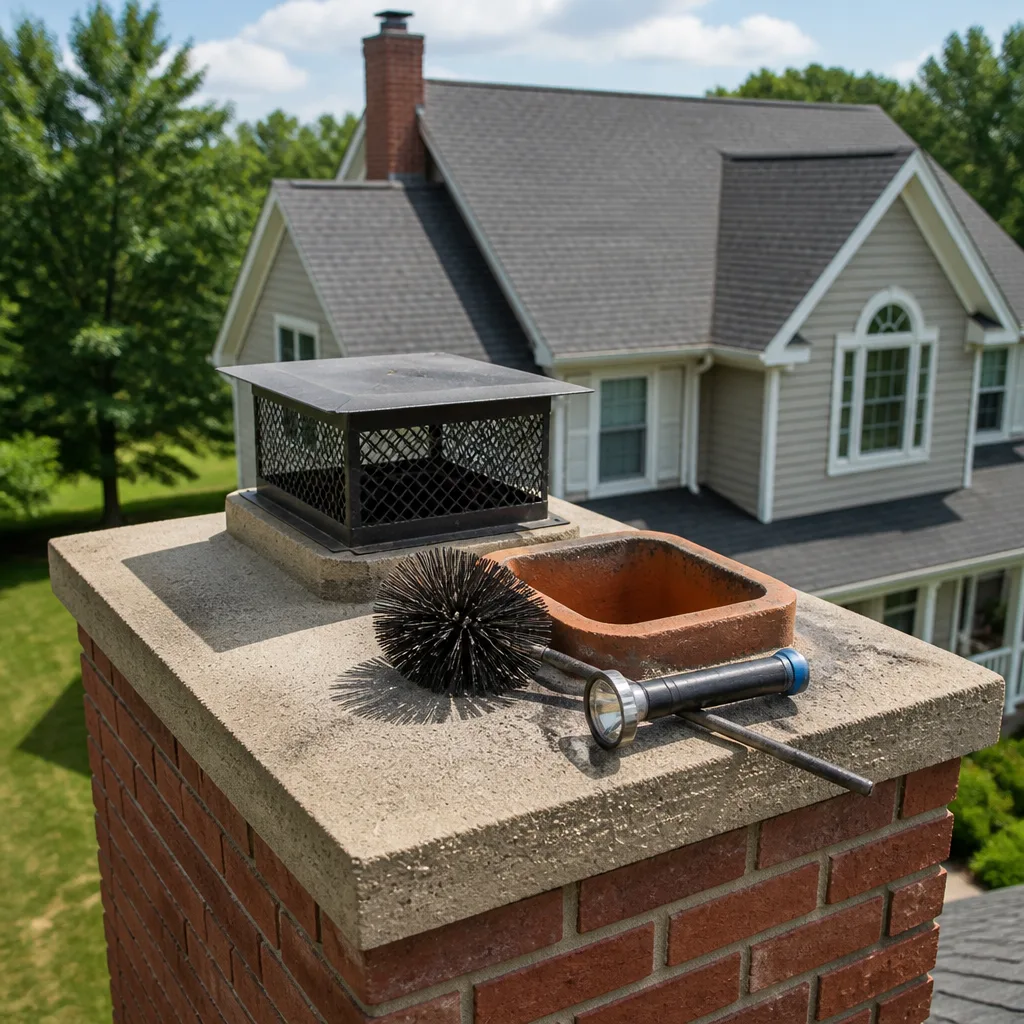 Sweep & inspection
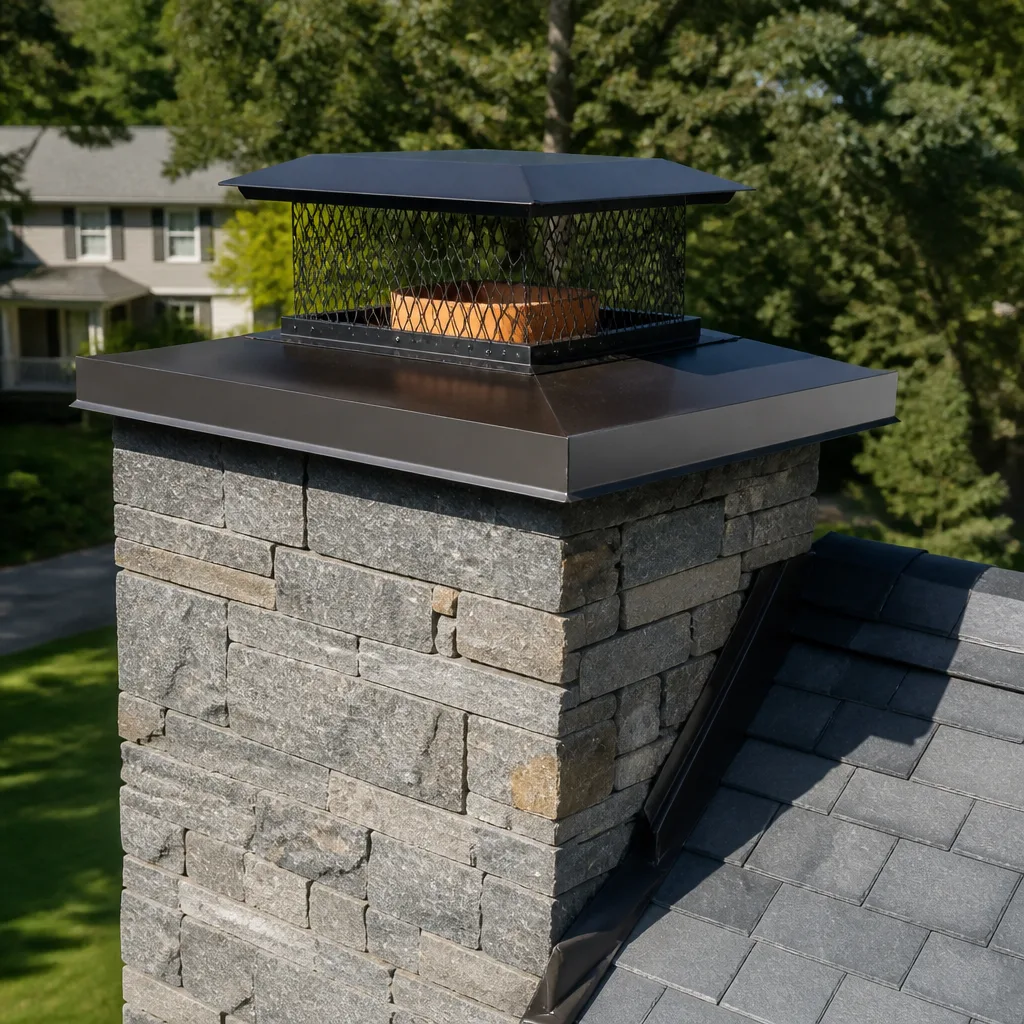 Caps & crowns
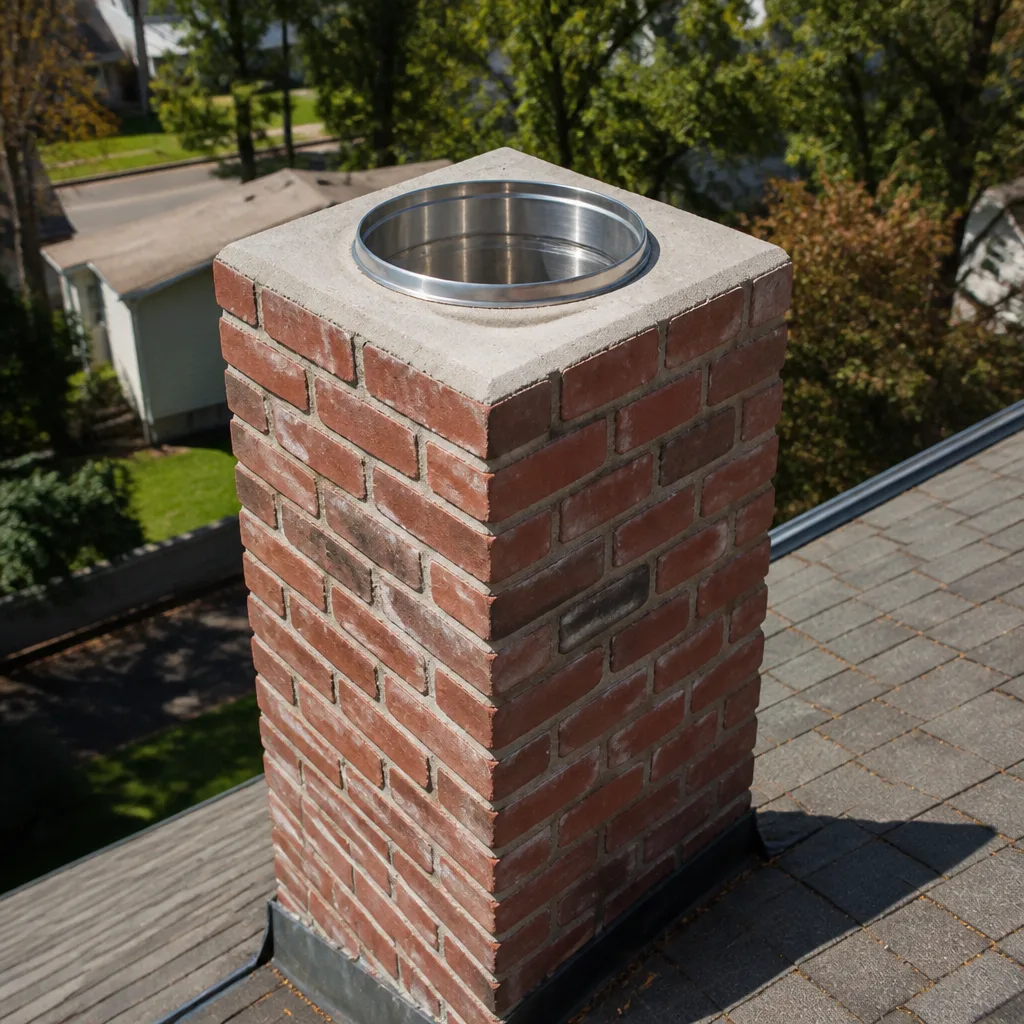 Flue relining
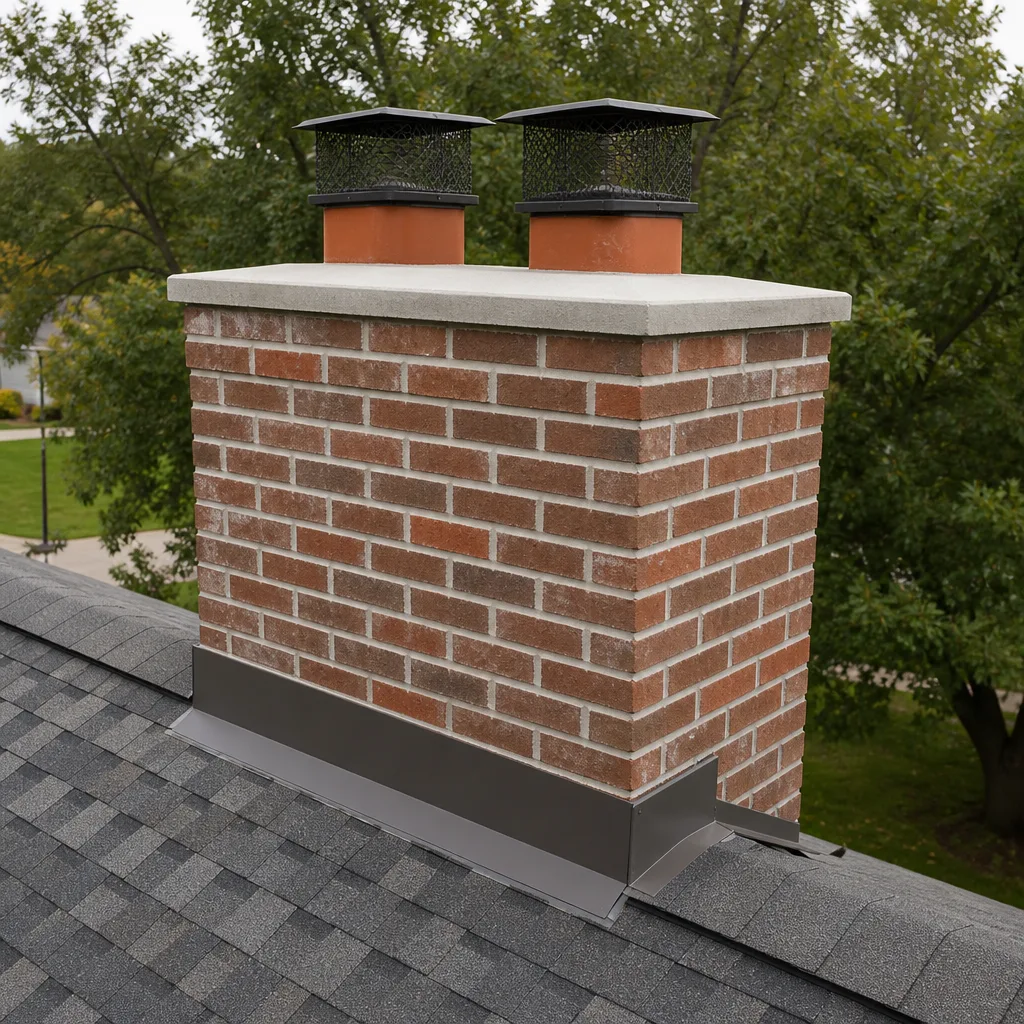 Masonry repair
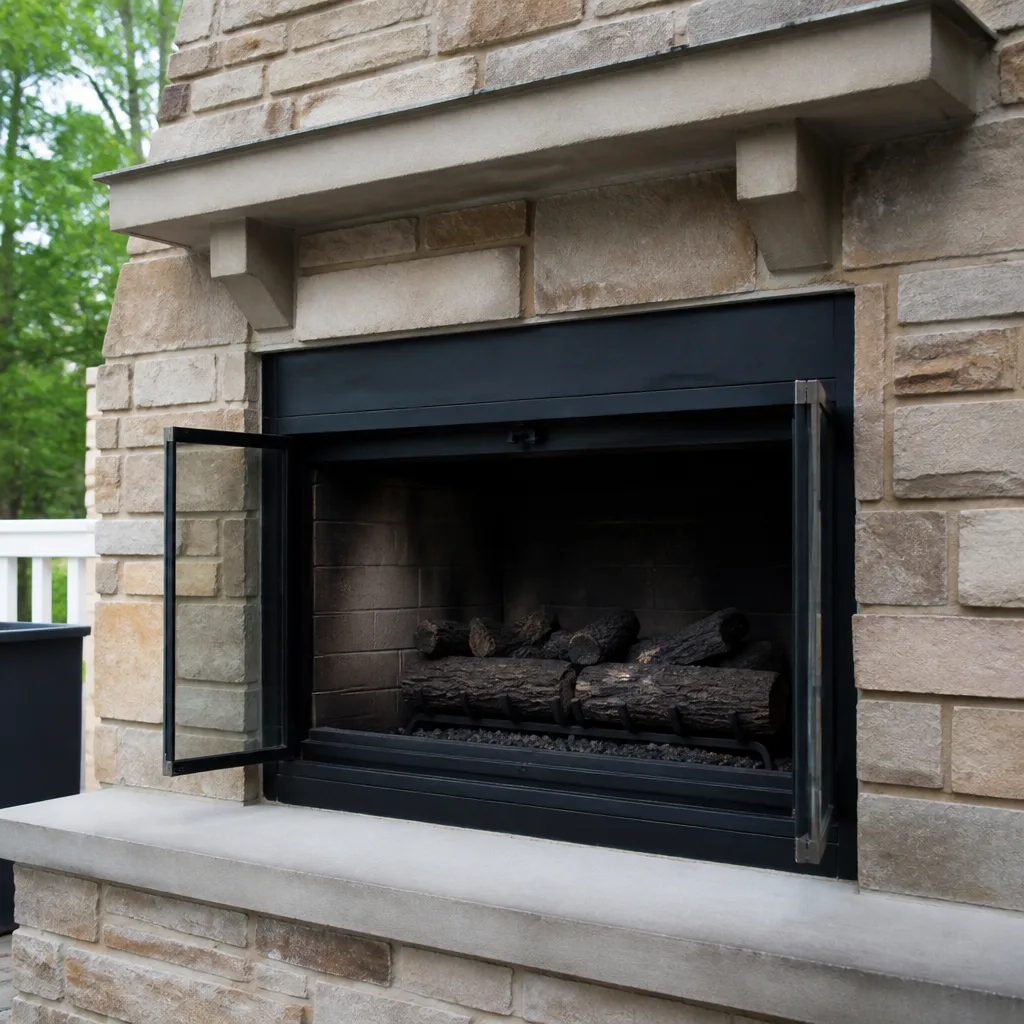 Gas fireplace service
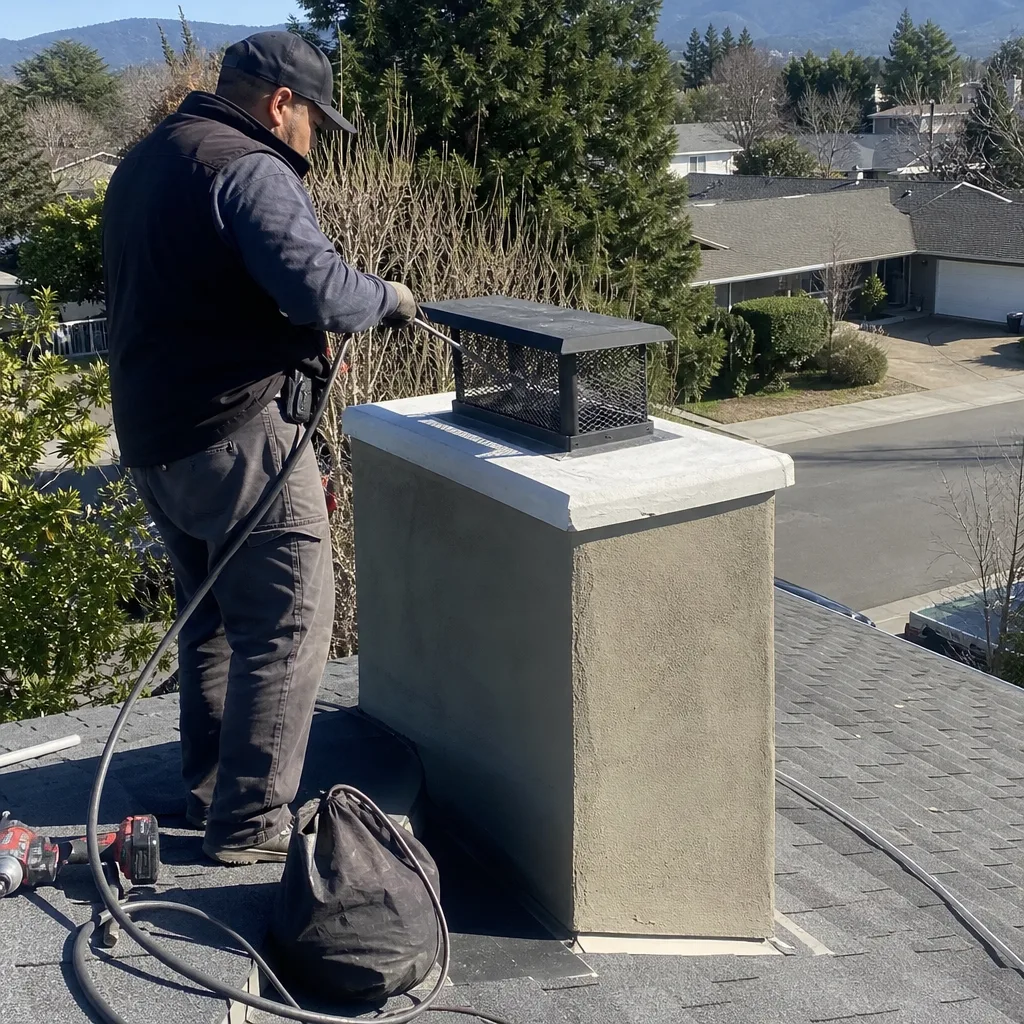
Level 1 sweep and inspection to the NFPA 211 annual standard - flue, crown, cap, and flashing checked and photographed
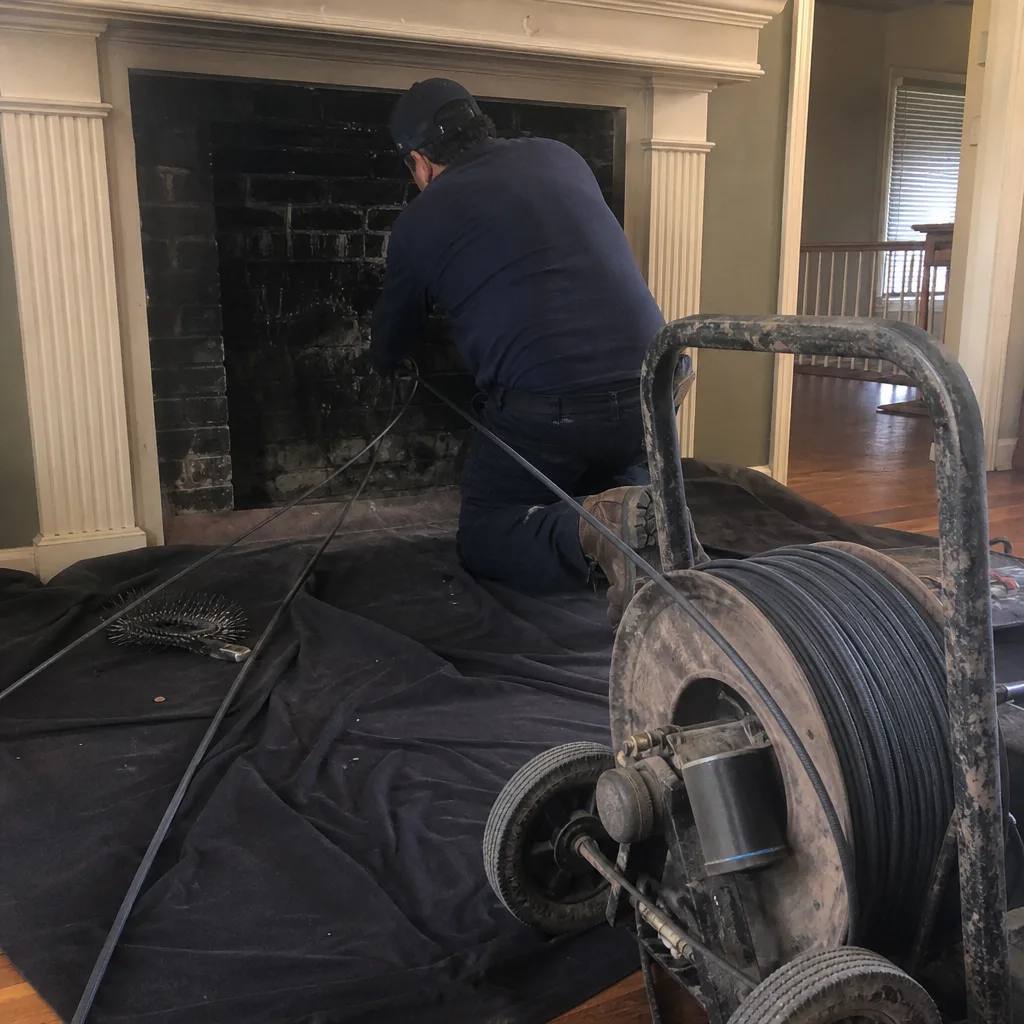
Chimney sweep logs do not sweep chimneys. They loosen some creosote - which then falls where a brush and vacuum still have to collect it.
Choosing the Right Chimney Cleaning Brand: A Buyer’s Guide for San Jose
Most homeowners couldn’t name a single chimney liner brand, and that’s exactly what the bargain-brush industry counts on. The materials your chimney sweep stocks are a window into how seriously they take fire safety, warranty coverage, and the longevity of repairs. In San Jose, where damp winters and salt-tinged air from the Bay stress every exterior metal component, the difference between a trade-grade product and a hardware-store substitute can mean the difference between a 20-year repair and a 3-year callback. This guide explains the brands that actually matter in chimney work, why they’re specified by specialists, and how to use that knowledge to vet any contractor before they touch your flue or dryer vent – or see our Complete Chimney Sweep Guide for San Jose Homeowners for more detail.
Styles & brands we work with
- Sweep & inspection
- Caps & crowns
- Flue relining
- Masonry repair
- Gas fireplace service
Quick Answer
The right chimney cleaning brand choice isn’t about the brush; it’s about the materials your sweep specifies for repairs, liners, caps, and venting. For a deeper look at the full process, read The Complete Chimney Sweep Guide for San Jose Homeowners. In San Jose, professional chimney specialists work with trade-channel brands like DuraFlex for stainless liner systems, HeatShield for ceramic flue resurfacing, and Copperfield or Olympia Chimney for caps and termination hardware. A contractor who stocks these products has made a supply-chain commitment that signals specialization; a contractor who grabs generic parts at a big-box store hasn’t. The fastest vetting question: ask what brand of liner they install and why.
Table of Contents
- Why Chimney Brands Matter More Than the Brush
- DuraFlex: The Liner System That Separates Specialists From Sweep-and-Runs
- HeatShield: A Ceramic Repair Option Most Sweeps Don’t Offer
- Copperfield and Olympia Chimney: Where Material Grade Meets Bay Area Weather
- How to Use Brand Knowledge as a Vetting Tool
- Warranty Implications: Certified Installation and Brand Backing
- The Dryer Vent Connection: Famco and Purpose-Built Venting
- San Jose Market Realities: What Local Conditions Demand
Why Chimney Brands Matter More Than the Brush
Here’s the counterintuitive part: a chimney sweep’s brush is nearly irrelevant. Any technician can push bristles up a flue. What separates a safety-focused specialist from a low-bid generalist is the materials they install when the sweep reveals a problem, and those materials are where brand selection becomes a fire-safety decision.
The chimney trade has its own supply channel, largely invisible to homeowners. Professional distributors stock liner systems, resurfacing compounds, caps, dampers, and termination components that never appear on retail shelves. These products, manufactured by companies like DuraFlex, HeatShield, Gelco, Olympia Chimney, Famco, and Copperfield, are built to specifications that matter in real-world use: alloy composition that resists flue gas corrosion, ceramic formulations that bond to deteriorated clay tile, cap designs that hold up to coastal moisture. Generic alternatives often look similar and cost less, but they fail sooner, void manufacturer warranties, and leave systems vulnerable to the exact hazards a sweep is supposed to prevent.
For a San Jose homeowner, this matters more than in drier inland markets. The Bay Area’s winter humidity, occasional salt air drift, and temperature swings put real stress on metal components. A thin-gauge hardware-store cap might survive a few seasons in Phoenix. On a San Jose rooftop, it will rust through, let water into the flue, and accelerate liner deterioration. Choosing a contractor who specifies trade brands is choosing someone who has already accounted for the conditions your chimney actually faces.
We see the consequences every season during our Chimney Sweep in Blossom Valley visits: corroded caps, delaminated liner sections, and flues that failed years early because someone installed the cheapest available part.
DuraFlex: The Liner System That Separates Specialists From Sweep-and-Runs
When a chimney professional tells a San Jose homeowner they need a new flue liner, the first question should be: what brand? If the answer is vague, you’re talking to someone who doesn’t stock product and will likely order whatever is cheapest at the supply house that morning. If the answer is DuraFlex, you’re talking to a specialist who has made a deliberate purchasing decision.
DuraFlex is a stainless steel chimney liner system manufactured specifically for residential flue relining. It’s the product category leader among certified chimney professionals, and for technical reasons that translate directly into homeowner safety and longevity. The alloy is formulated to resist the corrosive byproducts of combustion, including the acidic condensate produced by high-efficiency gas appliances. That’s a critical distinction: older gas inserts and newer high-efficiency furnaces vent at lower temperatures, which means more condensation forms inside the flue. A generic stainless liner or, worse, an unlined masonry flue will deteriorate rapidly under those conditions. DuraFlex is specified for exactly this application.
There’s a verification step San Jose homeowners should take. Some contractors will say they install a “stainless liner” without naming the manufacturer. That’s a red flag. Stainless steel varies dramatically in alloy composition, wall thickness, and connection integrity. An equivalent-looking liner from an off-brand supplier may not carry the same corrosion resistance or the same manufacturer warranty. Asking the direct question – “what brand of liner do you install, and what’s the alloy?” – is the single most effective way to separate a specialist from a generalist. A contractor who hesitates or says “whatever the supplier has” has told you everything you need to know.
DuraFlex liners are also used in Chimney Repair in Blossom Valley projects where the original clay tile liner has cracked or shifted, particularly in earthquake-prone regions like the South Bay. The flexibility of the liner allows it to negotiate offsets in older masonry chimneys without the demolition work a rigid replacement would require.
HeatShield: A Ceramic Repair Option Most Sweeps Don’t Offer
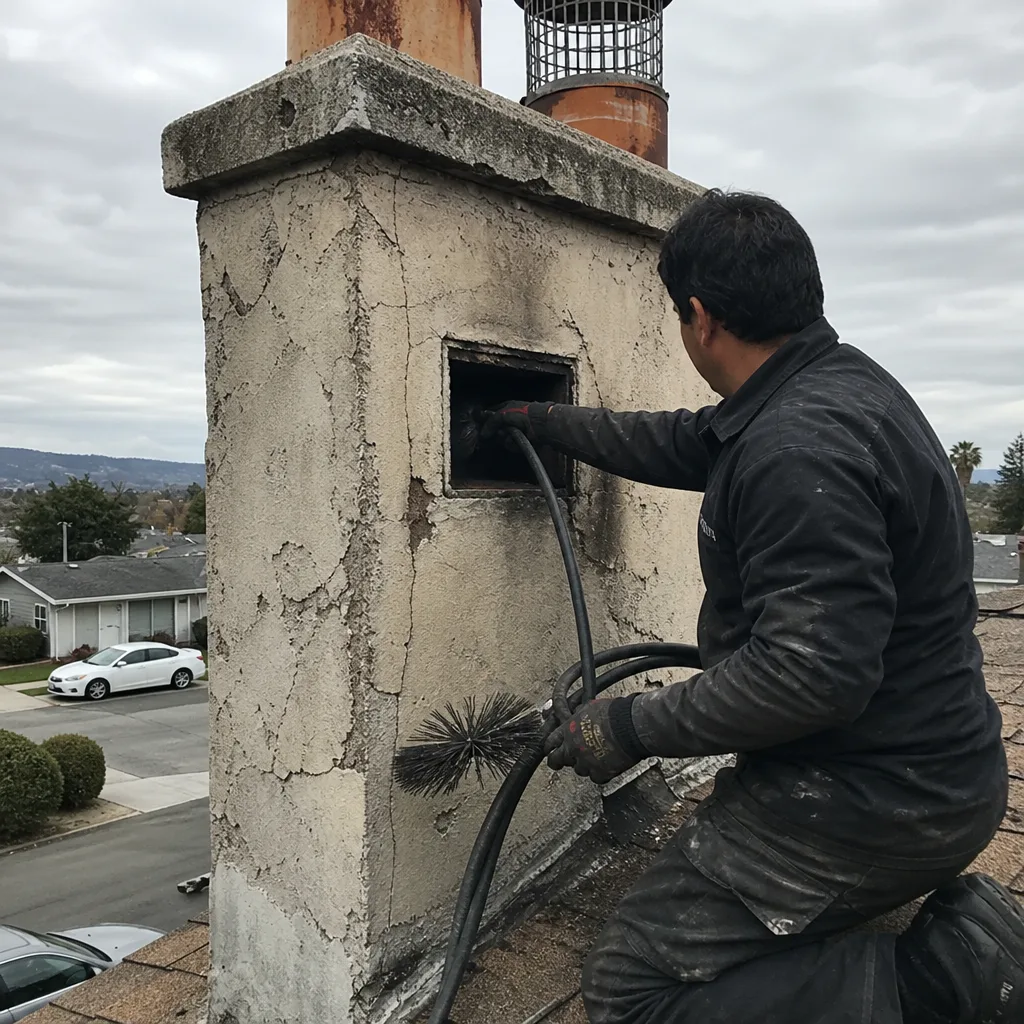
HeatShield is the name most homeowners have never heard, and that’s telling. It’s a ceramic flue resurfacing system that repairs deteriorated clay tile liners from the inside, essentially coating the existing flue walls with a heat-cured cerfiber compound. The result is a smooth, insulated, fire-resistant surface without the cost and disruption of a full relining or chimney rebuild.
The technical distinction matters. Relining with stainless steel, as described above, involves installing a new liner inside the existing flue. HeatShield doesn’t replace the flue; it restores the existing clay tile surface. In situations where the clay tiles are cracked but not structurally collapsed – common in older San Jose homes with original masonry chimneys – HeatShield can be the better choice on both technical and cost grounds. It preserves the original flue dimensions, eliminates the gaps and mortar joints where heat and gases escape, and can be applied in chimneys with offsets that would complicate a rigid liner installation.
Here’s the thing most sweep-only services won’t tell you: they can’t offer HeatShield. It requires certified installer training, specialized application equipment, and a direct relationship with the manufacturer. A company that offers HeatShield has invested in capability that goes beyond brushing. That’s precisely why it’s a useful vetting signal. When a chimney sweep in San Jose can discuss both relining and resurfacing options, explain the trade-offs, and let you choose based on your chimney’s actual condition rather than what they happen to sell, you’re dealing with a specialist.
The cost saving is real but should not be overstated. HeatShield typically costs less than a full stainless reline, but it’s not a budget option. It’s a targeted repair for specific liner conditions. The evaluation requires a camera inspection of the flue interior, and any reputable contractor will show you the footage before recommending either HeatShield or a DuraFlex reline. Nobody should sell you either option sight unseen.
Copperfield and Olympia Chimney: Where Material Grade Meets Bay Area Weather
Caps, dampers, and termination hardware are the parts homeowners see from the driveway, so you’d think they’d get the most attention. Instead, they’re where cheap sweeps cut the most corners, and in San Jose, that corner-cutting shows up fast.
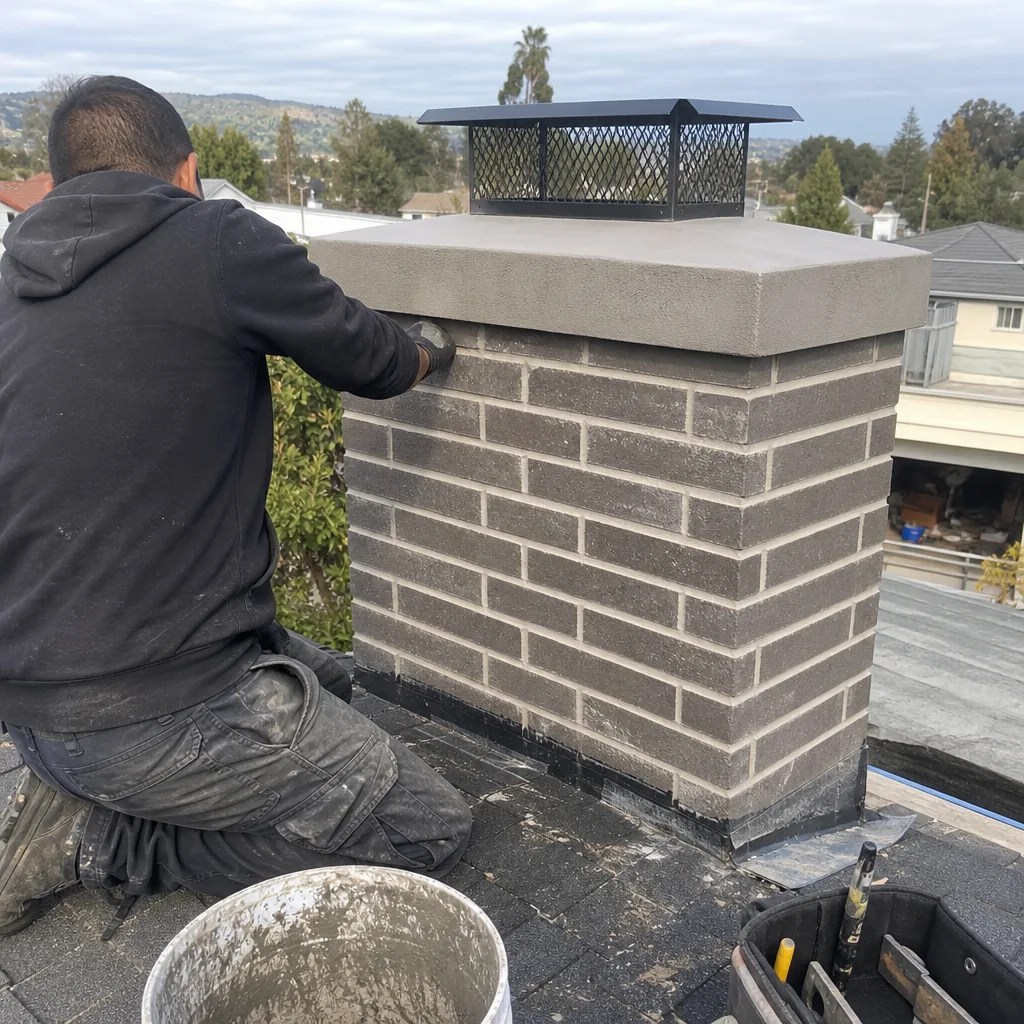
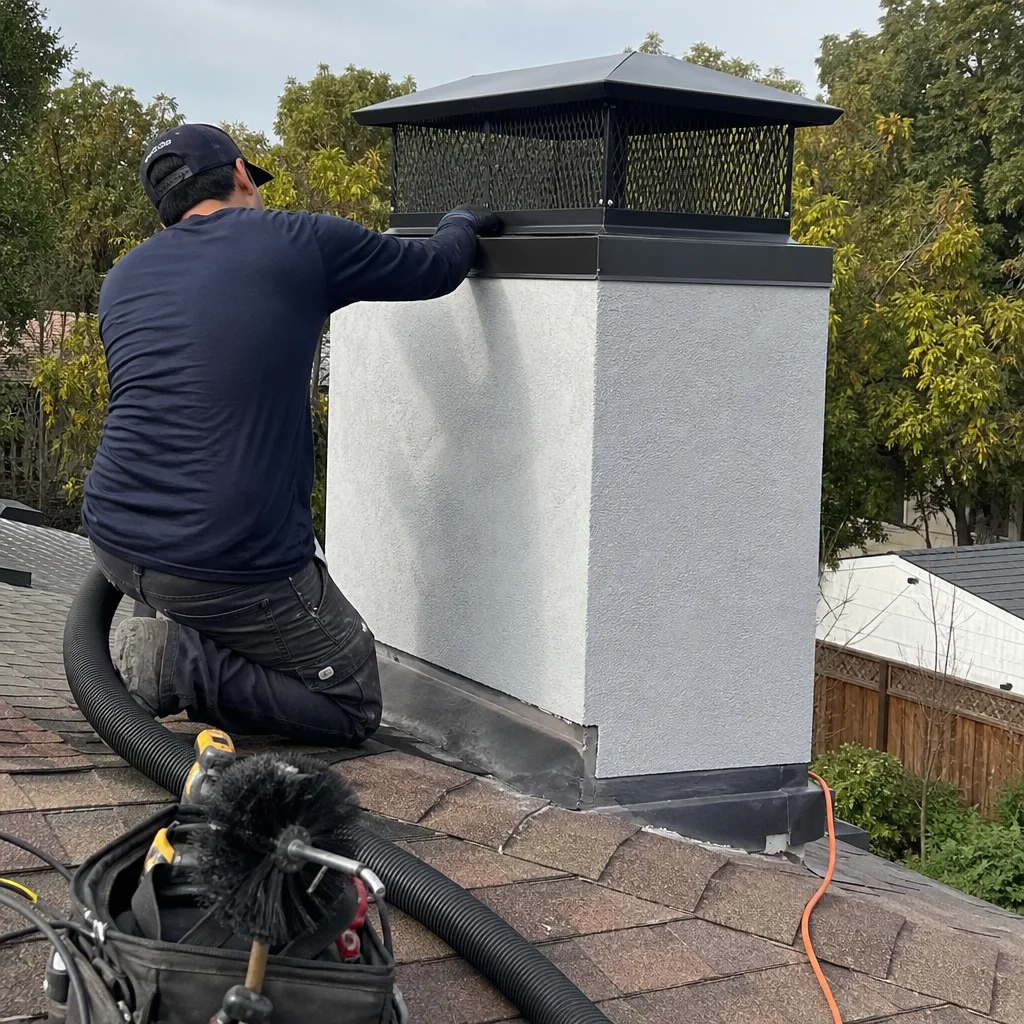
Copperfield is a professional chimney trade brand that manufactures caps, dampers, brushes, and accessory components. Olympia Chimney produces similar termination hardware along with moisture management products. These are not the stamped-metal caps sold at home centers. The difference is in material grade, fastening design, and corrosion resistance. A Copperfield cap, for instance, is built with heavier-gauge stainless or copper and designed to shed water without trapping moisture against the flue tile. The hardware-store equivalent often uses thinner steel, prone to rust, and a mounting design that can shift in wind, leaving gaps.
The Bay Area climate is the practical reason this matters. San Jose’s microclimates, from the damp, fog-influenced neighborhoods near the hills to the wind-exposed rooftops of Almaden Valley or Evergreen, put consistent moisture and salt stress on exposed metal. A cap that lasts 20 years in a dry inland climate might last 5 on a San Jose rooftop near the bay influence. When your sweep chooses Copperfield or Olympia Chimney components, they’re accounting for that. When they grab a $29 cap off the shelf, they’re not.
The cap is also your first defense against animal entry. Birds, squirrels, and raccoons routinely nest in uncapped or poorly capped chimneys across Santa Clara County. A properly fitted, material-grade cap with an animal-resistant mesh is not a luxury accessory. It’s the difference between a fireplace that works and a flue packed with nesting material – which is a chimney fire waiting for a spark. Our team at Chimney Sweep Blossom Valley home has removed enough squirrel nests to know that cheap caps fail exactly when you stop looking.
How to Use Brand Knowledge as a Vetting Tool
You now know more about chimney brands than 95% of homeowners in San Jose. Here’s how to turn that knowledge into a contractor screening process. It takes five minutes and one phone call.
- Ask what liner brand they install. Listen for a specific manufacturer name. DuraFlex is the most common answer from specialists. If they say “stainless steel” without a brand, ask a follow-up: what’s the alloy? A specialist knows; a generalist doesn’t.
- Ask about HeatShield. Even if your chimney doesn’t need resurfacing, the question reveals capability. A contractor who says “we don’t offer that” is a sweeper. A contractor who says “we offer it, but let’s see the camera first to know if you need it” is a diagnostician.
- Ask what cap brand they stock. Copperfield or Olympia Chimney are strong signals. “Whatever’s on the truck” is not.
- Ask about camera inspection. Any recommendation for liner work should be preceded by a video inspection of the flue interior. If a contractor quotes a liner replacement without looking, walk away. Better yet, don’t let them quote at all.
- Ask about dryer vent materials. If they clean dryer vents but can’t tell you what vent components they’d install for a repair, they’re not treating the vent as a fire-safety system. More on this below.
The underlying principle: a contractor’s supply chain is their commitment. Stocking DuraFlex liners and HeatShield compound means maintaining distributor accounts, carrying inventory, and investing in product training. A sweep-and-run operation doesn’t do any of that. Their business model depends on the brush, not the system. Your chimney is only as safe as its weakest component, and the components you can’t see are the ones that matter most.
Warranty Implications: Certified Installation and Brand Backing
Here’s a detail most San Jose homeowners learn too late: manufacturer warranties on professional chimney products are conditional on certified installation. If a contractor installs a DuraFlex liner without the required training and documentation, the manufacturer can and will deny a warranty claim. The same applies to HeatShield resurfacing, which requires certified applicator status.
What does this mean in practice? If a general contractor or handyman installs a liner that looks like DuraFlex – or even buys a genuine DuraFlex product through a gray-market channel – and that liner fails prematurely, you have no warranty recourse. The supplier won’t honor it because the installer wasn’t certified. The contractor probably won’t honor it because they’re gone. You’re left paying for a second replacement.
This is the hidden cost of choosing the low bid. A specialist’s price includes the training, documentation, and distributor relationship that keeps your warranty valid. A generalist’s price includes none of that, because they don’t know it exists. When you ask a San Jose contractor about warranty documentation for their liner installations, and they give you a blank look, you’ve just saved yourself a five-figure mistake.
The same logic extends to cap, damper, and termination hardware. Copperfield and Olympia Chimney products carry manufacturer warranties, but only when installed to spec. The warranty is only as good as the installer’s standing with the manufacturer.
The Dryer Vent Connection: Famco and Purpose-Built Venting
Most homeowners don’t connect chimney cleaning with dryer vent cleaning, and most chimney sweeps don’t either. The connection is this: both systems carry combustion byproducts out of your home. A clogged dryer vent is a fire hazard. So is a cracked flue liner. They’re different systems with the same failure mode.
This is where the Famco brand enters the picture. Famco manufactures purpose-built venting components for mechanical exhaust systems – dryer vents, bath fans, and similar applications. The distinction matters because the average handyman or appliance installer uses whatever flexible duct is on sale at the home improvement store, and that duct is often the wrong material, the wrong diameter, or installed with sagging runs that trap lint.
A specialist who works with Famco venting products is treating your dryer vent as a designed system, not an afterthought. They’re specifying components built for the application, with the right material for the heat and airflow conditions, installed with the proper connections and support. In San Jose homes, where dryer vents often run through attics, crawlspaces, or exterior walls with significant length, the component choice and installation quality determine whether lint accumulates or passes through.
Our Dryer Vent Cleaning in Blossom Valley service exists because dryer fires account for thousands of house fires annually, and almost all of them start with a vent that was either never cleaned or was built with substandard materials in the first place. A company that offers chimney sweeping and dryer vent cleaning under the same roof is treating the whole exhaust system as one safety domain. That’s the mindset that catches problems before they become fires.
San Jose Market Realities: What Local Conditions Demand
San Jose presents specific challenges that generic advice from out-of-state websites doesn’t address. Homes here are old enough to have original masonry chimneys that predate modern liner standards. Many date from the post-war building boom, with clay tile liners that have been heating and cooling for 60-plus years. The combination of earthquake activity, seasonal moisture, and original construction means flue deterioration is common, even in homes that have never had a chimney fire.
Here’s what those conditions mean for material and brand choices:
- Seismic stress: Clay tile liners in San Jose chimneys are prone to cracking and shifting from decades of minor seismic activity. The flexibility of a DuraFlex stainless liner or the bonding capability of HeatShield resurfacing matters more here than in seismically quiet regions.
- Moisture and salt air: Neighborhoods closer to the bay see more salt influence in the air, and even inland San Jose gets damp winter conditions. Caps and termination hardware need to be material-grade (Copperfield, Olympia Chimney) to survive rooftop exposure without rusting through.
- Older housing stock: A significant portion of San Jose’s single-family homes were built before current venting codes. Dryer vents are often undersized, improperly routed, or made of materials that shouldn’t be in service. Purpose-built Famco venting replaces what the original builder saved a few dollars on.
- Mixed fuel appliances: Many San Jose homes have both a wood-burning fireplace and gas appliances venting through the same or adjacent flues. That combination creates the exact condensation and corrosion conditions that require alloy-specific liner materials.
If you’re in Blossom Valley, Almaden, Willow Glen, Evergreen, or anywhere else in the San Jose metro, these conditions aren’t theoretical. They’re written into the housing stock. A professional chimney specialist working in this market has seen the failure patterns and specs materials accordingly. A generic sweep working from a national franchise playbook hasn’t.
Common Mistakes to Avoid
- Assuming all stainless liners are equivalent. Alloy composition, wall thickness, and connection design vary dramatically. A hardware-store liner will not survive the acidic condensate from a high-efficiency gas appliance in a San Jose flue.
- Letting a contractor quote liner work without a camera inspection. Nobody can diagnose flue condition by looking down from the rooftop. If they quote before they scope, they’re guessing. Guessing in this context means you’re paying for work that might not be needed or, worse, missing repair that is.
- Selecting a cap based on price. In the Bay Area climate, a thin-gauge cap is a two-to-five-year product. Copperfield or Olympia Chimney hardware costs more up front and lasts decades longer. The math favors the trade brand every time.
- Treating dryer vent cleaning as optional. Lint accumulation is a fire loading issue, not an airflow nuisance. In San Jose homes with long vent runs, a neglected vent can become a fire hazard in a single season of heavy use.
- Ignoring the warranty certificate question. If your contractor can’t provide manufacturer warranty documentation for the liner or resurfacing work they’re quoting, assume the warranty doesn’t exist. Certified installation is the only installation that’s covered.
- Hiring a generalist for chimney repair. A handyman can paint, patch drywall, and replace a light fixture. A chimney flue that vents combustion gases is not a comparable project. The stakes are different, and so is the required knowledge.
- Assuming a clean-looking chimney is a safe chimney. The exterior can look fine while the flue liner is cracked, the crown is delaminating, and the smoke shelf is packed with debris. Only a camera inspection reveals what’s actually happening inside.
When to Call a Professional
Call a chimney specialist if you haven’t had an inspection in over a year, if you smell smoke or damp odors near the fireplace, if you’ve seen water stains on the ceiling near the chimney, or if your dryer takes more than one cycle to dry a normal load. These are symptoms of underlying conditions that don’t resolve themselves. If you’re buying or selling a San Jose home, a pre-purchase chimney inspection is cheap insurance against a five-figure surprise. And if you’ve never asked your current sweep what liner brand they install, that’s a call worth making this week. Chimney Sweep Blossom Valley offers free estimates in San Jose – call (833) 593-5179 to schedule an inspection and get straight answers about your system’s actual condition.
Frequently Asked Questions
Professional chimney specialists in San Jose most commonly use DuraFlex stainless steel liner systems, which are specified for residential flue relining due to their corrosion-resistant alloy and welded construction. Contractors who install DuraFlex typically stock it directly from trade distributors, which signals a commitment to certified, warrantied installation. If a contractor can’t name their liner brand or says they’ll “order whatever’s available,” that’s a red flag worth heeding.
HeatShield is better than relining in specific situations: when the existing clay tile liner is cracked or eroded but still structurally sound, and when the chimney has offsets that would complicate a rigid stainless liner installation. It’s not a substitute for relining when the flue has collapsed or separated, and the right choice depends on a camera inspection. A certified HeatShield installer can offer both options and recommend based on what the camera shows, not what they happen to sell. Call (833) 593-5179 for an inspection that tells you which approach your chimney actually needs.
Yes, more than most homeowners realize. In San Jose’s damp, salt-influenced climate, a thin-gauge cap from a retail store will rust through in a few seasons and let water into the flue. Trade brands like Copperfield and Olympia Chimney build caps with heavier-gauge materials and better drainage design, which is why specialists stock them. The cap is your first defense against both water intrusion and animal nesting, and the material grade determines how long that defense holds.
Wood-burning fireplaces should be swept at least once per burning season, or every 40 to 50 burns, whichever comes first. Gas inserts need annual inspection even though they produce less visible soot; the condensate issue with high-efficiency gas appliances means liner corrosion is the concern, not creosote. Homes in San Jose with mixed-fuel appliances or older masonry chimneys benefit from an annual camera inspection to catch deterioration before it becomes a safety issue.
Because chimney manufacturers’ warranties require certified installation. DuraFlex, HeatShield, Copperfield, and Olympia Chimney all condition their product warranties on proper training and installation standards. A specialist who stocks these brands has invested in distributor relationships, product training, and inventory. A generalist who grabs parts off a retail shelf can’t access these products and can’t provide warranty-backed installation. The brand question is a reliable proxy for the contractor’s seriousness about chimney safety.
Yes. Lint accumulation in a dryer vent is a fire loading problem, and the vent’s material and installation quality determine how quickly lint builds up. Purpose-built venting components from manufacturers like Famco are designed for the heat, airflow, and moisture conditions of dryer exhaust; generic flexible duct from a hardware store often has ridges that trap lint and may not be rated for the application. A company that uses specified venting materials is treating the dryer vent as a fire-safety system, which is what it is. If your dryer takes more than one cycle to dry a load, call (833) 593-5179 for a vent inspection before the problem compacts into a hazard.
The Bottom Line
Brand selection in chimney work is not about brand loyalty or marketing. It’s about material grade, installation certification, and warranty validity, and those things translate directly into the safety and longevity of the system that vents fire byproducts out of your San Jose home. Asking your sweep what liner brand they install, whether they offer HeatShield resurfacing, and what cap materials they stock takes five minutes and reveals more than any online review. A specialist will answer immediately, with specifics. A generalist will hedge. Your chimney is only as safe as its weakest component, and the components you can’t see are the ones worth asking about.
Call (833) 593-5179 for a free estimate and straight answers about your chimney system.
Written by the team at Chimney Sweep Blossom Valley, serving San Jose since 2014.
See the difference
 Before
 After
 Before
 After
 Before
 After