
HeatShield Chimney Sweep in San Jose: A Homeowner’s Guide
Most San Jose homeowners have never heard of HeatShield until a chimney inspector hands them a $4,000 liner replacement quote. Here’s what that inspector may not mention: if your clay flue tile damage is caught at the right stage, a resurfacing system called HeatShield can restore it for roughly a third of that cost, backed by a 20-year warranty. This guide explains what HeatShield actually does, when it works, and when it won’t.
If you’d rather skip the research and talk to someone who installs HeatShield in San Jose every week, call (833) 593-5179 for a straight answer on whether your chimney qualifies.
What Is HeatShield and How Does It Actually Work?
HeatShield is a cerfractory flue sealant, a ceramic-refractory compound designed to restore the interior surface of a damaged clay tile chimney liner. Unlike a stainless liner, which is a metal sleeve inserted into the flue, HeatShield is applied directly to the existing tile surface. It seals hairline cracks, spalled areas, and minor mortar joint gaps while restoring the thermal barrier between flue gases and the chimney structure.
The material is pumped through a custom-formulated applicator that sprays the sealant onto the flue walls in a controlled, even coat. Once cured, it creates a smooth, heat-resistant surface that contains combustion gases and resists further deterioration. Think of it as resurfacing a worn cylinder wall in an engine rather than replacing the whole block.
HeatShield is the only flue resurfacing system we know of that carries an EPA listing for this specific application. That matters because it means the product has been evaluated for emissions and environmental impact, not just fire performance. In San Jose, where air quality regulations are stricter than most of the country, using an EPA-listed product keeps your chimney system compliant with local expectations.
HeatShield vs. Full Liner Replacement: The Real San Jose Cost Picture
Let’s put numbers on it. For a standard two-story San Jose home with a masonry chimney and a single clay tile flue serving a wood-burning fireplace or gas insert, here’s the typical cost spread we see:
- HeatShield resurfacing (single flue): $1,200 to $1,800 depending on flue height, access, and the extent of surface preparation required.
- Full DuraFlex stainless liner installation: $3,500 to $5,500 for a standard two-story run, including demolition of the old tile if required, insulation, and termination cap.
- HeatShield joint repair only (isolated mortar joint failure): $600 to $1,000 when the tiles themselves are sound but the joints between them have started to fail.
Those are real ranges we’ve quoted in San Jose over the past few years. The swing depends on roof pitch, flue size, and whether the chimney is straight or offset. But the core point holds: HeatShield typically runs about a third of the cost of a full reline when the damage profile fits.
The catch is that HeatShield is not a universal fix. If your flue tiles have collapsed, shifted out of alignment, or separated to the point where the structural integrity of the stack is compromised, no resurfacing system will save it. In that case, a DuraFlex liner is the correct solution because it creates a new, independent flue path rather than restoring the old one.
How to Read Your Chimney Inspection Report: Are You in the HeatShield Window?
A Level 2 chimney inspection in San Jose should include a video scan of the flue interior. When you get the report, here’s the language that tells you whether HeatShield is viable:
Signs your flue is a candidate for HeatShield:
- “Hairline cracking” or “minor spalling” on tile surfaces, meaning the tile face is flaking or pitting but the tile body is intact.
- “Mortar joint deterioration” or “voids at joints” with tiles still seated and aligned.
- “Staining” or “efflorescence” indicating moisture penetration through small gaps, but no displacement of individual tiles.
- Flue dimensions that are consistent from top to bottom with no measurable offset.
Signs the flue is past the HeatShield window:
- “Collapsed tile” or “displaced tile” meaning a tile section has physically detached and moved.
- “Flue offset” or “separated clay tile liner” where the stack has shifted and tiles are no longer in a continuous column.
- “Extensive spalling” with loss of more than roughly a third of the tile thickness in multiple areas.
- Visible gaps that allow direct flame impingement on the chimney structure.
If your report uses words like “staged” or “leveled” without specifying collapse versus cracking, ask for the camera footage. Any chimney company that does the inspection should give you the video or at least still frames. If they won’t, that’s a red flag. You’re making a multi-thousand-dollar decision based on that footage. You have a right to see it.
Joint Repair System vs. Resurfacing System: Two Different Tools
HeatShield is not one product. It’s a product line with two distinct applications, and knowing the difference can save you real money.
The Joint Repair System addresses deterioration at the mortar joints between clay tiles. It uses a specialized applicator to fill and seal the joints with HeatShield’s cerfractory material, restoring the seal between tiles without coating the entire flue surface. This is the right call when the tiles themselves are sound but the joints have started to crumble. In our experience, this is surprisingly common in San Jose homes built between 1950 and 1980, where the original mortar has simply aged out.
The Resurfacing System applies a full coating of HeatShield to the entire flue interior, sealing hairline cracks across the tile faces and creating a uniform, monolithic surface. This is the appropriate application when there’s widespread minor cracking or spalling across multiple tiles, but the structural alignment is still intact.
A competent chimney company will tell you which system matches your damage profile rather than defaulting to the more expensive option. If someone quotes a full resurfacing without discussing whether joint repair would suffice, get a second opinion.
Why HeatShield Requires a Certified Applicator
HeatShield doesn’t sell its products to just any contractor. The company requires installers to complete factory training and maintain certification to purchase and apply the system. That certification process includes hands-on application training, equipment operation instruction, and ongoing recertification.
This matters for a few reasons. First, the application equipment is specialized. The sealant is pumped under specific pressure through a spray head that must be properly sized for the flue dimensions. An untrained operator can apply the material too thin, leaving an incomplete seal, or too thick, creating an uneven surface that will crack as it cures.
Second, surface preparation is the make-or-break step. The flue must be swept mechanically before application, and any loose spalled material must be removed so the sealant bonds to solid tile rather than flaking debris. Cutting corners on prep is the most common cause of HeatShield failures we’ve seen, and it’s almost always traceable to an installer who wasn’t properly trained.
When you’re talking to a chimney company in San Jose about HeatShield, ask to see their certification. A legitimate applicator will show it to you without hesitation. The brands they stock tell you something too. We install HeatShield alongside products from DuraFlex, Olympia Chimney, and Copperfield because those are the trade-grade components that hold up in San Jose’s climate, where wet winters and dry summers put real stress on chimney exteriors.
What HeatShield Cannot Fix (And Why You Need to Know Before You Pay)
HeatShield does one thing very well: it restores the interior surface of a clay tile flue that’s still structurally sound. It does not fix structural problems in the chimney itself.
If your chimney has a cracked crown, spalling brick on the exterior, a rusted-out damper, or a deteriorated mortar cap at the top, HeatShield won’t address any of those. Those are chimney repair issues that need separate attention. The flue liner is one component of a larger system, and the system is only as safe as its weakest point.
Similarly, if you have a prefabricated fireplace with a factory-built metal chimney, HeatShield is not applicable at all. The system is designed specifically for masonry chimneys with clay tile liners. Prefab systems have their own repair protocols and replacement components.
And here’s the part that surprises San Jose homeowners most often: HeatShield cannot compensate for a flue that is oversized for the appliance it serves. If you’ve converted a wood-burning fireplace to a high-efficiency gas insert and the flue is too large for the insert’s exhaust volume, resurfacing won’t fix the draft problems. You’d need a properly sized liner, often a DuraFlex stainless system, to correct that venting issue.
A real chimney company will tell you when HeatShield is the wrong call. We’ve talked homeowners out of it more than once because their money was better spent on a different repair. The goal is a safe chimney, not a product sale.
Related Services in San Jose
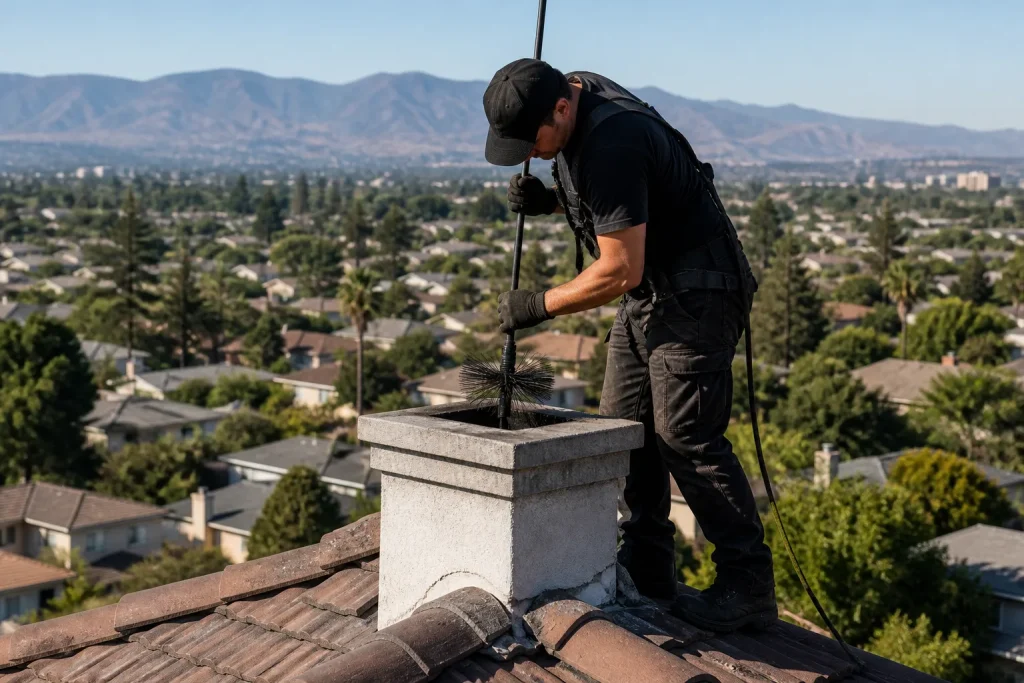
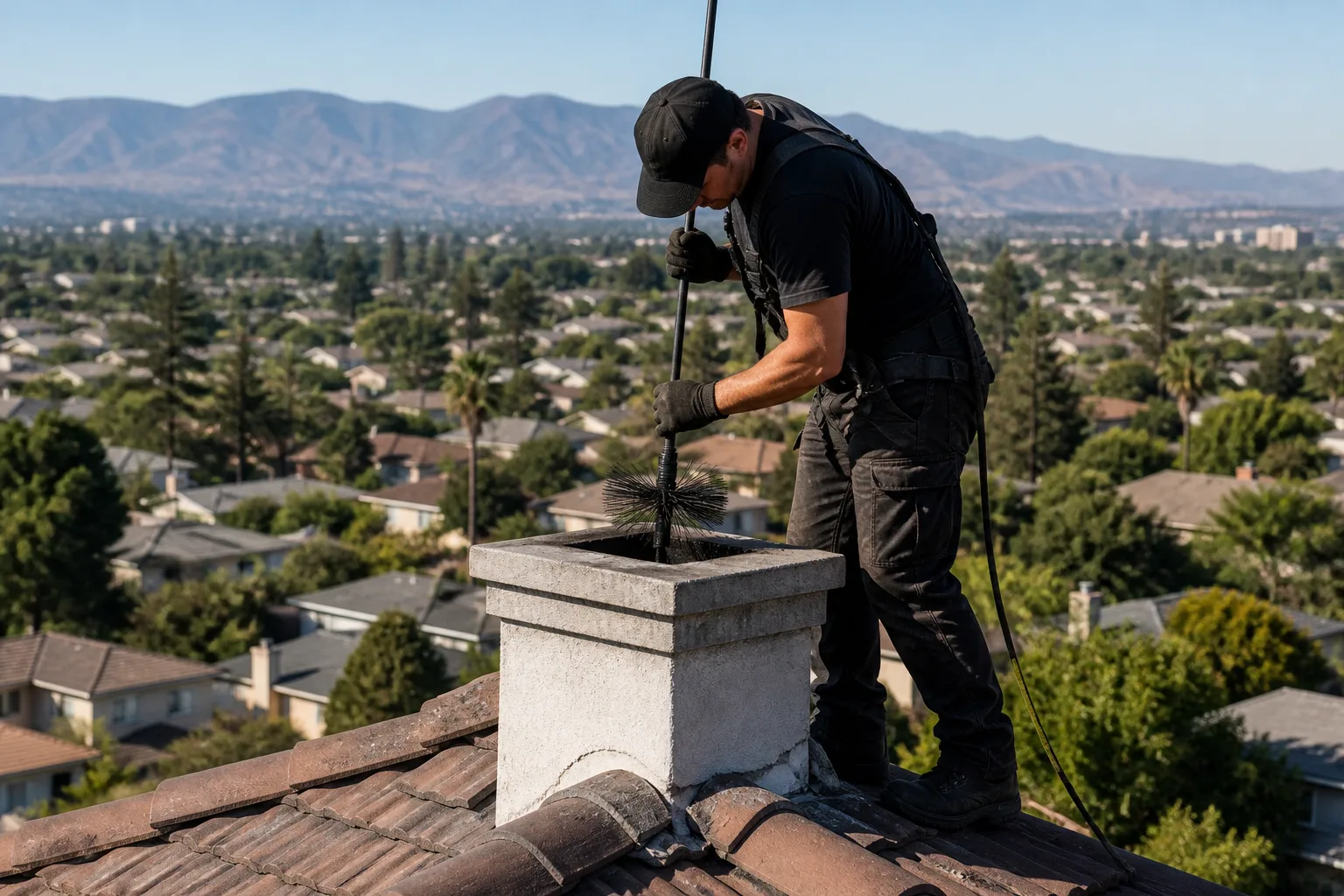
HeatShield application starts with a proper sweeping. You can’t resurface a dirty flue, and you can’t get an accurate damage assessment without removing the creosote and soot first. If you’re in San Jose and your chimney hasn’t been swept in a few years, start with a Chimney Sweep in Blossom Valley appointment and ask for a camera inspection at the same time.
If the inspection finds damage beyond the flue liner, Chimney Repair in Blossom Valley covers crowns, caps, flashing, and masonry work. And while we’re on the subject of exhaust systems, your dryer vent is the other combustion-risk point in your home. A clogged dryer vent causes thousands of house fires every year. We do Dryer Vent Cleaning in Blossom Valley on the same visit whenever it makes sense. One crew, both systems, no second appointment to coordinate.
If you’d rather start with the company that handles all of it, visit the Chimney Sweep Blossom Valley home page or call us directly.
What happens when you call
- 1
A real person answersNo phone trees – you reach a local pro.
- 2
You get an upfront price rangeHonest numbers before anyone is dispatched.
- 3
A background-checked tech heads outLicensed & insured, dispatched right away.
- 4
You approve before work beginsNothing starts until you say go.
The Bottom Line
HeatShield is a legitimate, cost-effective alternative to full liner replacement when the damage profile fits: hairline cracks, minor spalling, or deteriorated mortar joints in a flue that’s still structurally aligned. It costs roughly a third of a stainless reline and carries a 20-year warranty. But it’s not a universal fix. Collapsed or displaced tiles, structural chimney damage, and oversized flue sizing all require different solutions.
The only way to know which bucket you’re in is a video inspection by someone who installs both HeatShield and stainless systems and has no financial incentive to steer you one way or the other. If you’re in San Jose and need help, Chimney Sweep Blossom Valley offers free estimates. Call (833) 593-5179 and we’ll give you a straight answer on whether your chimney qualifies for HeatShield or needs a different approach.
Frequently Asked Questions
HeatShield carries a 20-year manufacturer warranty when applied by a certified applicator. In practical terms, the resurfaced flue should last as long as the underlying chimney structure remains sound. The weak point is always the chimney outside the flue: crowns, caps, and masonry. Keep those maintained and the HeatShield surface itself should be a one-time application.
Yes, typically by a wide margin. HeatShield resurfacing runs $1,200 to $1,800 for a standard single-flue chimney in San Jose, while a full DuraFlex stainless liner installation runs $3,500 to $5,500. The cost difference is real, but so is the qualification: HeatShield only works when the tile damage is surface-level and the tiles are still aligned. If your flue has collapsed or displaced tiles, you need a liner regardless of cost.
No. The flue must be mechanically swept to bare tile before HeatShield can be applied. Creosote, soot, and debris prevent the sealant from bonding properly. Any certified HeatShield applicator will sweep first, then inspect with a camera, then apply the sealant. If someone offers to apply HeatShield without sweeping first, find another contractor.
It depends on the flue sizing. If the gas appliance was properly matched to the existing clay tile flue, HeatShield can restore minor cracking and joint deterioration in that flue. But if you have a high-efficiency gas insert venting into a flue that’s oversized, HeatShield won’t correct the draft problems. In that case, you need a properly sized stainless liner. A camera inspection and a draft assessment will tell you which situation you have. Call (833) 593-5179 for an exact assessment of your setup.
Written by the team at Chimney Sweep Blossom Valley, serving San Jose since 2014.
Need Chimney Cleaning Help?
Call Chimney Sweep Blossom Valley - licensed & insured, here with fast help in Blossom Valley.
(833) 593-5179