
Last updated November 2, 2026
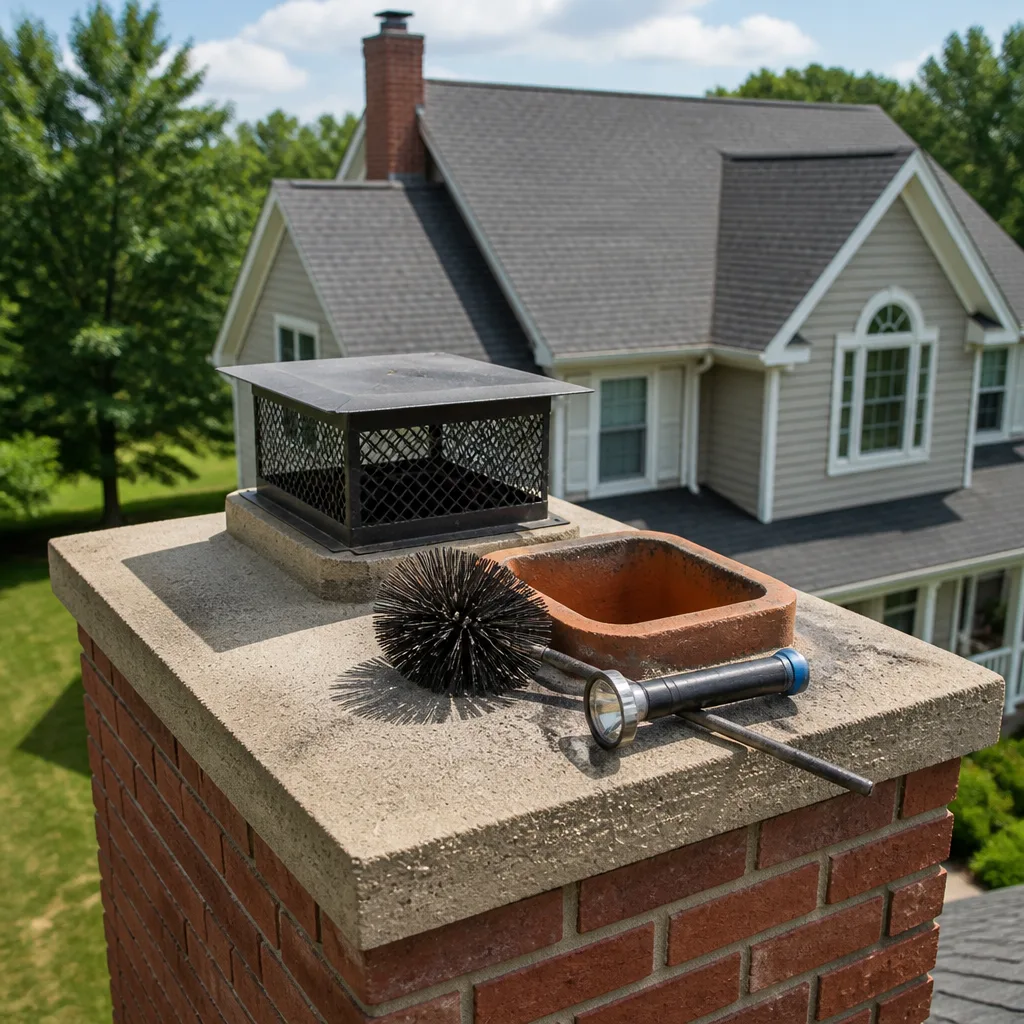 Sweep & inspection
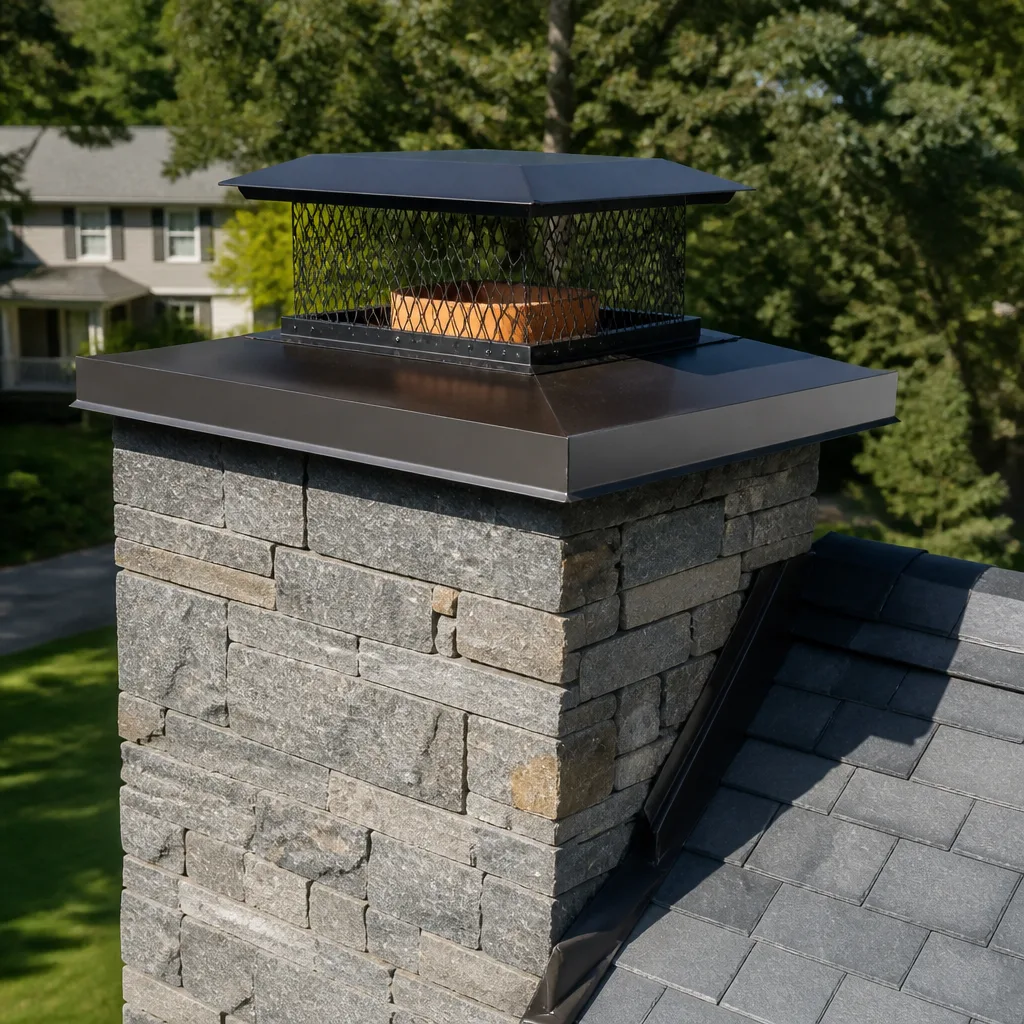 Caps & crowns
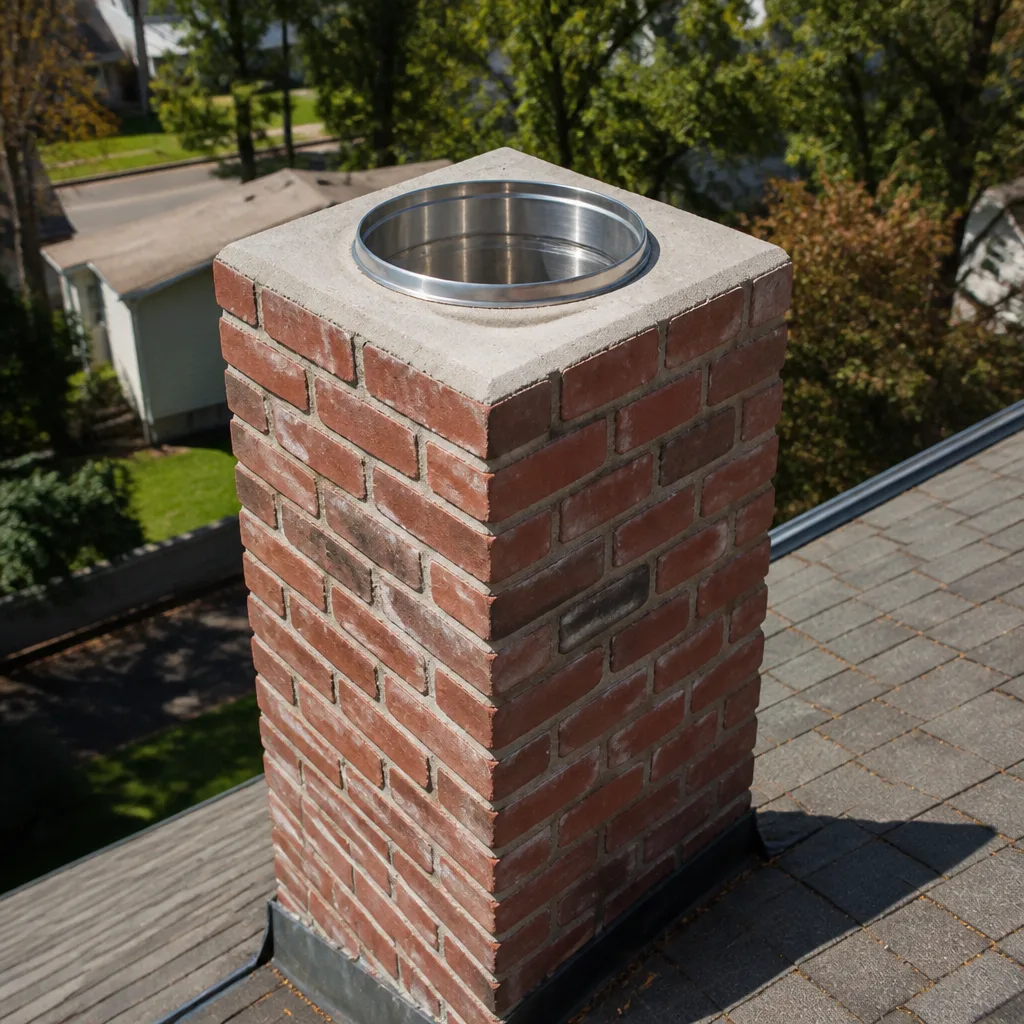 Flue relining
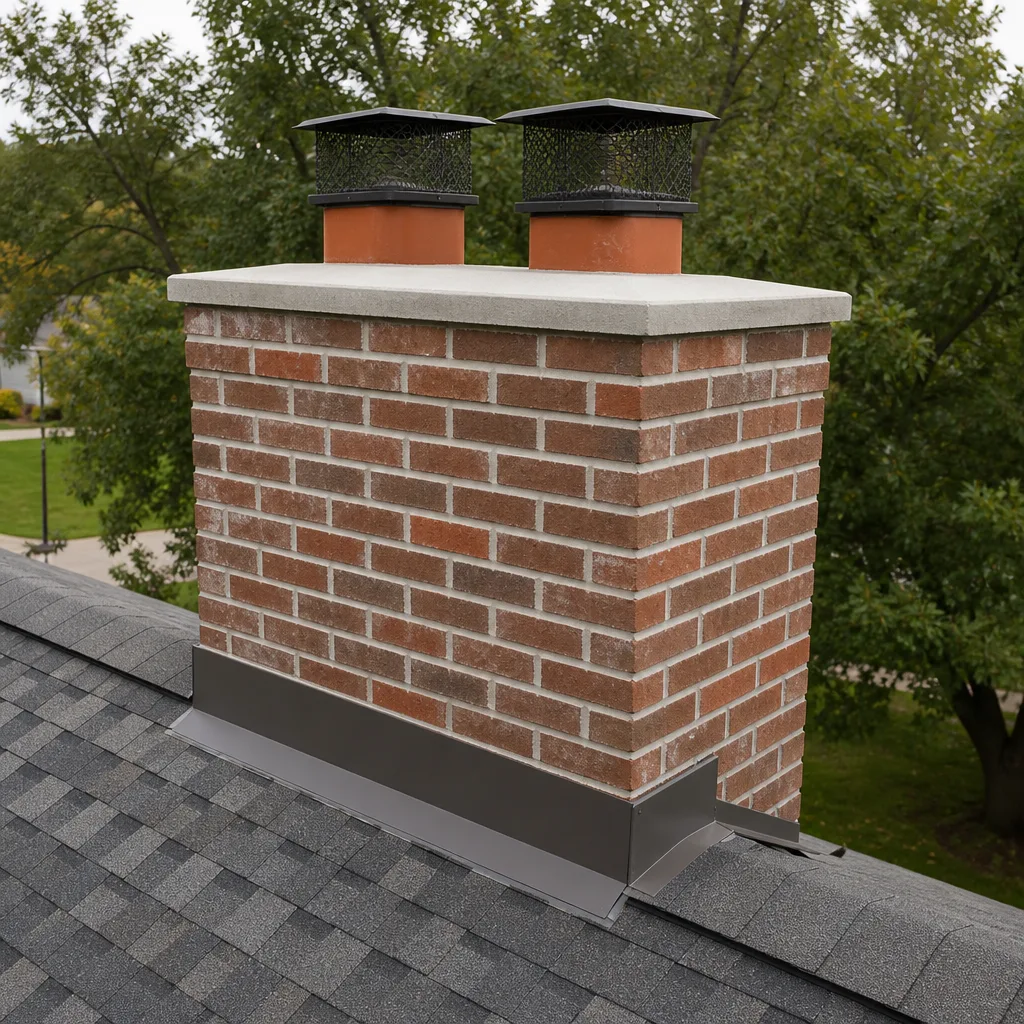 Masonry repair
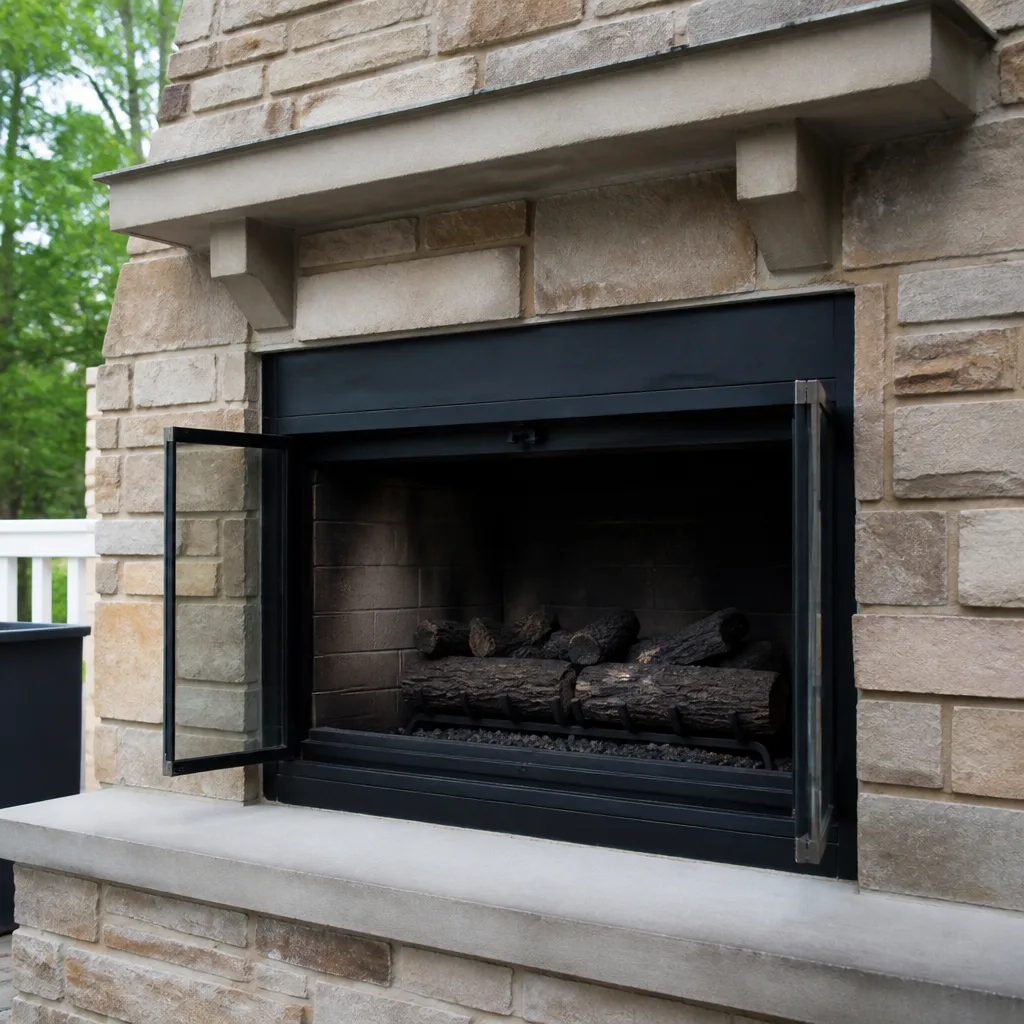 Gas fireplace service
Level 1 sweep and inspection to the NFPA 211 annual standard - flue, crown, cap, and flashing checked and photographed
Chimney sweep logs do not sweep chimneys. They loosen some creosote - which then falls where a brush and vacuum still have to collect it.
Chimney Sweep Troubleshooting: Common Problems and How to Fix Them
If your fireplace smokes back into the room, your first instinct is probably to blame the damper. But in over half of diagnosed cases, the real culprit is one of three other issues: a creosote restriction, a negative pressure problem in the home, or a flue that’s simply too small for the firebox. Slapping on a new damper won’t fix any of those, and it’ll cost you a few hundred dollars to find that out. What follows is a root-cause guide to the problems our crew sees most often in San Jose homes, written so you can figure out what’s actually wrong before you spend money on the wrong fix. We’ll walk through the symptoms, the real causes, and when a repair genuinely needs a specialist rather than a Saturday afternoon.
Styles & brands we work with
- Sweep & inspection
- Caps & crowns
- Flue relining
- Masonry repair
- Gas fireplace service
Quick Answer
Most chimney problems fall into one of three root-cause categories: airflow restriction (creosote, debris, or a closed damper), negative house pressure (caused by tight construction, exhaust fans, or competing appliances), or structural damage (cracked flue liner, spalling brick, failed crown). The fix depends entirely on which category you’re in. Treating a symptom, like adding a chimney cap to stop smoke backpuff, without identifying the root cause leaves the actual fire hazard in place.
Table of Contents
- Smoke Rollout: The Most Misdiagnosed Fireplace Problem
- Summer Chimney Odor: A Separate Diagnostic Category
- Slow Draw and Hard-to-Start Fires: Airflow vs. Pressure
- Visible Cracks and Flue Spalling: When Surface Damage Runs Deep
- Water Intrusion and Efflorescence: The Cap and Crown Connection
- Creosote Levels: What’s Normal, What’s Dangerous
- Gas Fireplace and Gas Insert Exhaust Problems
- Common Mistakes to Avoid
- When to Call a Professional
- Frequently Asked Questions
- The Bottom Line
Smoke Rollout: The Most Misdiagnosed Fireplace Problem
Smoke rollback into the room happens when exhaust gases can’t make it up and out of the flue. The diagnosis that gets missed most often: the fire isn’t the problem, the house is. A modern San Jose home with new windows, weatherstripping, and spray-foam insulation can be tight enough that the fireplace can’t draw combustion air. When the fire burns, it creates a low-pressure zone in the room. If outside air can’t get in to replace what’s going up the chimney, the chimney starts pulling air backward from wherever it can, which is often the chimney itself.
Here’s the root-cause map for smoke rollout:
- Creosote restriction. Buildup narrows the flue opening, reducing draft. Even a quarter-inch of accumulation on the flue walls can be enough to tip a marginal draw into smoke-back territory.
- Negative house pressure. Kitchen exhaust fans, bathroom fans, dryers, and even a furnace running in a closed utility room can depressurize the home enough to reverse the draft.
- Flue-to-firebox ratio mismatch. Older homes in San Jose sometimes have fireplaces that were never built to code, with a flue tile that’s too small for the firebox opening. This is fixed differently depending on whether the flue is masonry or a metal liner.
- Stack effect in multi-story homes. Warm air rising through the house creates suction in lower levels, pulling smoke out of the firebox on the first floor.
- A damper that’s actually the problem. Sometimes it really is the damper. A warped or rusted damper plate won’t seat properly, and a top-sealing damper that’s stuck closed will block everything.
The test we tell San Jose homeowners to try before calling anyone: open a window in the same room as the fireplace about four inches. Light a match or a small piece of newspaper in the firebox to establish the draft direction. If the fire burns clean with the window open and smoke rolls only when it’s closed, negative pressure is your root cause, not the chimney.
We see this pattern constantly in newer San Jose developments where homes are built to tighter energy standards. The chimney sweep in Blossom Valley work we do often starts with a pressure test, because it’s faster and cheaper than tearing into the masonry before you know what’s wrong.
Summer Chimney Odor: A Separate Diagnostic Category
A chimney that smells bad during a hot San Jose summer is telling you something different than a chimney that smells bad during a fire. Odor during a fire is almost always creosote off-gassing or incomplete combustion. Odor when the fireplace is cold, especially in August or September, is usually moisture reacting with creosote deposits inside the flue. The smell comes down through the house because hot outside air pushes against the cool chimney interior, creating a downdraft that carries the odor with it.
What summer odor tells you about liner condition:
- Faint barbecue or tar smell. Creosote buildup is present and humid air is activating it. A sweep may be enough, but this is also a common first sign that the liner is nearing the end of its service life.
- Strong urine or ammonia odor. Animals are present in the flue, or their nesting material has worked its way down. This needs immediate attention because nesting debris is a major combustion risk.
- Musty smell with water stains on the firebox walls. Water is entering through the cap, crown, or flashing. The smell is mildew forming in the masonry, not a creosote issue at all.
One thing we’ve learned from diagnosing summer odor in San Jose homes: the bay area’s dry summers do not mean a dry chimney. Marine air from the bay, morning fog cycles, and evening temperature swings all create condensation inside the flue. That condensation activates creosote odor even in homes that haven’t had a fire in months. A Chimney Sweep Blossom Valley home inspection often turns up water entry points that the homeowner never noticed because the evidence was hiding behind the chimney chase.
Slow Draw and Hard-to-Start Fires: Airflow vs. Pressure
A fireplace that’s hard to start, or a fire that burns but never really takes off, usually points to one of two systems: the flue’s ability to move air or the home’s ability to supply air. Here’s how to tell them apart without climbing on the roof.
- Check the damper fully open. Sounds obvious, but a damper that opens only halfway because the handle is bent or the cable is stretched will strangle the draft. San Jose homes built before 1980 often have damper assemblies that have warped from decades of heat cycles.
- Look up the flue with a flashlight and a mirror. Tilt the mirror at the back of the firebox to see up past the smoke shelf. If you see black, shiny coating or a narrowed opening, creosote restriction is likely. If you see daylight blocked by debris, a bird’s nest or a fallen masonry piece is the culprit.
- Open the nearest window and try again. If the fire improves with outside air available, the problem is negative pressure, not the chimney. This crosses the chimney off the list and moves the diagnosis to air sealing, exhaust ventilation, or furnace interaction.
- Check for a top-sealing damper installed under a cap that’s now stuck. Top-sealing dampers, especially older models, can rust or bind. If the cable pulls but the plate doesn’t lift, the flue is blocked at the top.
- Verify the flue size against the firebox opening. Measure the firebox width and height, then compare to the flue tile interior dimension. The flue cross-sectional area should be roughly one-tenth to one-twelfth of the firebox opening area. If it’s smaller, the fireplace never drafted well and never will without a liner change.
In our experience, slow draw in San Jose homes splits pretty evenly between creosote restriction and negative pressure. Tight building envelopes from energy retrofits in neighborhoods like Willow Glen and Cambrian have made pressure problems much more common in the last decade. A chimney repair in Blossom Valley that addresses a flue restriction will do nothing for a home that’s tight enough to reverse the draft, which is why root-cause diagnosis matters before any repair quote.
Visible Cracks and Flue Spalling: When Surface Damage Runs Deep
Cracks in the firebox, gaps between firebrick, or flakes of crumbling clay tile falling into the firebox are signs of flue spalling. Spalling happens when moisture soaks into the clay tile, heat expands it, and the tile fractures from thermal stress. The problem is that the damage you can see is often the least dangerous part. Smoke can leak through cracked flue tile into the wall cavity, which means the chimney becomes a slow-burning house fire source rather than a contained exhaust system, which is the same reason the NFPA categorizes it as a hazard to address immediately.
What to look for:
- Thin flakes of clay tile at the bottom of the firebox. This is spalling tile coming from above. It’s not cosmetic. It means the liner is actively breaking apart.
- White staining on the exterior brick. Water has moved through the masonry and is carrying mineral salts. The liner or the crown is letting moisture in.
- Smoke stains on the wall above the firebox or outside near the chimney chase. Smoke is finding a way out of the flue and into the structure, not just out the top.
- A fire that smells different than it used to. If the exhaust is leaking into the house, the smoke smells closer and sharper. This is often dismissed as normal fire smell when it isn’t.
There are two repair paths for a spalled flue liner. A full reline with a stainless system is the standard approach. But for less extensive spalling, a HeatShield resurfacing can restore the liner without tearing out the flue tiles. HeatShield is a ceramic-based compound applied inside the existing flue that seals cracks, fills gaps, and rebuilds the interior wall of the liner. We use HeatShield specifically because it’s rated for this repair application, not just as a coating. It’s the difference between replacing a liner and fixing one, and the cost difference is significant for San Jose homeowners who’d otherwise be facing a full masonry rebuild. The flue spalling that causes smoke leakage into wall cavities is exactly what HeatShield is designed to correct. A chimney sweep in Blossom Valley camera inspection is the only way to know how far the spalling goes and which repair path is appropriate. We don’t recommend repair options without camera footage because you can’t make that call from the visual damage alone.
Water Intrusion and Efflorescence: The Cap and Crown Connection
Water is the slow killer of chimney systems, and in San Jose, it’s a bigger factor than most homeowners realize. The wet season from November through March brings steady rain, and the marine air from the bay keeps masonry damp through the summer. Every crack in a crown, every gap in a cap, every failed flashing joint lets water into the structure, and freeze-thaw expansion in masonry is a problem even in relatively mild climates.
Here’s how to read what you’re seeing:
- White chalky residue on the exterior brick. That’s efflorescence, mineral salts left behind when water moves through the masonry and evaporates. It means water is getting in somewhere and the salt crystals are slowly breaking the brick apart.
- Water pooling in the firebox after heavy rain. The cap is missing, cracked, or improperly sized. If you have a Gelco or Olympia Chimney cap installed, these are less likely to be the issue, because proper caps have the right overhang and screening to deflect rain and animals.
- Damp smell from the chimney chase in the wall above the fireplace. Flashing is the likely culprit. The point where the chimney meets the roofline is a common failure point in San Jose homes with older roofing materials.
- Rusted damper assembly or fire grate. Moisture has been descending the flue for a while. Rust on the damper is a sign that the problem is months or years old, not a recent leak.
The fix for water intrusion starts at the termination point. A proper cap with screening does three jobs: keeps rain out, keeps animals out, and lets gases escape. If the crown itself is cracked, the cap alone won’t solve the problem. The crown needs resurfacing or replacement with a properly constructed concrete crown. Copperfield supplies the flashing and termination-point materials we use for these repairs, and the difference between trade-grade Copperfield flashing and generic flashing from a big-box store is durability. Flashing that fails in five years creates the same leak twice. We install materials that are meant to be on the roof for decades.
Water intrusion is also directly connected to the odor problem covered earlier in this guide. Fix the water source and you often fix the smell. Ignore the water source and you get spalling tile, rusted dampers, and eventually structural damage behind the walls where you can’t see it.
Creosote Levels: What’s Normal, What’s Dangerous
Creosote is the byproduct of incomplete wood combustion. It builds up on flue walls as a black or brown residue that ranges from flaky and brushable to hard and glazed. The NFPA categorizes creosote in three stages, and most chimney fires happen when Stage 2 or Stage 3 buildup ignites.
Here’s what the stages mean:
- Stage 1: Soft, flaky, easy to remove. This is normal creosote from standard wood burning. A standard sweeping removes it. Most chimneys in regular use should be at this level if they’re swept annually or by burn-volume schedule.
- Stage 2: Harder, denser, crusted on the flue wall. This is what happens when creosote builds for multiple seasons or when the fire burns cooler than it should. Removal requires more aggressive mechanical sweeping. This is also the stage where a chimney fire becomes a real possibility.
- Stage 3: Hard, glazed, tar-like. This is the most dangerous form. It can’t be removed by standard sweeping, and it burns extremely hot when ignited. Stage 3 creosote requires chemical treatment or mechanical rotary removal before the chimney is safe to use.
What causes creosote to build faster than expected:
- Burning unseasoned or wet wood. San Jose homeowners who buy firewood in November and burn in December are almost always burning green wood. Wood needs six to twelve months to season properly after splitting.
- Cool flue temperatures. A flue that runs cool doesn’t establish good draft, and creosote deposits faster. Exterior chimneys on the north side of a house run cooler and build creosote faster. This is common in San Jose neighborhoods where chimneys run up the outside wall of the home.
- Restricted airflow. A partially closed damper or a flue that’s already narrowed by buildup makes combustion less complete, which creates more creosote. It’s a self-reinforcing problem.
The practical takeaway: if you’re burning wood regularly in San Jose, a professional chimney sweep annually is not overkill. If you’re burning occasionally, a visual inspection every year and a sweep every other year may be enough, but the inspection is what keeps a Stage 1 from becoming a Stage 3 while you’re not looking. The Chimney Sweep Blossom Valley home approach is to inspect with a camera on every visit so you see exactly what we see, and the report goes into our records so we can compare progression year over year.
Gas Fireplace and Gas Insert Exhaust Problems
Gas fireplaces and inserts have their own troubleshooting profile. The problems are different from wood-burning systems because the combustion process is different, but the underlying principle is the same: the system needs adequate airflow and an intact exhaust path. A gas insert that shuts off unexpectedly or throws exhaust back into the room is a carbon monoxide concern, not just an annoyance.
Common gas system problems and their actual causes:
- Insert runs for a few minutes, then shuts off. The oxygen depletion sensor is doing its job. The exhaust is not venting properly, often because the vent cap is blocked by debris, a bird nest, or corrosion. If the termination point is at ground level, leaves and debris in San Jose yards are a frequent culprit.
- Gas smell when the unit is off. This is a leak, not a venting issue. Shut off the gas supply to the appliance and call for service. This can’t wait.
- Exhaust smell when the unit runs. The vent path is compromised, or the unit is pulling exhaust gases back into the home due to negative pressure. This is a carbon monoxide risk and should be treated as an emergency beyond simply opening windows.
- Rusting firebox in a gas insert. Condensation inside the unit means the vent path is cooling the exhaust too quickly, often due to improper vent sizing or a partially blocked termination. This is a design or installation issue, not a maintenance issue.
Gas inserts in San Jose homes are often installed into existing wood-burning fireboxes, sometimes with a new liner and sometimes not. A gas insert that’s been retrofitted without a proper liner is venting exhaust into the masonry, which means the exhaust can condense inside the old flue and corrode the masonry from the inside. This is a situation where the cleanup cost exceeds what a proper liner installation would have cost in the first place.
The safety line on gas systems: carbon monoxide is invisible, odorless, and heavier than the anecdote. A functioning carbon monoxide detector near the fireplace isn’t optional equipment for a gas insert. If a detector goes off and the fireplace has been running, stop using the fireplace, get ventilation, and have the venting inspected before the next use.
Common Mistakes to Avoid
- Adding a cap to fix smoke backpuff. A cap restricts draft slightly. If the backpuff is caused by negative pressure or a flue restriction, a cap makes it worse. Adding a cap is a water and animal solution, not a draft solution.
- Fixing the firebox brick and ignoring the liner. Refractory brick repair in the firebox does nothing for a spalled flue liner above it. The liner is the exhaust path. The firebox is the combustion chamber. They fail independently and repair independently.
- Using a chimney sweeping log instead of a sweep. Creosote sweeping logs can loosen Stage 1 creosote, but they don’t remove it, and they do nothing for Stage 2 or Stage 3. They create a false sense of safety. A log is not a substitute for an inspection.
- Waiting to fix the crown because it’s “just cosmetic.” Crown damage is never cosmetic. Every crack is a water entry point, and water entry is the root cause of most structural chimney damage.
- Burning drywall scrap or construction waste. Drywall releases sulfur compounds that form corrosive acids in the flue. Building paper and pressure-treated lumber release chemicals that accelerate masonry degradation. This is not the same as burning firewood, and the damage shows up later as spalling and liner failure.
- Closing the damper right after a fire. There are still hot embers and off-gassing happening for hours after the visible fire goes out. Closing the damper immediately traps moisture and corrosive gases in the flue. Wait until the fire is out and the embers are cold.
- Skipping dryer vent in the same house visit. Dryer vents and chimneys share the same fundamental requirement: the exhaust path must be clear. San Jose homes that run the dryer adjacent to the fireplace or share a laundry room with a utility closet often have airflow competition. A dryer vent cleaning in Blossom Valley done at the same time as a chimney sweep means both exhaust systems get checked against each other.
When to Call a Professional
Call a chimney specialist when you see any of these: smoke rollback that doesn’t resolve with an open window, visible flue tile flakes in the firebox, creosote you can’t brush off with a basic wire brush, water entering the firebox, gas exhaust smell from an insert, or a chimney fire. A chimney fire that has already happened, even a small one that burned itself out without visible damage, needs a full inspection before the chimney is used again. The flue tiles may look fine on the surface but can be fractured throughout. Chimney Sweep Blossom Valley offers free estimates in San Jose, and every inspection includes camera footage so you see what we see. Call (833) 593-5179 to schedule a sweep, a diagnostic visit, or a full system check. We use the brands chimney specialists trust: DuraFlex for liners, HeatShield for resurfacing, Copperfield for flashing, and Gelco and Olympia Chimney materials for termination points and caps. Professional-grade materials, not hardware-store substitutes.
Frequently Asked Questions
A standard chimney sweep and inspection in San Jose typically runs between $180 and $350 depending on the system’s condition, the level of creosote buildup, and whether additional services like a camera inspection are requested. Homes with Stage 2 or Stage 3 creosote, or systems that include gas inserts or unusual flue configurations, may see higher costs. An inspection without a full sweep is usually less. Call (833) 593-5179 for an exact quote, and know that our estimates are free and based on what the camera shows, not a generic price sheet.
This is the skeptical question we respect most. The honest answer is that a liner replacement or HeatShield resurfacing recommendation should only come with camera evidence that you can see yourself. If a sweep recommends a liner without showing you footage of cracks, gaps, or flue spalling inside the chimney, ask for the video. A proper camera inspection takes ten minutes and produces footage that your contractor should be willing to show you on the spot. If the liner is intact and the only issue is creosote, a sweep is all that’s needed. We don’t recommend liner work without footage because we can’t defend a recommendation we can’t show you.
The NFPA guideline is an annual inspection, with sweeping performed when creosote reaches a quarter-inch of accumulation or when Stage 2 buildup is present. For San Jose homeowners who burn wood regularly during the wet season, an annual sweep is realistic. For occasional burners, an annual inspection may be enough, with a sweep every two to three years. The variable is not the calendar, it’s the burn volume and wood quality. Wet or unseasoned wood creates more creosote per fire than dry seasoned wood. Call (833) 593-5179 to schedule an inspection and we’ll tell you based on the actual conditions in your flue, not a rule of thumb.
Creosote accumulates. The flue narrows. Draft decreases. The fire burns less efficiently, which creates more creosote, which narrows the flue further. At some point, a hot fire ignites the creosote, and you have a chimney fire. Temperature inside the flue during a chimney fire can exceed 2,000 degrees Fahrenheit, which cracks flue tiles, warps liners, and can ignite adjacent framing. The smoke rollback that seemed like a nuisance was the warning sign. Even without a chimney fire, prolonged creosote exposure to moisture creates acidic compounds that corrode masonry and liner material. Skipping the sweep is a compounding-interest problem, and the interest rate is your house.
Chimney odor when the fireplace is cold is caused by moisture interacting with creosote inside the flue, a downdraft from warm outside air pushing down against the cool chimney, or an animal or nest in the flue. The distinguishing factor is the type of smell. A tar or barbecue smell points to creosote and moisture. A musty smell points to water intrusion through the cap, crown, or flashing. An ammonia-like smell means animals. Each has a different fix, which is why summer chimney odor is a separate diagnostic category from odor during a fire. The chimney repair in Blossom Valley we perform for odor issues often starts with identifying the water source rather than cleaning the flue, because the two problems are different and require different work.
Yes, in some cases. A properly sized and installed cap should not meaningfully restrict draft, but a cap that’s too small for the flue opening, or a cap installed with insufficient rise above the flue, can create turbulence that interrupts the draft. This is more noticeable in windy San Jose neighborhoods like the east foothills or in areas where homes sit at higher elevations. The fix is a properly sized cap with the correct clearance. Famco and Gelco caps come in specific size increments for this reason, because the distance from the flue outlet to the underside of the cap hood affects how the cap performs in high wind. A cap that’s right for a sheltered valley location may not be right for an exposed ridgeline.
The Bottom Line
Chimney problems are rarely what they first appear to be. Smoke rollback is usually airflow, not a bad damper. Summer odor is usually water, not creosote alone. Slow draw is usually negative pressure or restriction, not a dirty chimney that just needs one more sweep. Visible cracks are clues to structural damage you can’t see. The most expensive chimney work we do is correcting damage that happened because a symptom was treated and the root cause was left in place. The cheapest chimney work we do is diagnosis. If you’re in San Jose and something in this guide sounds familiar, call (833) 593-5179 for a free estimate. One crew. Chimney sweep, chimney repair, and dryer vent cleaning, the full system. We’ll show you the problem on camera before we quote the fix, because you can’t make a trusting decision off a sales pitch. You make it off footage, and that’s the way it should be.
Written by the team at Chimney Sweep Blossom Valley, serving San Jose since 2014.
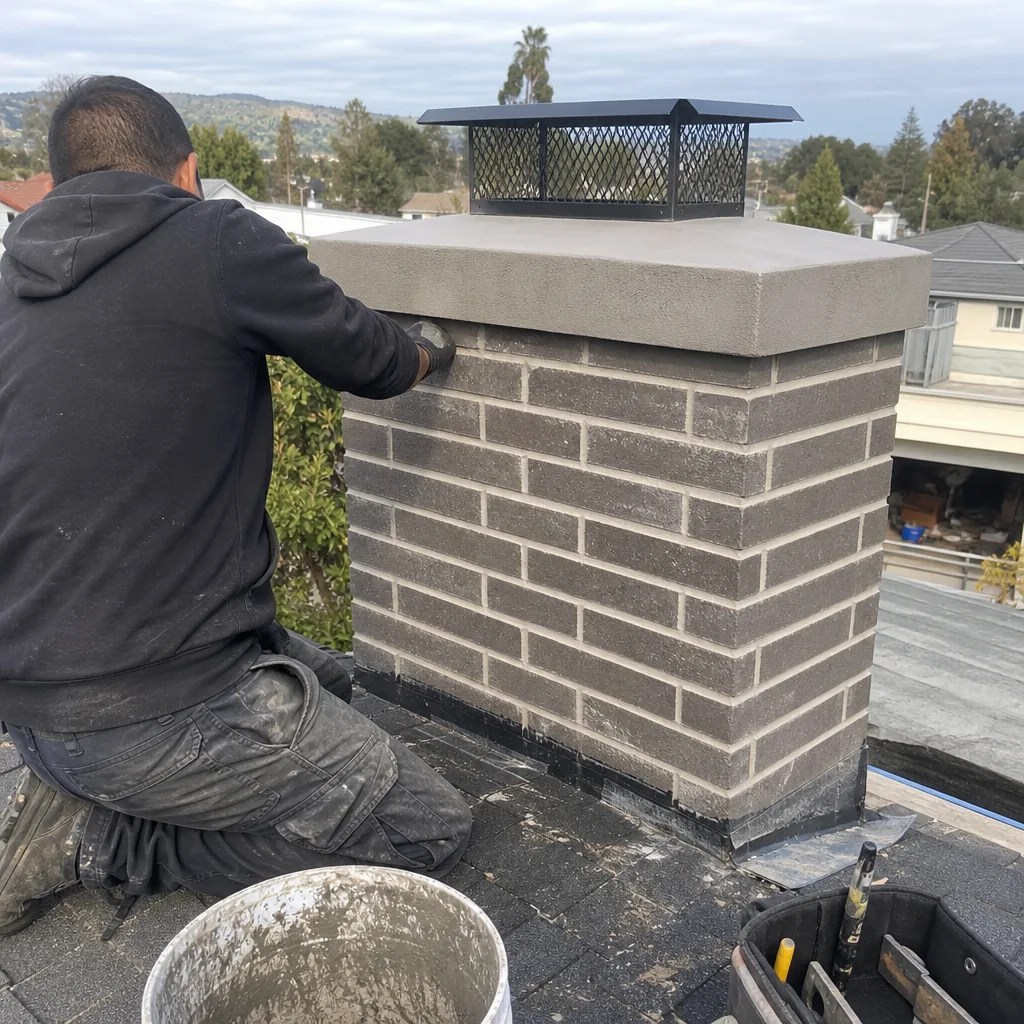
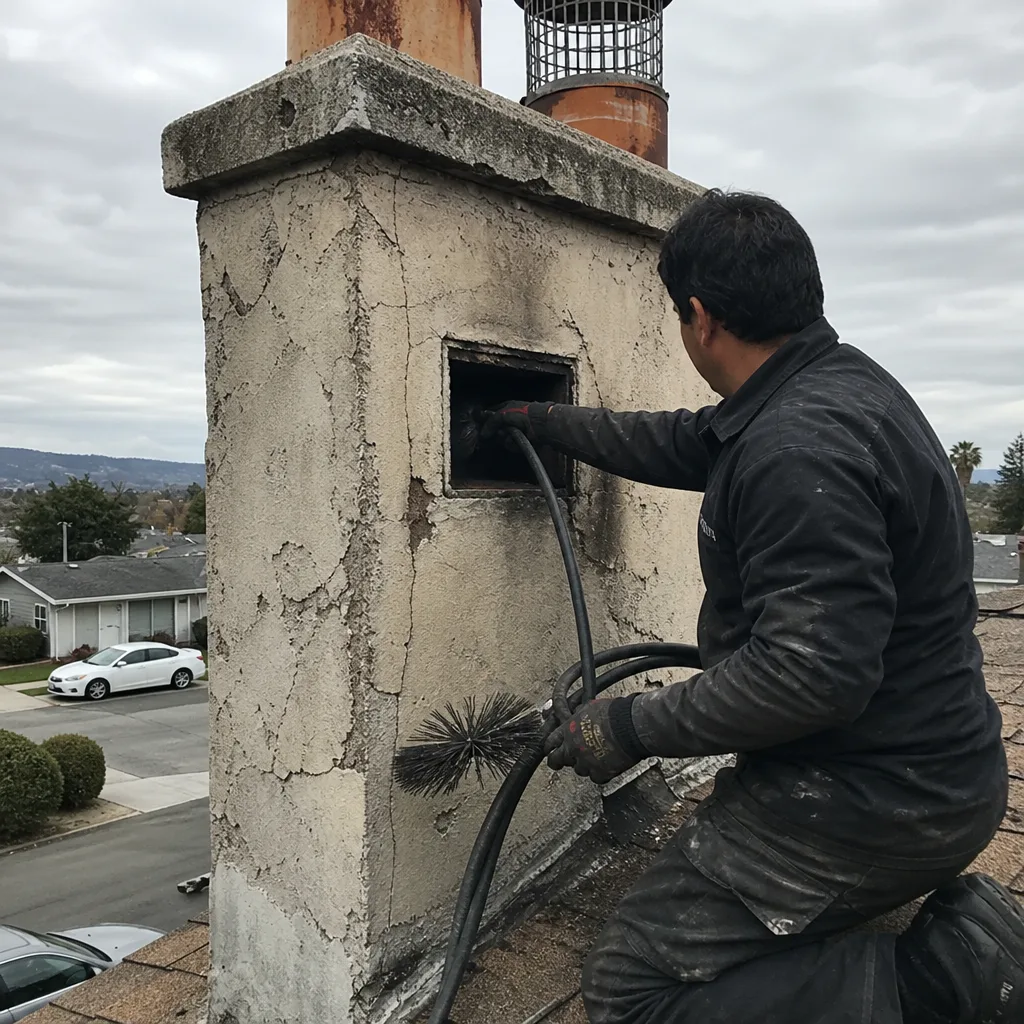
See the difference
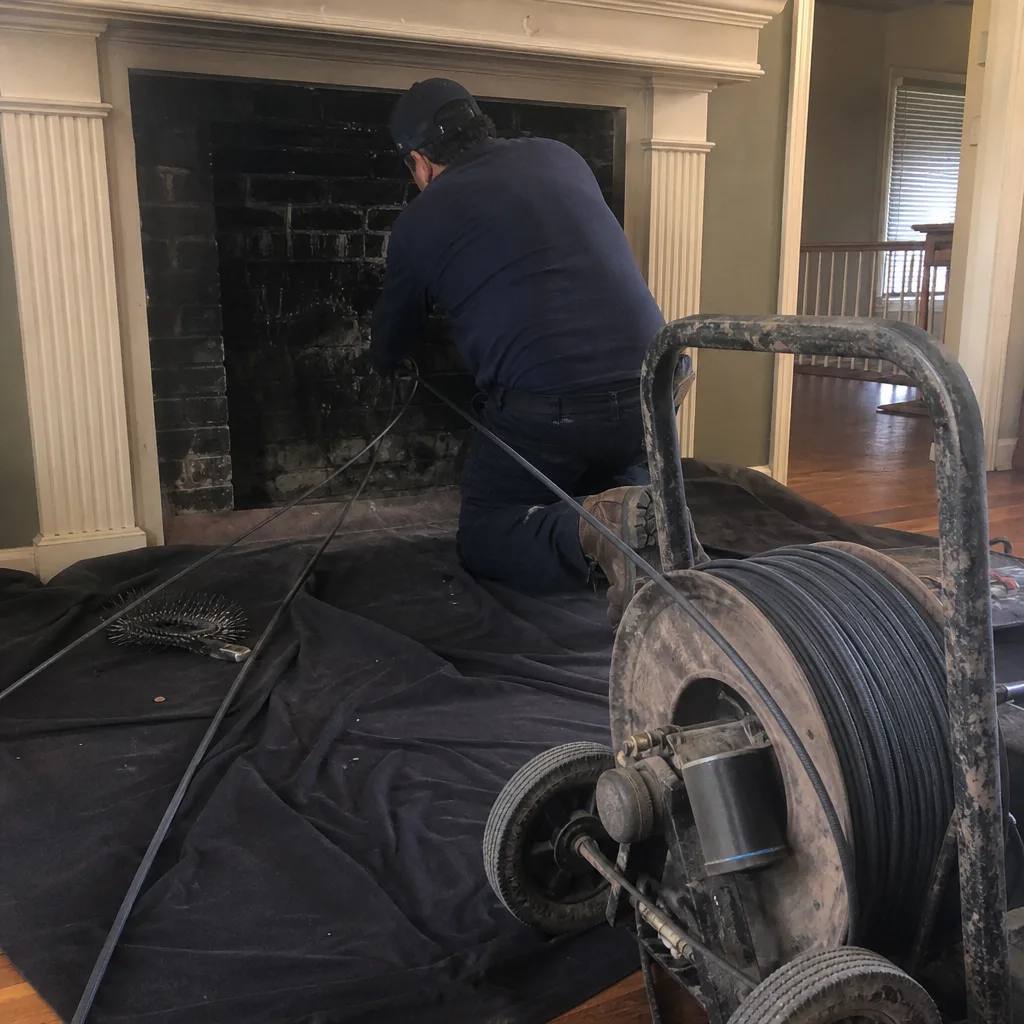 Before
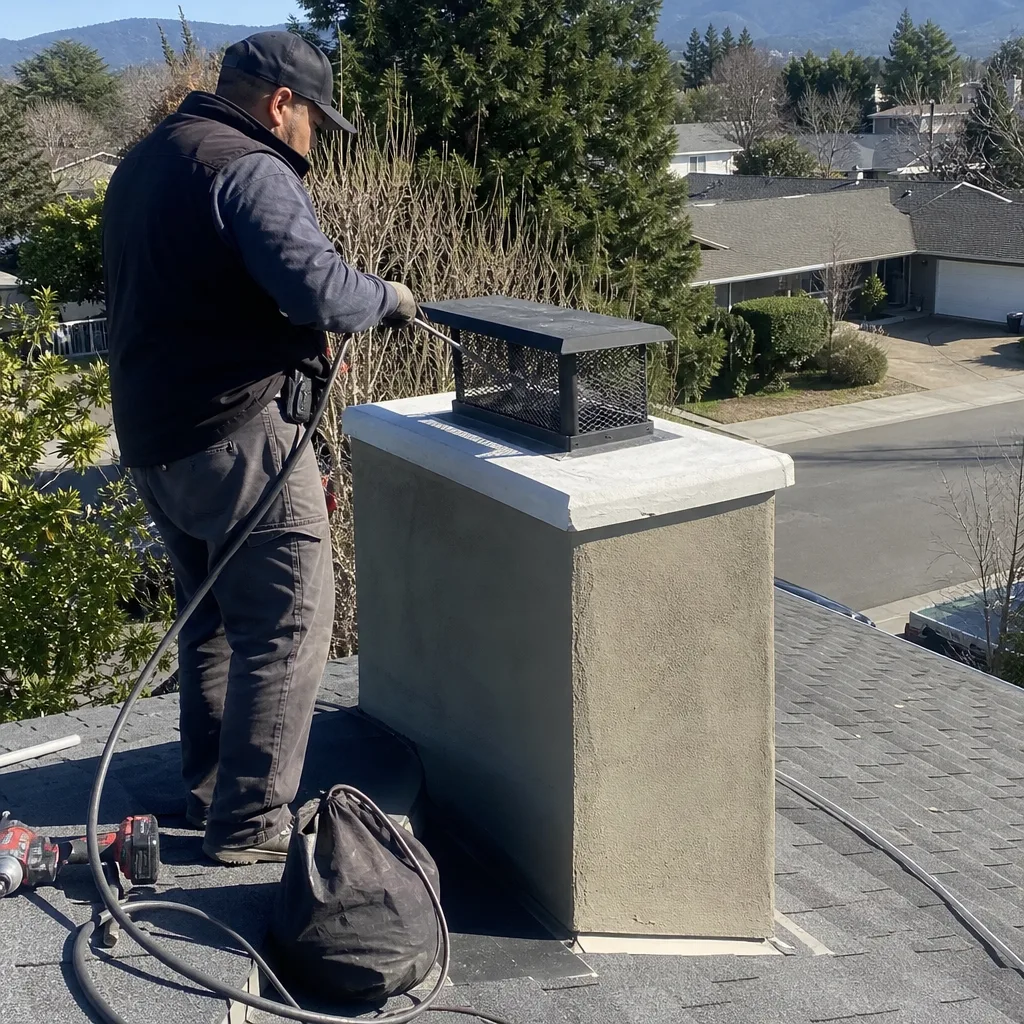 After
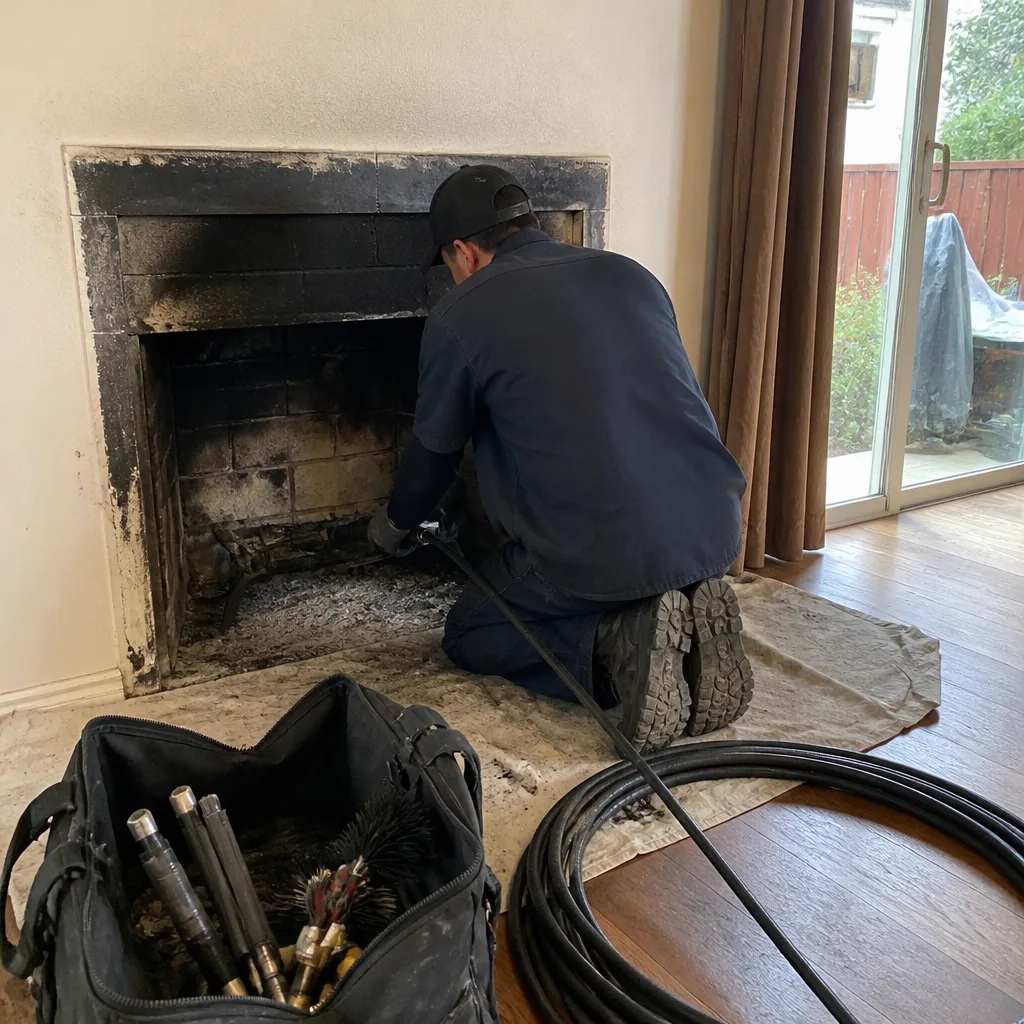 Before
 After
 Before
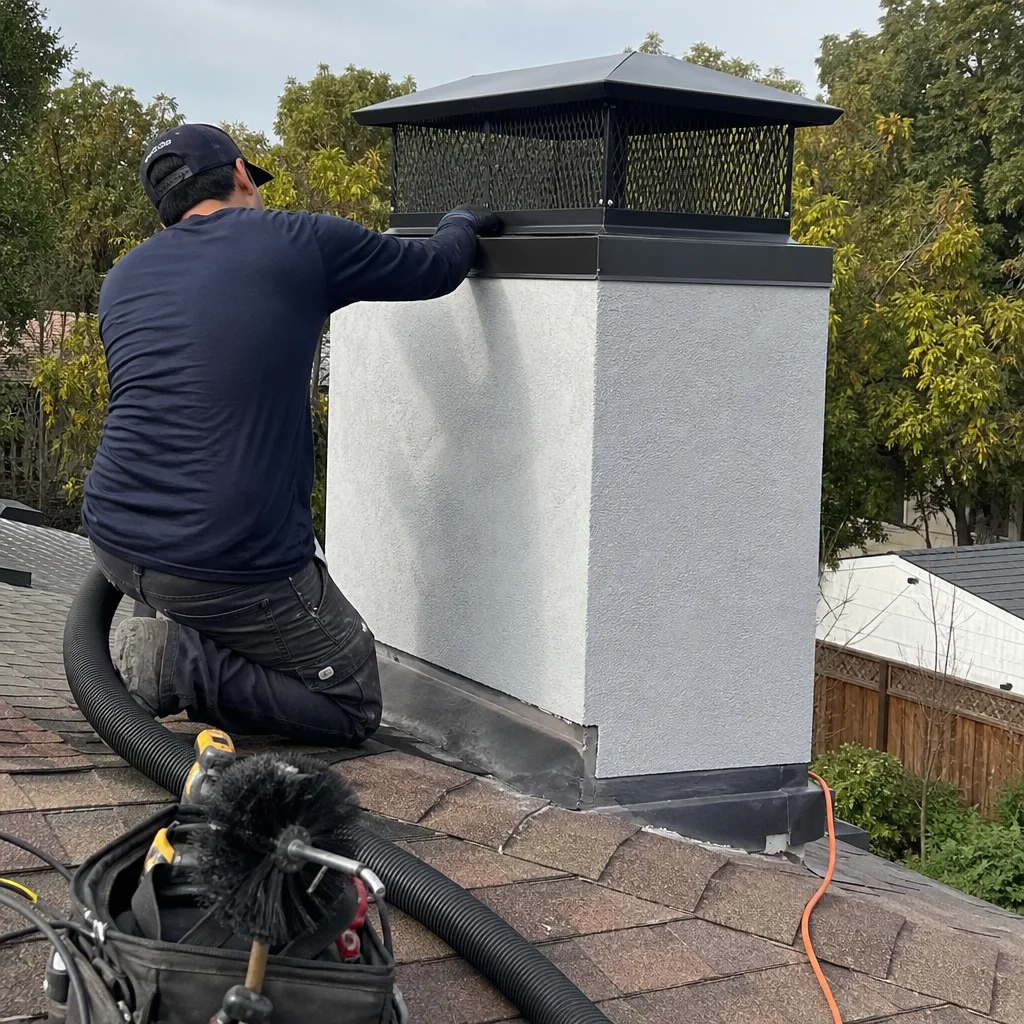 After